January 22, 2026
Efficient industrial pump systems are crucial for operational productivity and cost-effectiveness. This article delves into how professional industrial pump repair services can significantly enhance system performance and extend equipment lifespan. Emphasizing best practices in maintenance and repair is essential to optimizing energy use and ensuring high levels of reliability. The article further explores real-world examples where focused repair strategies lead to significant improvements in efficiency. By examining both practical and theoretical aspects, the goal is to underline the importance of expert intervention in maximizing the performance of industrial pump systems.
The Importance of Industrial Pumps
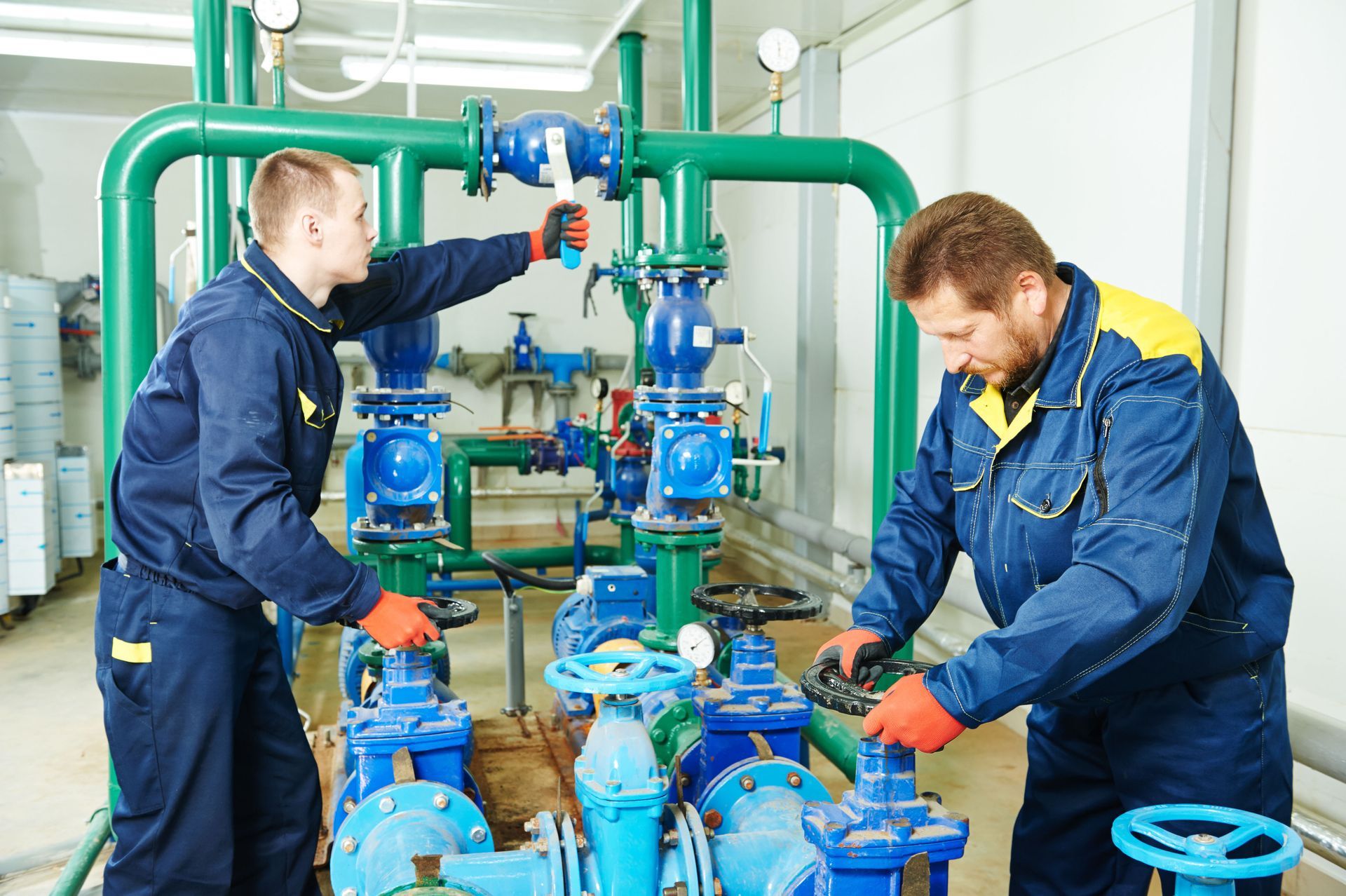
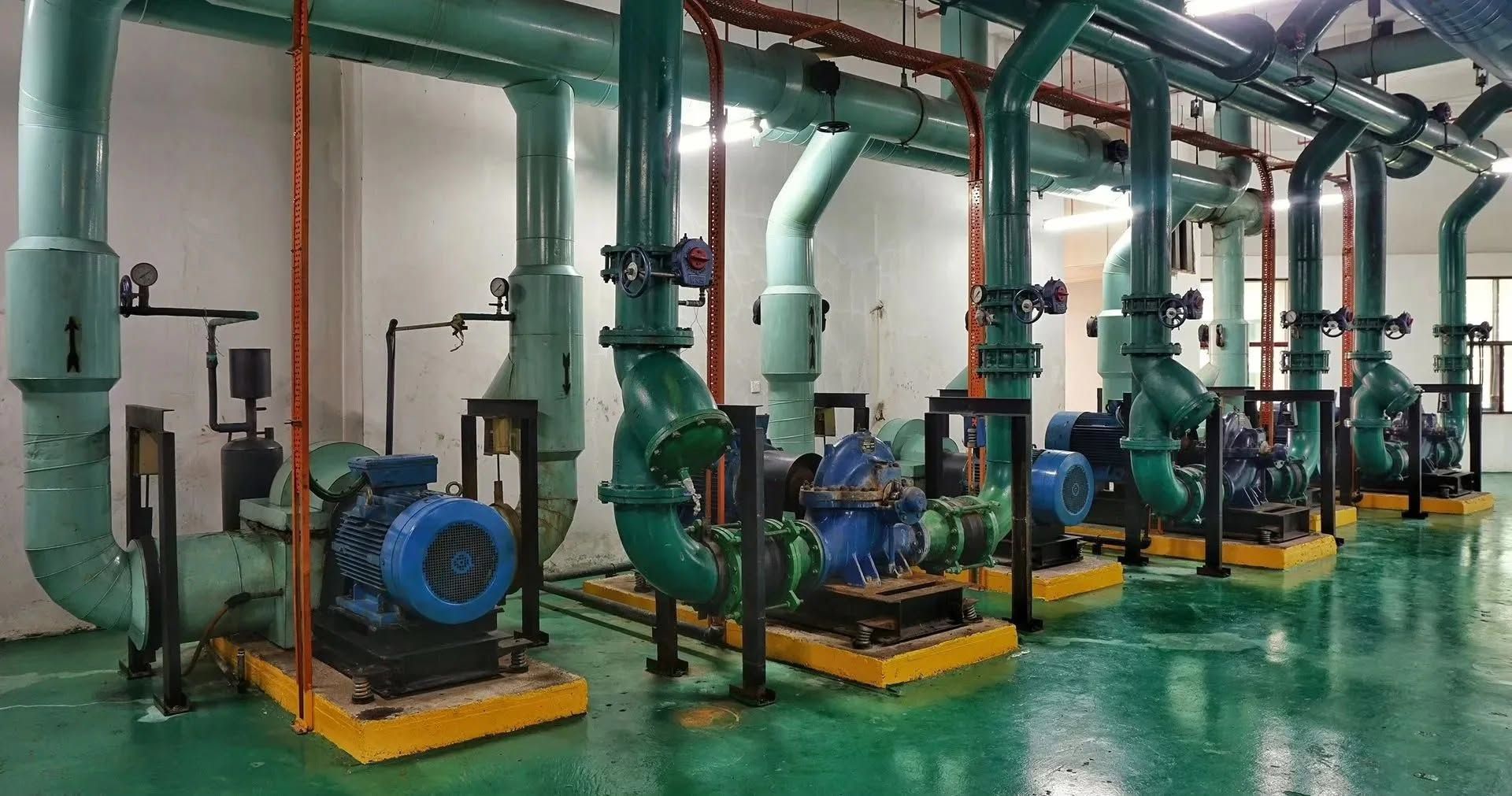
Industrial pumps serve as the backbone of countless systems, driving essential processes such as heating, cooling, and fluid movement. They are integral to operations in sectors such as oil and gas, chemical production, water treatment, and more. A failure in a pump can halt entire processes, emphasizing their pivotal role in maintaining productivity. As industries evolve, the demand for efficient and powerful pumping solutions increases, underscoring the importance of robust industrial pumps. Modern industrial landscapes rely heavily on these systems to ensure continuous and seamless operations, making them indispensable in today's competitive environment.
Industries utilize a variety of pumps, each suited to specific applications, including centrifugal, reciprocating, and rotary pumps. Centrifugal pumps are widely used due to their efficiency in handling high flow rates and their simple design. Reciprocating pumps, known for handling high-pressure applications, include piston and diaphragm variants. Rotary pumps, which include gear, screw, and vane pumps, excel at continuous processes requiring consistent flow rates. Understanding the distinct characteristics and suitability of each pump type is crucial for selecting the most efficient solution for a given industrial application.
Routine maintenance ensures that pumps operate at optimal efficiency, reducing energy usage and prolonging equipment life. Scheduled inspections and maintenance checks help identify potential problems before they affect operations, thus preventing unscheduled downtimes. Maintaining efficiency is crucial, especially since the energy costs associated with pump operation are substantial. By investing in regular maintenance, businesses can realize long-term cost savings and reduced environmental impact. Overall, the strategic maintenance of pump systems acts as a cornerstone for sustainable industrial operations.
The Impact of Professional Repair Services
Professional technicians bring a wealth of expertise and experience, enabling accurate diagnosis of pump issues. According to Data Horizon Research, the global pump repair services market was valued at $7.8 billion in 2023 and is expected to reach $12.5 billion by 2033. Their proficiency in identifying root causes and potential problems stems from years of hands-on experience and specialized training. This allows for targeted interventions that address specific issues without overhauling entire systems unnecessarily. Their understanding of complex industrial systems enhances their ability to recommend effective solutions, reducing both downtime and maintenance costs. Expertise in pump systems not only solves current problems but also helps prevent future issues.
Professional repair services are equipped with advanced tools and technology that are essential for precise repair work. These tools improve the accuracy of repairs and allow for efficient execution, minimizing system downtime. Specialized equipment, such as vibration analyzers and laser alignment devices, provides insights that are crucial for optimizing pump operation. Access to such technology ensures that repairs meet high industry standards and are performed efficiently. This capability is particularly important for complex systems where precision can significantly affect overall performance.
Adhering to stringent quality assurance protocols and safety standards is a hallmark of professional repair services. Certified technicians follow established guidelines to ensure repairs not only resolve the issue at hand but also enhance the overall safety of the operation. Compliance with industry standards ensures that every repair conducted increases the reliability and efficiency of the pump system. By prioritizing safety and quality, professional services build trust and deliver value, which translates into optimized operational performance. Their commitment to quality assurance helps in maintaining high levels of reliability across industrial operations.
Key Components of Pump Repair
Effective pump repair begins with thorough inspection and assessment, providing insight into system conditions and requirements. These procedures involve detailed analysis of performance metrics and visual inspections to identify wear or damage. Using diagnostic tools like thermography and vibration analysis, technicians gather data that helps uncover latent issues. This comprehensive understanding allows for well-informed repair strategies that effectively address all components of system performance. Insightful assessments are, therefore, key to ensuring repairs are impactful and aligned with operational goals.
Professional services employ a variety of repair techniques and advanced technologies to address a range of pump issues. Techniques such as precision machining, welding, and component replacement are commonly used to restore pump functionality. Advanced technologies, including computer-aided design (CAD) and predictive maintenance tools, optimize repair processes and outcomes. By incorporating these techniques, technicians can enhance pump performance and extend the lifespan of critical components. The integration of modern technologies into repair practices ensures the highest standards of efficiency and reliability.
One critical component of pump repair involves deciding between original equipment manufacturer (OEM) parts and third-party alternatives. OEM parts generally guarantee compatibility and performance but may come at a higher cost. Third-party parts might offer cost savings but vary in quality and compatibility. When considering replacement parts, technicians must weigh factors such as durability, cost-effectiveness, and warranty support. Ensuring that replacement parts align with operational requirements is essential to maintaining system integrity and performance.
Assessing Repair vs. Replacement Decisions
The decision between repairing and replacing a pump is influenced by several factors, including cost-effectiveness and system longevity. A cost-benefit analysis, considering both immediate repair expenses and long-term savings, is crucial for informed decision-making. Repairs might be less costly than replacements in the short term, but ongoing issues could incur higher long-term costs if not dealt with effectively. Conversely, strategic replacement may offer better energy efficiency and reduced maintenance needs. Evaluating these options requires a careful examination of financial impacts, system lifespan, and operational efficiency.
Depreciation plays a significant role in determining the economic viability of repairing or replacing pump systems. Understanding how pumps lose value over time and the initial investment they represent, informs repair strategies. Aging equipment might incur escalating repair costs and decreased efficiency, prompting consideration for replacement. Tools like depreciation schedules and life-cycle assessments help gauge the remaining value and utility of the equipment, guiding prudent investment decisions. Balancing the trade-offs between continued use and the benefits of new equipment is crucial for sustainable operations.
System replacement might be necessary to meet evolving environmental and efficiency standards. As regulations tighten to reduce energy consumption and emissions, older pumps may no longer comply without significant upgrades. Evaluating the efficiency of existing systems in line with industry benchmarks ensures organizations meet environmental and operational standards. Investing in modern, high-efficiency pumps can reduce environmental impact while enhancing system performance. Compliance with standards not only avoids regulatory penalties but also supports sustainable practices, enhancing brand reputation and operational sustainability.
Maximizing Efficiency After Repairs
Upon completing repairs, opportunities arise to optimize pump performance beyond restoring functionality. Techniques such as recalibrating system settings, aligning components, and optimizing flow rates can yield immediate efficiency gains. By leveraging data collected during repair, technicians can fine-tune system parameters for optimal performance. Continuing to monitor these adjustments ensures sustained improvements and prevents regression to pre-repair states of inefficiency. Post-repair optimization underscores the importance of diligent maintenance and strategic enhancement in achieving operational excellence.
System upgrades present an effective path to maximizing efficiency after substantial repairs. Enhancements like installing variable frequency drives (VFDs) or upgrading impellers significantly improve a system's adaptability and effectiveness. These upgrades allow businesses to maintain a competitive advantage and align with modern efficiency standards. By integrating these technologies, systems often achieve better energy efficiency, reducing operational costs and environmental impact. Adopting a forward-thinking approach to upgrades ensures systems remain resilient, efficient, and aligned with industry advancements.
Implementing continuous monitoring strategies ensures sustained efficiency post-repair and helps mitigate potential system issues. Technologies like IoT sensors facilitate real-time tracking of pump conditions and performance, flagging anomalies for further analysis. Continuous monitoring systems provide critical insights, enabling timely interventions that prevent unplanned outages. By proactively addressing emerging challenges, businesses maintain high levels of efficiency and reduce unexpected downtimes significantly. A strategic approach to monitoring harmonizes with expanded maintenance efforts, fostering long-term operational success.
Maximizing system efficiency requires a proactive approach to
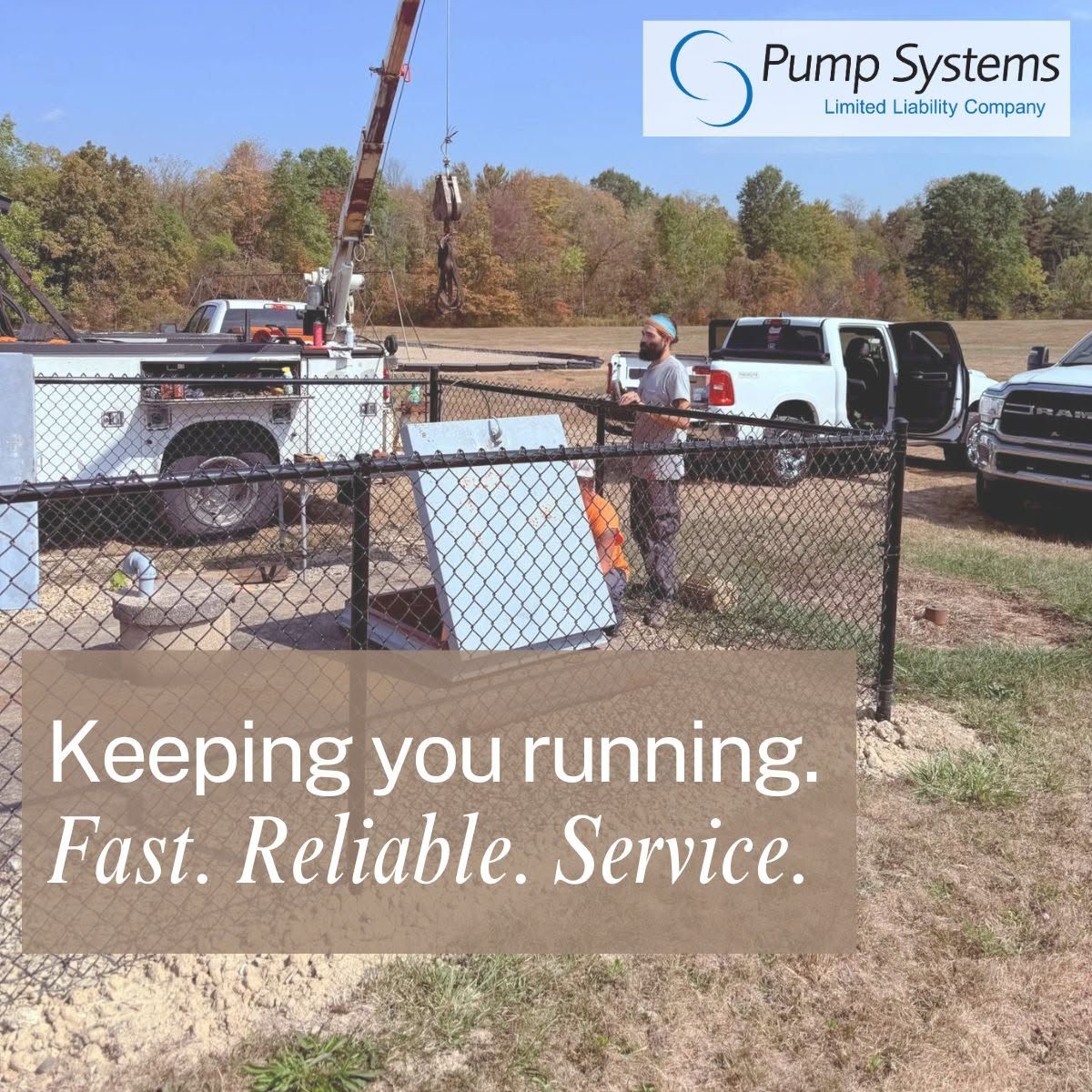
industrial pump repair and maintenance. Professional services not only solve immediate problems but also enhance long-term operational resilience and profitability. Through expert intervention and innovation, industrial pumps are empowered to deliver optimal performance and efficiency, supporting sustainable operations. Regular maintenance, continuous monitoring, and strategic upgrades are pivotal to ensuring pumps meet dynamic operational demands. This article underscores the crucial role of professional repair efforts in achieving enhanced productivity, cost-efficiency, and competitive advantage. Contact Pump Systems LLC today for more information.