April 29, 2026
Municipal wastewater systems play a vital role in safeguarding communities by ensuring that used water is collected, treated, and safely returned to the environment. This process is essential for preventing contamination of drinking water sources, reducing the spread of disease, and maintaining ecological balance in urban and rural areas alike. Behind this complex system is a network of infrastructure, processes, and technology working continuously to protect public health. A critical part of this system includes municipal water wastewater equipment, which supports the collection, transport, and treatment of wastewater in a safe and efficient manner. As populations grow and urban development expands, the importance of reliable wastewater management becomes even more significant. Without proper systems in place, harmful contaminants could enter natural waterways, creating serious environmental and health risks. Understanding how these systems operate helps highlight their value in everyday life, even though they often remain unseen by the public.
Operating Municipal Wastewater Management Systems Effectively
Municipal wastewater management systems are engineered to collect, transport, and treat wastewater generated from residential, commercial, and industrial sources. These systems rely on an interconnected network of underground pipelines, pumping stations, and treatment facilities that work together continuously to maintain sanitation standards.
At the center of this operation is municipal water wastewater equipment, which regulates flow, supports transfer processes, and helps ensure wastewater moves efficiently through each stage of the system. This equipment is essential for maintaining balance within the network and preventing disruptions that could affect surrounding communities.
Once wastewater enters the system, it is guided through controlled pathways where solids are separated, contaminants are reduced, and water quality is progressively improved. Treatment facilities operate around the clock, reflecting the constant demand for safe water management in modern society.
Municipal wastewater systems also integrate stormwater handling functions, allowing them to manage excess water during heavy rainfall events. This reduces flooding risks and limits contamination runoff into natural waterways, reinforcing their role in environmental protection.
Constructing Infrastructure For Public Health Protection
Municipal wastewater infrastructure represents one of the most extensive and essential public utility networks in modern society. It includes pipelines, pumping stations, treatment plants, and monitoring systems that collectively ensure wastewater is safely managed from source to discharge.
According to the Center for Sustainable Systems, over 17,000 Publicly Owned Treatment Works (POTWs) manage wastewater, with 1.9 million miles of piping serving over 270 million people.
This vast infrastructure highlights the scale at which wastewater must be managed to protect public health. Within this system, municipal water wastewater equipment plays a crucial role in ensuring consistent flow, preventing system failures, and maintaining operational stability across long distances and varying elevations.
Proper infrastructure design helps prevent contamination between wastewater and potable water systems. It also reduces the likelihood of environmental exposure to harmful pathogens, which is critical for maintaining community health standards.
Ongoing maintenance and infrastructure upgrades are essential for ensuring long term reliability. As systems age and demand increases, continuous improvements help preserve performance and reduce the risk of service interruptions or environmental hazards.
Processing Wastewater And Ensuring Environmental Safety
Wastewater treatment is a structured process designed to remove contaminants and transform used water into a safe, environmentally compliant discharge. This process typically involves multiple stages that progressively filter, treat, and purify water before it is released back into natural systems.
Municipal water wastewater equipment supports these stages by enabling efficient filtration, aeration, sediment separation, and chemical treatment processes. Without this equipment, treatment facilities would struggle to maintain consistent water quality standards or manage fluctuating system demands.
Biological processes use natural microorganisms to break down organic matter, while chemical treatments target harmful substances that cannot be removed through physical filtration alone. These combined methods ensure that wastewater is treated thoroughly and safely.
Environmental safeguards are integrated throughout the treatment process to ensure compliance with regulatory standards. Monitoring systems continuously assess water quality and system performance, helping operators maintain safe discharge conditions and protect surrounding ecosystems.
By ensuring that wastewater is properly treated before release, municipal systems help preserve aquatic environments, protect drinking water sources, and reduce long term ecological damage.
Utilizing Municipal Water Wastewater Equipment For System Performance
Efficient wastewater management depends heavily on the performance of municipal water wastewater equipment, which supports nearly every stage of system operation. This equipment ensures that wastewater is transported, processed, and monitored effectively from beginning to end.
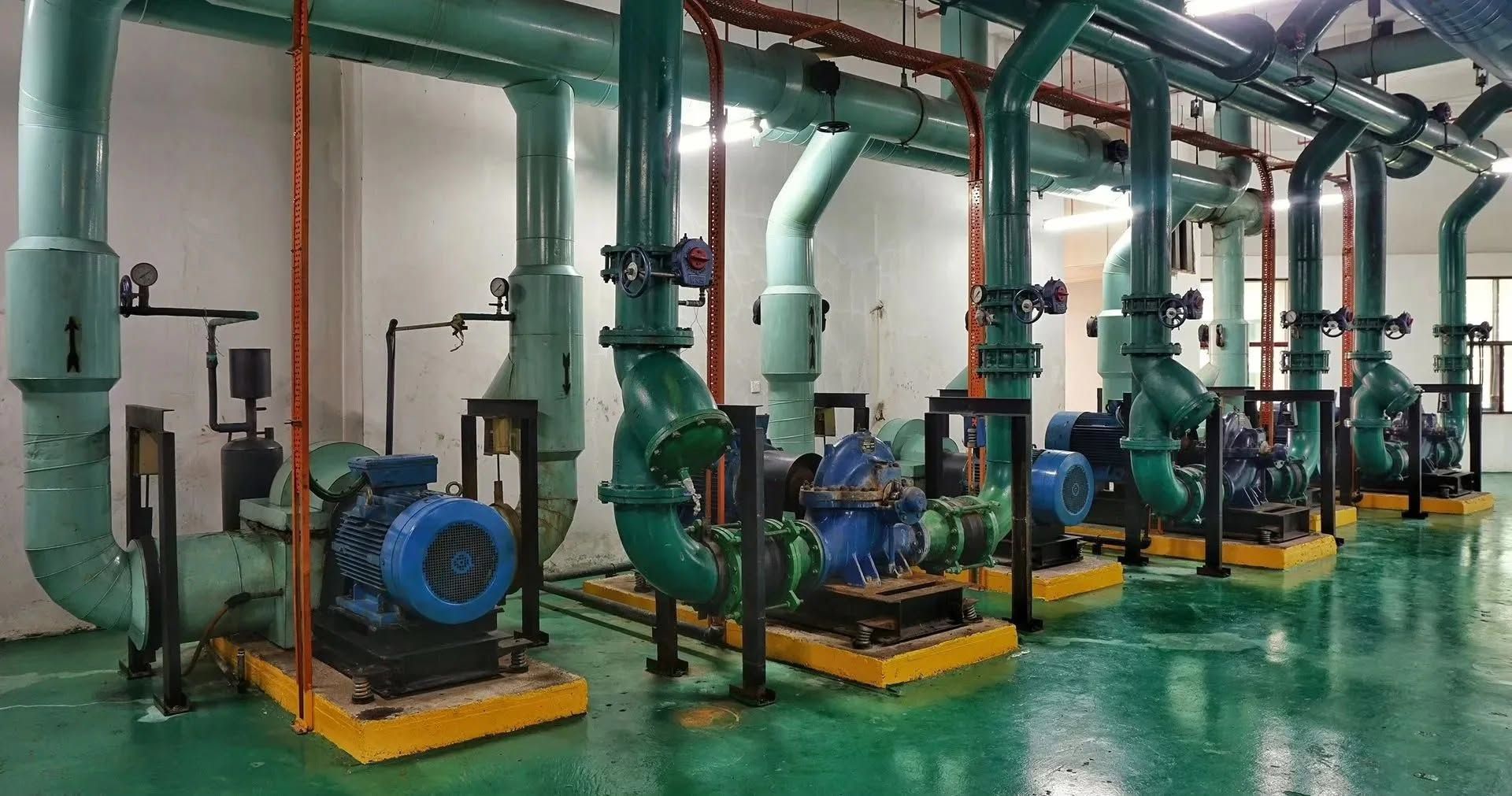
Pumping systems rely on this equipment to move wastewater through pipelines, especially across varying terrain and elevation levels. Without it, maintaining consistent flow would be extremely difficult, potentially leading to system backups or overflows.
Within treatment facilities, municipal water wastewater equipment supports critical processes such as sedimentation control, aeration systems, and sludge management. Each component must function precisely to ensure that contaminants are effectively removed from wastewater streams.
Monitoring technologies also depend on this equipment to track system performance, including flow behavior and water quality indicators. This real time data allows operators to make adjustments quickly, improving efficiency and preventing potential system disruptions.
Managing Operational Challenges And System Maintenance Needs
Municipal wastewater systems face ongoing operational challenges that require continuous management and technical oversight. These challenges often stem from aging infrastructure, environmental pressures, and increasing service demands.
One of the most important aspects of system maintenance involves municipal water wastewater equipment. Over time, this equipment can experience wear due to constant use and exposure to corrosive materials within wastewater streams. Regular inspection and servicing are essential to maintain functionality and prevent unexpected breakdowns.
Environmental conditions such as heavy rainfall or flooding can place additional strain on wastewater systems. During these events, systems must manage higher volumes while still maintaining treatment efficiency and environmental compliance. Properly functioning equipment plays a key role in handling these fluctuations effectively.
Regulatory standards also evolve over time, requiring municipalities to update processes and technologies to remain compliant. This includes upgrading equipment, improving treatment methods, and enhancing monitoring capabilities to meet modern environmental expectations.
Advancing Wastewater Systems Through Innovation And Technology
Innovation continues to transform how wastewater systems operate, making them more efficient, sustainable, and responsive to changing demands. Modern advancements focus on improving treatment accuracy, reducing energy consumption, and enhancing system automation.
New generations of municipal water and wastewater equipment incorporate smart technologies that allow for real time monitoring and automated system adjustments. These improvements help reduce human error, increase operational efficiency, and improve overall system reliability.
Sustainability is also becoming a central focus in wastewater management. Emerging treatment methods aim to recover usable resources, reduce waste output, and minimize environmental impact while maintaining high safety standards.
As urban populations continue to expand, wastewater systems must evolve to meet increasing demand. Continued investment in infrastructure and technology will be essential for maintaining safe, efficient, and resilient wastewater management systems in the future.
Concluding Municipal Wastewater Management Importance
Municipal wastewater management is essential for protecting public health, preserving environmental quality, and supporting modern urban infrastructure. These systems ensure that wastewater is safely collected, treated, and returned to the environment through carefully controlled processes and advanced infrastructure networks.
From underground pipelines to advanced treatment facilities, every component plays a critical role in maintaining safe water standards. Municipal water wastewater equipment remains a foundational element in ensuring system efficiency, reliability, and long term performance.
As technology advances and populations grow, wastewater systems will continue to evolve, becoming more intelligent, efficient, and sustainable in their operation.
At Pump Systems LLC, we are committed to delivering dependable solutions that support the performance, efficiency, and long term reliability of municipal wastewater systems through high quality equipment and industry expertise.