November 4, 2026
The intricate world of fluid dynamics plays a pivotal role in countless operations across a wide array of sectors, driving the essential processes that power modern civilization. At the heart of these complex systems lies the equipment responsible for moving liquids efficiently and reliably under constantly varying conditions and extreme pressures. A thorough understanding of how these mechanisms function is essential for anyone responsible for facility management or operational oversight. When equipment operates at peak performance, facilities experience smoother workflows and minimized downtime. According to the Department of Energy, a centrifugal pump can operate at an efficiency of 90%. Achieving and sustaining this level of performance requires diligent oversight and a deep appreciation for the underlying engineering principles. Over time, continuous operation in demanding environments will inevitably take a toll on moving parts. Addressing wear and tear promptly is paramount to preventing catastrophic failures. This is where professional industrial pump repair becomes an invaluable asset for maintaining continuous operations. By delving into the foundational principles of fluid movement, facility managers can make informed decisions about upkeep and long-term mechanical optimization.
Understanding the Core Mechanisms of Fluid Transfer
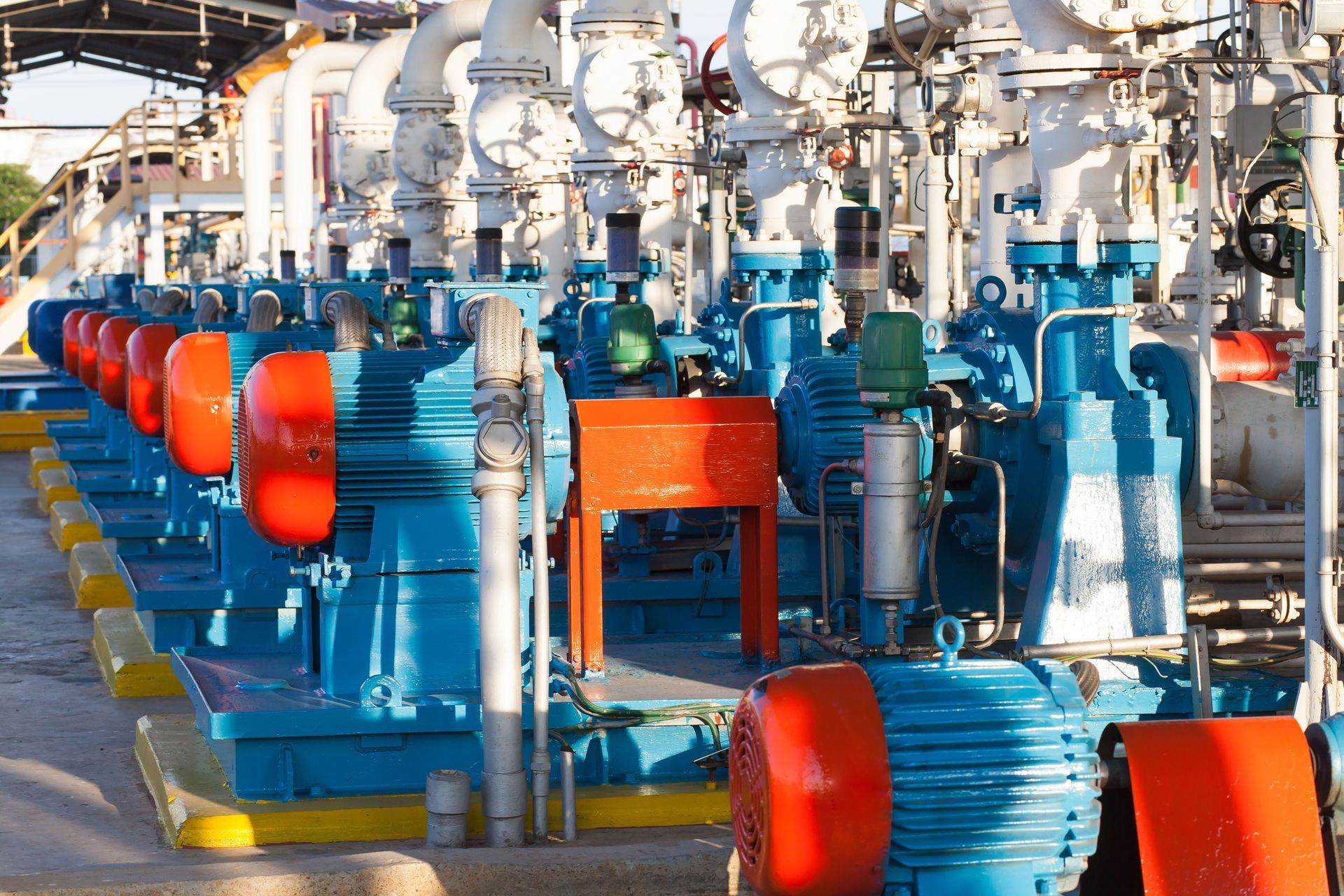
Grasping the basic science behind fluid movement is the initial step in mastering system optimization. These complex mechanical devices convert rotational kinetic energy into hydrodynamic energy, forcing liquid through a network of pipes and valves. The impeller acts as the primary driving force, spinning rapidly to create a pressure differential that draws fluid inward and pushes it outward. Every component, from the heavy-duty casing to the intricate mechanical seals, must work in perfect harmony to contain the immense pressure and direct the flow accurately toward its intended destination without any unnecessary loss of kinetic force. Variations in fluid viscosity and temperature demand specific design adaptations to prevent friction and energy loss. When an operator understands these variables, they can better anticipate how the machinery will respond to changing operational demands. Even slight misalignments or imbalances in the rotational components can cause severe disruptions to the flow rate. Monitoring these subtle changes is a critical aspect of predictive oversight. If the underlying mechanics are compromised, the entire fluid transfer process suffers, leading to increased energy consumption and diminished output. Seeking timely industrial pump repair is essential when these core mechanisms begin to falter, ensuring that the system returns to its optimal hydrodynamic state.
Recognizing Early Signs of System Wear
Vigilance is key when managing heavy-duty fluid transfer equipment. Operators must remain alert to the subtle indicators that suggest internal components are beginning to degrade over time. Unusual auditory cues, such as grinding or whining noises, often point to failing bearings or cavitation issues within the outer casing. Excessive vibration is another glaring warning sign that rotational elements are out of balance or suffering from severe friction. When seals begin to degrade, operators might notice unexpected fluid leaks pooling around the base of the equipment. These leaks not only create hazardous work environments but also indicate a loss of internal pressure and efficiency. Additionally, unexplained spikes in energy consumption frequently correlate with internal wear, as the motor must work significantly harder and draw substantially more power to overcome the increasing mechanical resistance caused by failing internal geometries. Ignoring these warning signs can escalate minor component degradation into a complete system failure. Facility managers should train their staff to document and report these anomalies immediately. Engaging in specialized industrial pump repair at the earliest sign of trouble significantly reduces the risk of prolonged operational halts and extensive collateral damage to associated piping networks.
Implementing Routine Maintenance Strategies
A proactive approach to equipment care drastically extends the lifespan of complex fluid transfer mechanisms. Establishing a rigorous schedule for inspections and lubrication prevents friction from destroying vital moving parts. Technicians must regularly examine alignment and secure all mounting bolts to prevent destructive vibrations from shaking the system apart. Replacing consumable components like seals and gaskets before they fail entirely is a cornerstone of effective preventative care. Furthermore, keeping the surrounding environment meticulously clean prevents abrasive dust and environmental debris from infiltrating the casing and causing rapid, destructive wear on the delicate leading edges of the spinning impeller. Documentation plays a massive role in this proactive strategy, allowing managers to track degradation trends and schedule downtime strategically. By analyzing historical performance data, maintenance teams can predict when specific components will reach the end of their usable life. Consistency in these routines ensures that minor adjustments are made long before they evolve into major mechanical crises. When internal components degrade beyond the scope of basic preventative care, scheduling comprehensive industrial pump repair becomes the logical step to restore the equipment to factory specifications.
Exploring Advanced Diagnostic Techniques
Modern technology offers unprecedented insights into the internal health of fluid transfer systems without requiring invasive dismantling. Thermal imaging cameras can detect overheating bearings and electrical faults by visualizing temperature anomalies on the equipment's exterior housing. Vibration analysis tools measure the exact frequencies emitted by the rotating shaft, pinpointing imbalances, looseness, or bearing degradation with incredible accuracy. Ultrasonic leak detectors allow technicians to hear the high-frequency sounds of fluid escaping through compromised seals or valves, even in noisy industrial environments. Integrating these advanced diagnostic tools into regular assessments transforms a reactive maintenance program into a highly predictive one. Operators no longer have to guess when a component might fail; the data provides a clear timeline for necessary interventions. This level of insight allows facilities to order replacement parts well in advance and schedule downtime during low-production periods. When the data reveals significant internal faults that cannot be resolved through simple adjustments, targeted industrial pump repair ensures that the precise root cause of the anomaly is addressed comprehensively.
Maximizing Longevity Through Professional Servicing
While in-house teams can handle routine upkeep, restoring heavily worn equipment demands specialized expertise and precision tools. Professional technicians possess a deep understanding of fluid dynamics and metallurgical properties, allowing them to diagnose complex systemic issues accurately. They utilize specialized machinery to rebalance impellers, machine worn shafts, and restore casing tolerances to exacting standards. Attempting to execute these complex restorative tasks without the proper training often leads to further damage and voided warranties. Furthermore, professional servicing frequently includes upgrading outdated components with modern, more resilient materials, enhancing the overall efficiency and durability of the system. Investing in expert intervention ultimately yields a higher return by maximizing the operational lifespan of the capital equipment. This collaborative approach between facility operators and external specialists creates a robust defense against unexpected mechanical failures. Relying on expert industrial pump repair guarantees that every restoration meets stringent safety and performance benchmarks, safeguarding the facility's productivity for the foreseeable future.
Maintaining the delicate balance of fluid dynamics requires a commitment to ongoing vigilance and technical excellence. The mechanisms responsible for moving liquids are the lifeblood of many industrial operations, demanding absolute respect and proactive care. Through a combination of routine maintenance, advanced diagnostics, and a deep understanding of core operating principles, facility managers can optimize their fluid transfer systems for sustained success. Recognizing the warning signs of mechanical wear early prevents minor issues from cascading into expensive operational disasters. Partnering with seasoned experts ensures that even the most complex mechanical challenges are resolved with precision and care. When the time comes to restore your equipment to its optimal state, professional industrial pump repair provides the reliability and expertise needed to keep your operations running smoothly without unnecessary interruptions. The right technical support is vital to maximize your equipment's longevity and performance. Call Pump Systems LLC today to learn more.