September 29, 2026
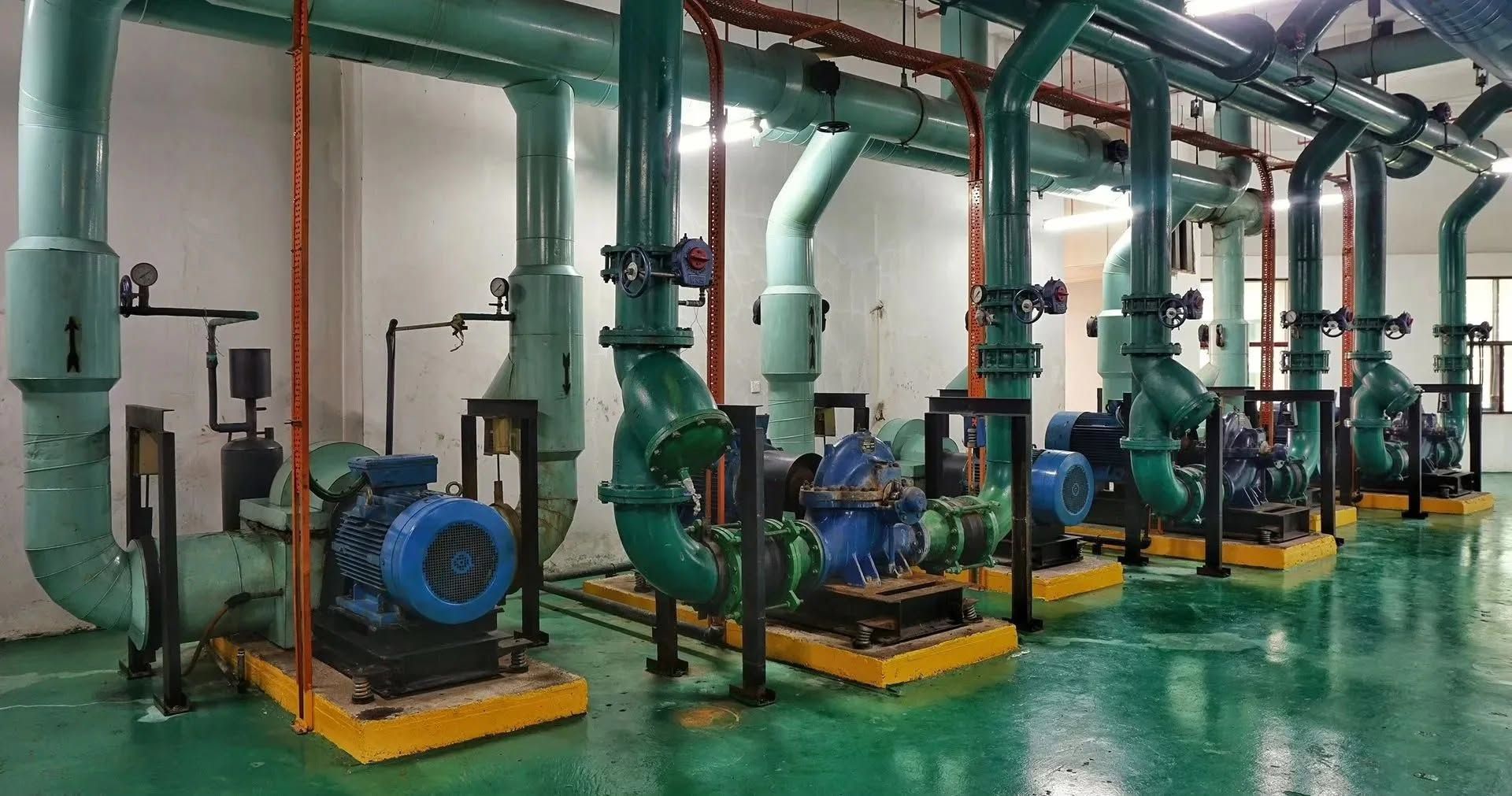
Municipal water and wastewater systems depend on reliable pumping equipment to deliver clean water, maintain distribution pressure, and move wastewater through treatment facilities. Because these systems often operate for extended periods, even small improvements in equipment efficiency can contribute to meaningful energy savings over time. A centrifugal pump plays an important role in many municipal operations, moving fluids through pipelines by converting rotational energy into fluid motion. However, inefficient operation, improper sizing, worn components, and inadequate maintenance can increase electricity consumption and operating costs. Municipal operators can improve performance by evaluating system requirements, monitoring equipment conditions, and addressing inefficiencies before they become expensive problems. Pump Systems LLC helps customers understand pumping equipment needs and the maintenance practices that support dependable system operation.
Selecting Equipment That Matches System Requirements
Choosing appropriately sized equipment is one of the first steps toward improving energy efficiency in municipal pumping applications. A pump must deliver the required flow rate and pressure while operating within the demands of the distribution or treatment system. Equipment that is too large may consume unnecessary electricity, while an undersized unit may struggle to meet peak demand. Engineers should evaluate factors such as pipeline length, elevation changes, friction losses, fluid characteristics, and expected operating schedules. These measurements help establish the system's required operating point and guide equipment selection. Reviewing the pump performance curve can also show whether a unit can operate efficiently under anticipated conditions. A centrifugal pump generally performs most effectively near its best efficiency point, although actual results depend on the complete system design. Careful equipment selection helps municipalities avoid unnecessary energy consumption while maintaining the performance needed for reliable water services.
Optimizing Operating Conditions and Flow Requirements
Municipal demand can fluctuate throughout the day, creating opportunities to adjust pumping operations according to actual system needs. Water consumption often changes between periods of high demand and quieter overnight hours, while wastewater flows may vary with weather and community activity. Running equipment at a constant maximum output when demand is lower can waste energy and increase wear on components. Operators can examine historical flow measurements and pressure readings to identify opportunities for more appropriate operating schedules. Where the system design permits, variable frequency drives can adjust motor speed to respond to changing flow requirements. Because pump speed, pressure, and flow interact, adjustments should be evaluated against manufacturer guidance and system operating limits. Operators must also account for minimum flow requirements and other conditions that protect equipment from damage. Matching output to demand can help a centrifugal pump deliver the necessary service without using more energy than the application requires.
Reducing Energy Losses Throughout the Pumping System
Energy efficiency depends on more than the pump itself because the surrounding piping network influences how much power is required to move water. Undersized pipes, excessive bends, partially closed valves, and obstructed strainers can increase resistance and force equipment to work harder. Leaks can also waste treated water and energy while making it more difficult to maintain adequate pressure. Municipal operators should periodically inspect pipelines, valves, fittings, and related components to identify avoidable restrictions or losses. Where appropriate, correcting piping layouts or replacing unsuitable components can reduce friction and improve overall hydraulic performance. Engineers should evaluate these changes carefully because modifications may affect pressure distribution, flow balance, and system reliability. Pressure sensors and flow meters can help identify abnormal operating conditions that indicate developing inefficiencies. By addressing system-wide losses, municipalities can improve pumping performance without assuming that replacing the pump is always necessary.
Maintaining Equipment to Prevent Unexpected Downtime
Routine maintenance helps preserve pumping efficiency by identifying wear and developing faults before they cause major operational disruptions. Bearings, seals, impellers, couplings, and motor components can deteriorate over time, particularly when equipment operates under demanding conditions. Worn parts may increase vibration, cause leakage, reduce hydraulic performance, or require additional energy to deliver the same output. Scheduled inspections allow maintenance teams to examine lubrication, alignment, operating temperatures, vibration levels, and visible signs of damage. According to MaintainX, organizations using preventive and predictive maintenance report 52.7% less unplanned downtime than businesses that depend on reactive maintenance. This finding illustrates the potential value of identifying equipment problems before they interrupt operations. Maintenance records can also help operators recognize recurring faults and determine whether repairs, operating changes, or equipment upgrades are needed. A centrifugal pump that receives appropriate inspection and servicing is better positioned to maintain consistent performance throughout its service life.
Monitoring Performance Through Operational Data
Performance monitoring gives municipal operators a clearer understanding of how pumping equipment behaves under actual working conditions. Measurements such as flow rate, discharge pressure, motor current, vibration, and energy consumption can reveal changes that might otherwise go unnoticed. Comparing these readings with established operating baselines helps identify gradual performance losses or unusual equipment behavior. For example, rising electricity use without a corresponding increase in delivered flow may indicate hydraulic inefficiency, mechanical wear, or changing system resistance. Operators should investigate such changes rather than automatically assuming that the pump itself is responsible. Digital monitoring systems can also provide alerts when readings move beyond selected operating limits. These tools are particularly useful in facilities where multiple pumps operate across different schedules and demand conditions. Consistent data collection helps municipalities make maintenance and operating decisions based on measurable performance rather than relying exclusively on equipment failure or visual inspection.
Improving Motor Efficiency and Pump Controls
The electric motor and control system can significantly influence the overall energy consumption of municipal pumping equipment. Older motors may operate less efficiently than modern alternatives, although the financial benefits of replacement depend on operating hours, load patterns, and installation costs. Municipalities should assess motor efficiency, electrical conditions, control settings, and compatibility with the pump before deciding whether an upgrade is worthwhile. Variable frequency drives may reduce energy consumption in suitable applications by adjusting motor speed to match demand instead of relying on throttling alone. However, these drives must be selected and configured correctly because inappropriate settings can create operational problems or reduce expected savings. Engineers should also consider harmonic distortion, motor cooling, minimum operating speeds, and the potential effects of speed changes on the hydraulic system. Combining suitable motors with effective controls can help a centrifugal pump respond more efficiently to changing municipal requirements. A complete system assessment provides a more reliable basis for investment decisions than evaluating motor specifications in isolation.
Managing Pump Wear and Hydraulic Performance
Hydraulic performance can decline as internal components become worn, damaged, or obstructed by debris and deposits. Impeller erosion, corrosion, and changes in internal clearances may reduce the amount of fluid delivered for a given energy input. Cavitation is another concern because vapor bubbles can form and collapse when local pressure conditions are unsuitable, potentially damaging internal surfaces. Symptoms may include unusual noise, vibration, reduced flow, or declining performance, although proper diagnosis requires further inspection. Operators should verify suction conditions, fluid levels, inlet restrictions, and system pressure before deciding on corrective action. Regular performance comparisons can help determine whether cleaning, component replacement, impeller adjustment, or another repair is appropriate. Maintenance teams should follow manufacturer specifications to ensure that repairs preserve the intended operating characteristics. Keeping hydraulic components in suitable condition helps municipalities maintain efficient pumping operations and reduce the likelihood of avoidable equipment damage.
Improving municipal pumping efficiency involves equipment selection, hydraulic design, electrical controls, monitoring, and consistent maintenance. Addressing only one part of the system may leave other sources of energy waste unresolved. Municipal operators should consider current demand, existing equipment condition, maintenance history, and future service requirements when evaluating possible improvements. Professional guidance can help clarify whether the best approach involves adjusting operating conditions, repairing components, upgrading controls, or replacing equipment. Pump Systems LLC can help customers explore pumping system requirements and identify considerations relevant to reliable operation. Contact us to discuss your municipal pumping needs and learn how appropriate equipment solutions and maintenance planning can support energy efficiency and dependable performance.