March 3, 2026
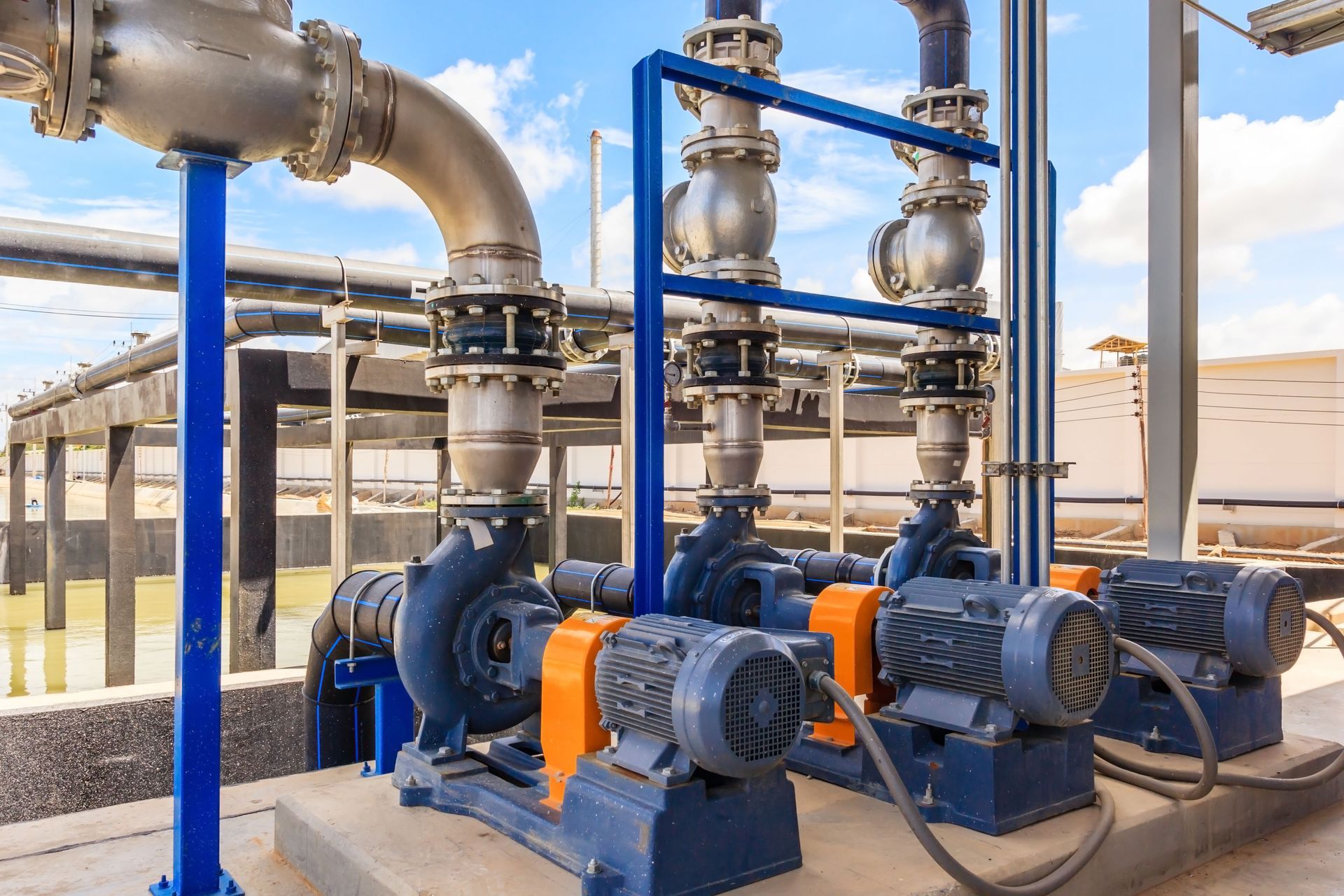
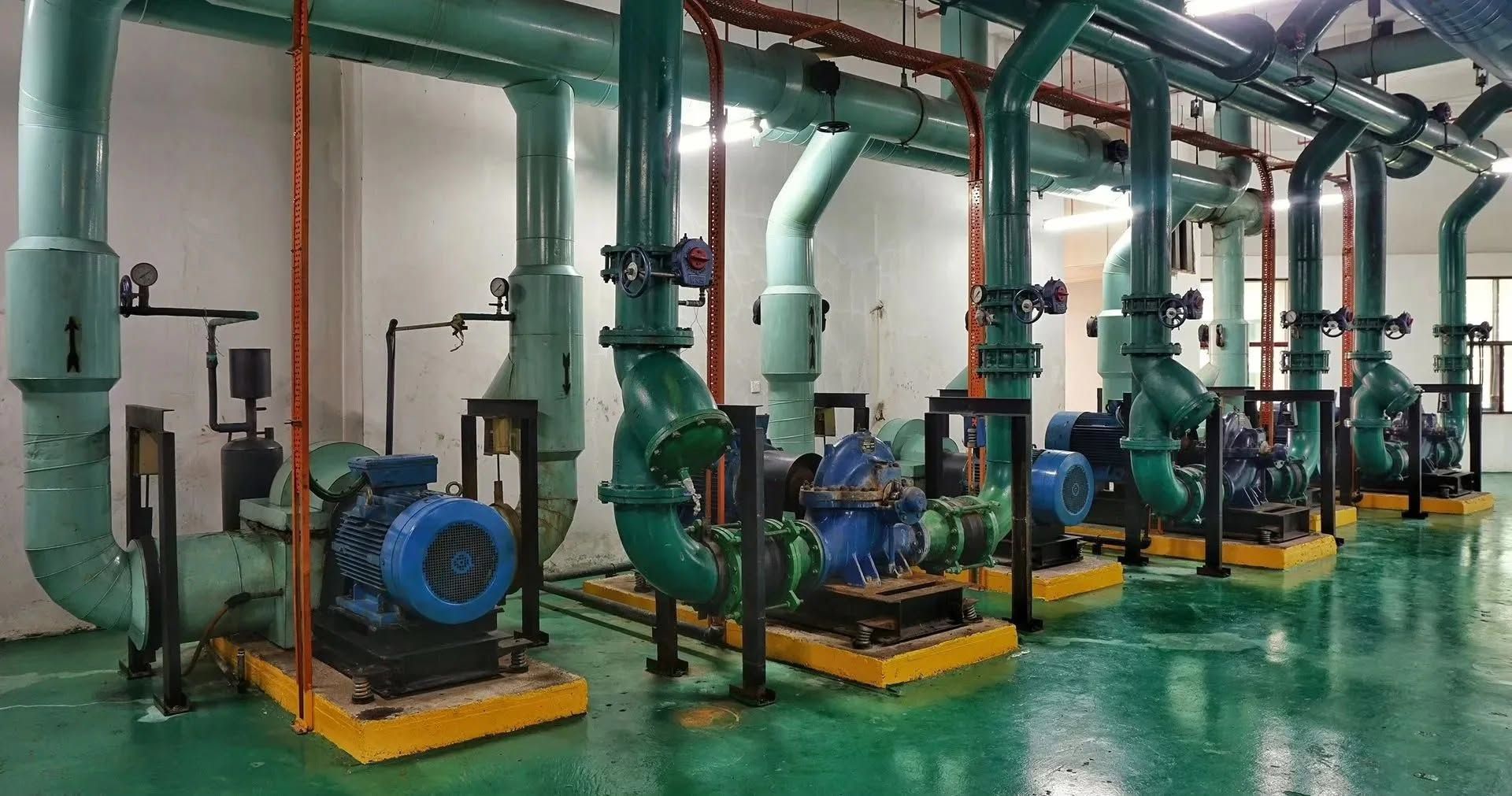
Wastewater systems play a crucial role in keeping homes, commercial buildings, and industrial facilities functioning properly. When these systems operate efficiently, they quietly move wastewater away from your property without disruption. However, when problems arise, they can lead to messy, costly, and inconvenient situations. One of the most important components of any wastewater system is the pump that keeps everything flowing correctly. Understanding how to maintain it and knowing when to seek wastewater pump repair can help prevent unexpected breakdowns. According to the Department of Energy, a centrifugal pump can operate at an efficiency of 90%, demonstrating just how effective these systems are when maintained properly. Investing time in routine care—and calling in experts when needed—helps ensure your wastewater pump remains reliable year-round.
Because wastewater pumps handle heavy workloads and operate in demanding environments, they require attention to stay in top condition. Even small issues can turn into major malfunctions if they go unnoticed. Whether you manage a residential system or a large commercial setup, these expert tips will help you keep your wastewater pump performing smoothly and avoid expensive repairs down the line.
Understanding the Role of Your Wastewater Pump
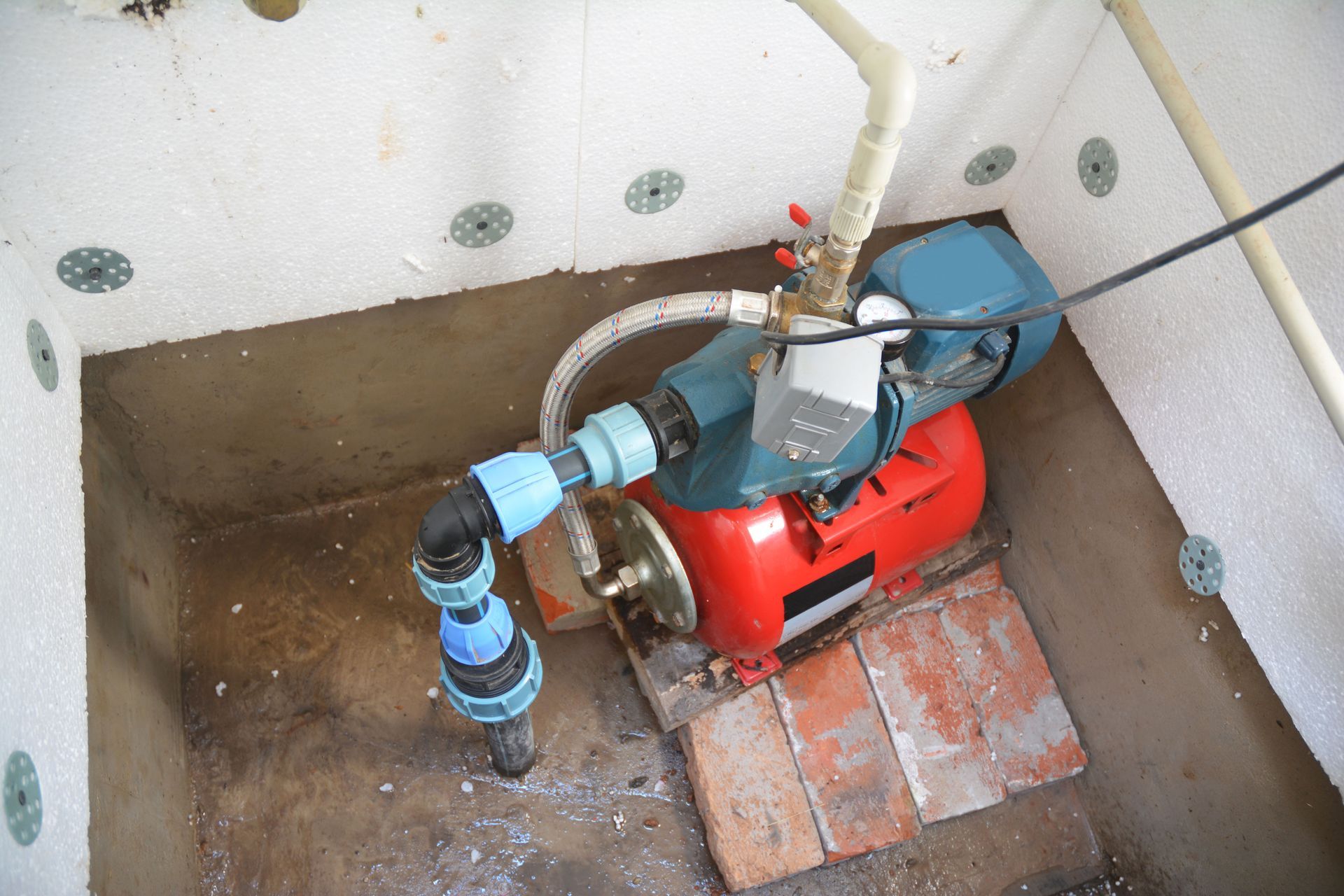
Your wastewater pump’s main function is to move wastewater from lower elevations to higher drainage points. Pumps are necessary when gravity alone cannot move water efficiently. They ensure wastewater flows where it needs to go—whether that’s a municipal sewer line, treatment system, or holding tank.
Because of this critical role, any disruption in pump performance can quickly create backups or overflows. A malfunctioning pump may cause foul odors, standing water, or even property damage. Knowing how your pump works and what stresses it faces will help you protect it from unnecessary strain and identify early warning signs.
Recognizing Signs Your System Needs Attention
Early detection is the key to preventing major pump failures. Strange noises, decreased performance, frequent cycling, or inconsistent pump activation are all indications that something may be wrong. Unusual power consumption or tripped breakers can also reveal hidden mechanical or electrical issues.
If you notice slow wastewater drainage, foul smells near the pump area, or visible leaks around the system, schedule wastewater pump repair right away. Ignoring these signs can lead to larger failures and more expensive repairs. Prompt intervention ensures the pump continues to perform efficiently and prevents small issues from becoming emergencies.
Keeping the Pump Free from Debris
Debris buildup is one of the most common causes of pump malfunction. Items such as wipes, grease, hair, and foreign materials can clog the pump and force it to work harder than intended. Over time, this added strain causes components to wear out quickly.
To protect your system, avoid flushing anything other than wastewater and biodegradable toilet paper. Educate everyone in your household or facility about the proper disposal of non-flushable items. For commercial environments, clear signage and routine monitoring can help prevent misuse. When debris becomes too much for your system to handle, professional wastewater pump repair can restore proper functionality.
Monitoring Electrical Components
Your wastewater pump relies on a stable electrical supply and functioning controls to operate correctly. Faulty wiring, failing control panels, or weakened electrical connections can cause the pump to shut down unexpectedly. Electrical problems often mimic mechanical failures, making them difficult to diagnose without expertise.
Regular inspections of switches, wiring, and control panels can prevent electrical malfunctions. If your pump has trouble starting, cycles erratically, or trips breakers, an expert technician can pinpoint the problem quickly. Electrical issues should always be handled by trained professionals to ensure safe and reliable repairs.
Maintaining Proper Ventilation and Drainage
The area around your pump needs proper ventilation to prevent overheating. Heat buildup can damage electrical components, weaken pump seals, and increase the risk of gasket failures. Adequate ventilation ensures the pump runs at a stable temperature, extending its lifespan.
Drainage also plays an important role in pump performance. Standing water around the pump basin or control box can cause corrosion, electrical hazards, or bacterial growth. Inspect the surrounding area regularly and ensure water flows away from electrical components and the pump housing.
Inspecting Seals, Bearings, and Impellers
Pumps rely on internal components like seals, bearings, and impellers to operate efficiently. When these components wear out, the pump may lose power, vibrate excessively, or stop functioning altogether. Even minor wear can impact energy efficiency and strain the motor.
Periodic inspection helps ensure these components remain in good condition. Worn bearings can cause overheating, while damaged impellers reduce the pump’s ability to move wastewater effectively. Professional wastewater pump repair technicians can detect early deterioration and replace parts before they fail completely.
Scheduling Routine Professional Maintenance
Just like HVAC systems or plumbing fixtures, wastewater pumps perform best with routine maintenance. Professional technicians inspect the system, clean critical components, lubricate moving parts, and test electrical connections. Routine maintenance also identifies problems early, saving homeowners and businesses from unexpected breakdowns.
Experts can calibrate controls, test float switches, and ensure the pump cycles correctly. They also verify that the pump is operating at the correct capacity and pressure. This precision keeps your system running smoothly, reduces energy consumption, and prolongs the life of the pump.
Understanding the Importance of Pump Sizing
A pump that is too small for your wastewater needs will overwork itself, leading to frequent repairs and premature failure. On the other hand, a pump that is too large may short-cycle, wasting energy and wearing out components faster than necessary.
Professionals ensure that the pump size matches the system’s demand. They evaluate factors such as wastewater volume, elevation differences, and pipe configurations. Correct pump sizing improves reliability, efficiency, and system longevity.
Protecting the System From Corrosion
Wastewater often contains harsh chemicals, minerals, and contaminants that can corrode pump components over time. Corrosion weakens seals, deteriorates metal surfaces, and causes leaks that disrupt the pump’s performance.
Regular cleaning and inspection can prevent corrosion-related failures. If corrosion is detected early, technicians can replace affected parts before they cause widespread damage. Choosing corrosion-resistant materials for certain environments can also help prolong the pump’s lifespan.
Improving Energy Efficiency Through Maintenance
A well-maintained pump uses less energy and performs more efficiently than a neglected one. Blockages, worn parts, or electrical issues force the pump to work harder. Over time, this increased demand leads to higher energy costs and more frequent repairs.
Routine maintenance and timely wastewater pump repair ensure the system operates as efficiently as possible. Clean, lubricated components reduce stress on the motor and maintain smooth operation. This not only saves money but also reduces the environmental impact of your wastewater system.
Preventing Emergency Breakdowns
Emergency pump failures often occur unexpectedly and create stressful situations. Backups, flooding, and system shutdowns can disrupt daily operations and require costly emergency service. Preventive maintenance reduces the likelihood of sudden breakdowns and gives homeowners peace of mind.
By addressing small issues early, experts help you avoid major complications. Routine check-ups, cleaning, and part replacements ensure the pump continues to work reliably during peak demand and adverse conditions.
Knowing When to Call a Professional
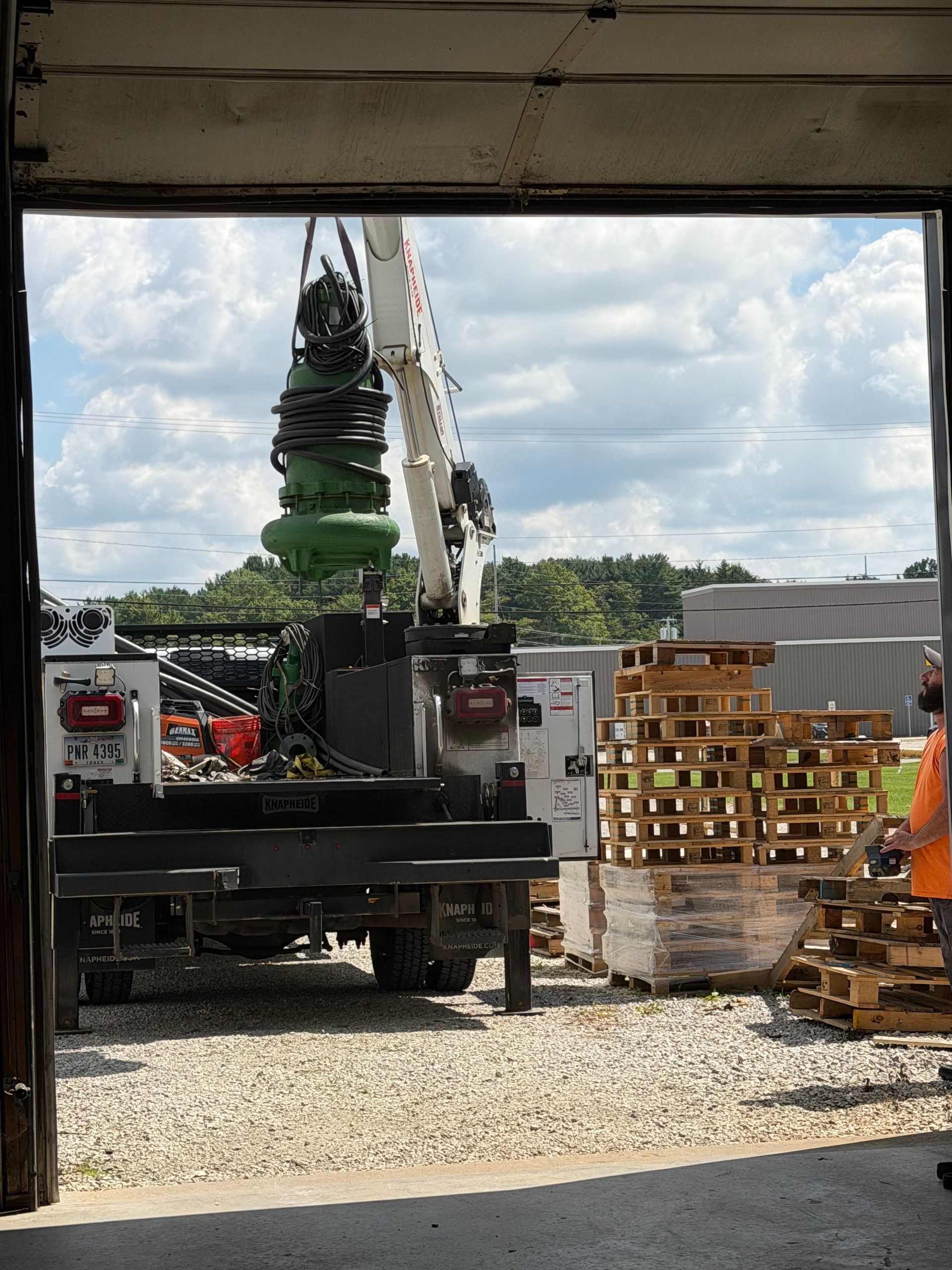
While homeowners can perform basic visual inspections, true system care requires the skill and knowledge of trained technicians. If your pump shows signs of decreased performance, cycling issues, strange noises, or leaks, it’s time to schedule wastewater pump repair. Attempting repairs without proper training can worsen the problem or create safety hazards.
Professionals use advanced diagnostic tools and specialized equipment to repair pumps safely and effectively. They can identify whether the issue is mechanical, electrical, or related to system design. Trusting a qualified technician ensures repairs are completed correctly and prevents recurring problems.
Keeping your wastewater pump in top condition requires a combination of routine care, timely repairs, and professional expertise. From improving efficiency to preventing major breakdowns, expert technicians play a critical role in maintaining the long-term health of your system. When you need reliable service, Pump Systems LLC is here to help with skilled wastewater pump repair and ongoing support. Contact our team today to schedule maintenance or request expert assistance for your wastewater system.