May 1, 2026
Preventative maintenance is not just a best practice—it is a cost-control strategy that directly impacts the performance, lifespan, and reliability of any commercial pumping infrastructure. For facilities that rely on consistent fluid movement, downtime and inefficiencies can quickly translate into lost revenue, emergency repair costs, and premature system replacement. A structured maintenance plan mitigates these risks by addressing small issues before they escalate into major failures.
Whether you manage a manufacturing plant, municipal water system, or industrial processing facility, investing in a proactive approach ensures your commercial pumping system operates at peak efficiency over time. More importantly, it creates predictable operating costs, improves safety, and extends equipment life. Below, we break down how preventative maintenance plans drive measurable long-term savings and why professional oversight is essential to maximizing these benefits.
Understanding System Components and Their Cost Drivers
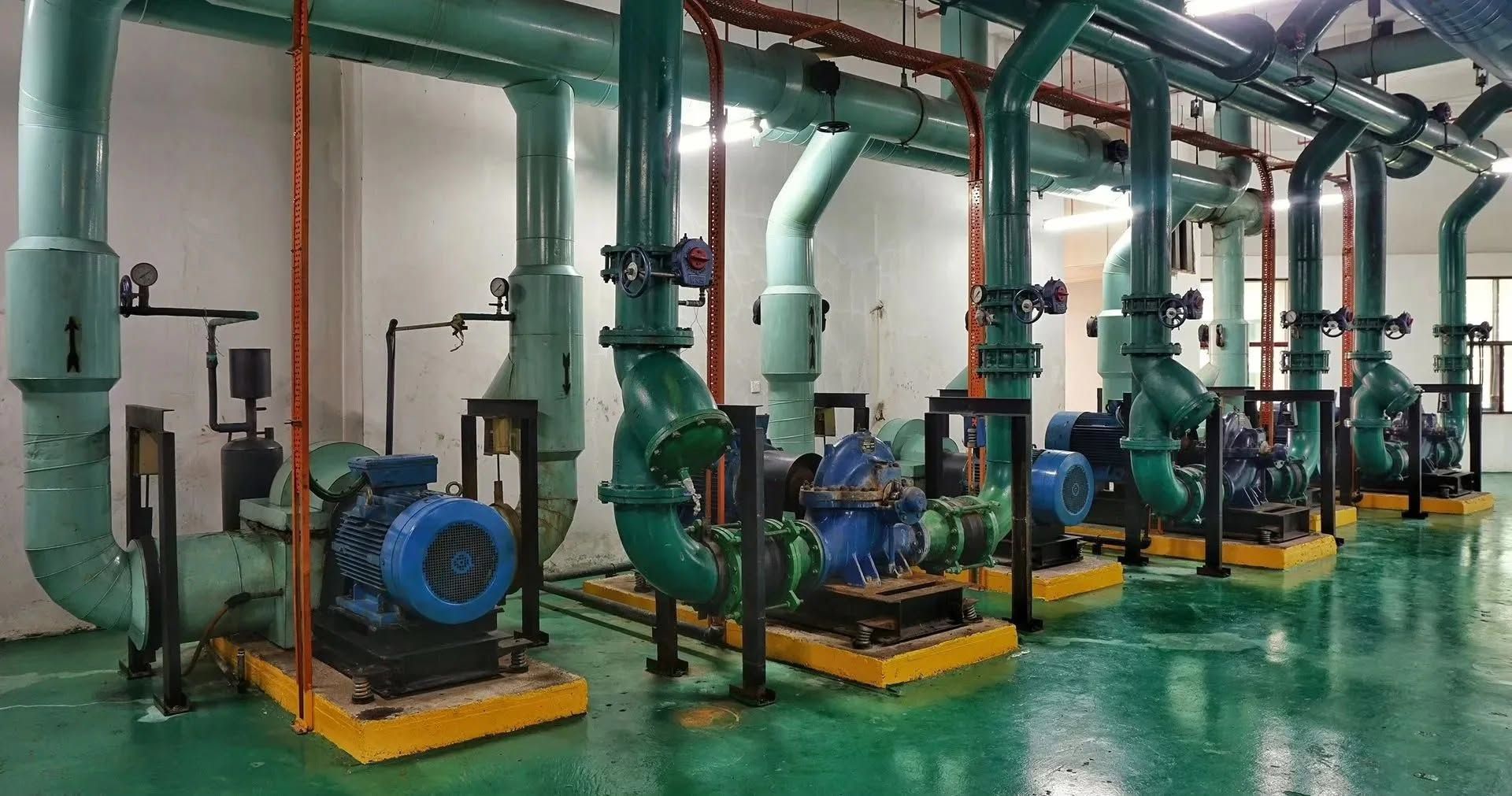
Every commercial pumping system is made up of interconnected components—motors, seals, bearings, impellers, valves, and piping—all of which experience wear over time. Each component has its own failure points and maintenance requirements, and neglecting even one can compromise the entire system.
Understanding how these parts function together is critical to controlling costs. For example, a worn seal may seem minor, but if left unaddressed, it can lead to leaks, contamination, and eventually motor damage. Similarly, misaligned shafts or imbalanced impellers can increase vibration, accelerating wear on multiple components simultaneously.
Preventative maintenance plans identify these cost drivers early. By routinely inspecting and servicing each element, facilities avoid the cascading failures that often result in expensive repairs or full system replacements. This approach ensures that your commercial pumping system remains stable and efficient rather than reactive and unpredictable.
Identifying Common Pump Types and Their Maintenance Needs
Different pump types require different maintenance strategies, making it essential to tailor your plan accordingly. According to the Baltic Times, the five common pump types for industrial use are centrifugal, diaphragm, drum, lobe, and reciprocating plunger. Each operates under unique mechanical principles and therefore presents distinct wear patterns and failure risks.
Centrifugal pumps, for instance, are widely used due to their simplicity but require regular monitoring of impellers and seals to maintain efficiency. Diaphragm pumps, often used for handling corrosive or abrasive fluids, demand close inspection of diaphragms to prevent rupture. Lobe pumps, common in sanitary applications, need precise alignment and lubrication to avoid internal damage.
A one-size-fits-all maintenance plan is ineffective. Instead, a tailored approach ensures that each pump type within your commercial pumping system receives the specific care it needs. This level of precision is where professional expertise becomes indispensable, as trained technicians understand how to diagnose and service each configuration properly.
Preventing Unexpected Downtime Through Routine Inspections
Unplanned downtime is one of the most significant cost drivers in industrial operations. When a pump fails unexpectedly, it can halt production, disrupt supply chains, and require emergency service—often at a premium cost.
Routine inspections are the backbone of any preventative maintenance plan. These inspections include checking for leaks, monitoring vibration levels, assessing temperature fluctuations, and evaluating system pressure. By identifying irregularities early, technicians can address issues before they lead to system failure.
For a commercial pumping system, even a few hours of downtime can result in substantial financial loss. Preventative maintenance reduces this risk by ensuring that all components are functioning within acceptable parameters. Facilities that prioritize routine inspections experience fewer disruptions, allowing for smoother operations and more predictable output.
Extending Equipment Lifespan Through Proactive Care
One of the most direct ways preventative maintenance reduces costs is by extending the lifespan of equipment. Pumps are a significant capital investment, and replacing them prematurely can strain budgets and disrupt operations.
Proactive care—such as lubrication, alignment adjustments, and timely part replacements—keeps components operating within optimal conditions. This reduces wear and tear, preventing the accelerated degradation that often leads to early failure.
A well-maintained commercial pumping system can last significantly longer than one that is neglected. Instead of facing replacement every few years, facilities can maximize the return on their initial investment. Over time, this translates into substantial savings and improved asset management.
Improving Energy Efficiency and Reducing Operational Costs
Energy consumption is a major operational expense for any facility that relies on pumps. Inefficient systems require more power to achieve the same output, driving up utility costs and reducing overall profitability.
Preventative maintenance plays a key role in maintaining energy efficiency. Clean components, properly aligned parts, and well-lubricated systems operate with less resistance, requiring less energy to function. Conversely, neglected systems often suffer from increased friction, blockages, and mechanical strain, all of which contribute to higher energy usage.
Optimizing a commercial pumping system through regular maintenance ensures that it operates as efficiently as possible. This not only lowers energy costs but also supports sustainability initiatives by reducing the facility's overall energy footprint.
Minimizing Emergency Repairs and Associated Expenses
Emergency repairs are inherently more expensive than planned maintenance. They often involve expedited service calls, rush shipping for replacement parts, and extended downtime while issues are resolved.
Preventative maintenance minimizes the likelihood of these emergencies by addressing potential problems in a controlled and scheduled manner. Instead of reacting to failures, facilities can plan maintenance activities during off-peak hours, reducing operational disruption.
For any commercial pumping system, the cost difference between preventative maintenance and emergency repair is significant. By investing in routine care, facilities avoid the unpredictability and high expenses associated with sudden breakdowns. This approach not only saves money but also reduces stress on operations and personnel.
Enhancing Safety and Regulatory Compliance
Safety is a critical concern in any industrial environment, and poorly maintained pumps can pose serious risks. Leaks, pressure imbalances, and mechanical failures can lead to hazardous conditions, including chemical exposure or equipment-related injuries.
Preventative maintenance ensures that all components are functioning safely and within regulatory standards. Regular inspections and servicing help identify potential hazards before they become dangerous. This is particularly important in industries with strict compliance requirements, where violations can result in fines or operational shutdowns.
Maintaining a safe commercial pumping system protects both employees and the organization as a whole. It also demonstrates a commitment to best practices, which can enhance reputation and reduce liability.
Leveraging Professional Expertise for Optimal Results
While some basic maintenance tasks can be performed in-house, the complexity of modern pumping systems often requires professional expertise. Certified technicians bring specialized knowledge, diagnostic tools, and industry experience that go beyond routine checks.
Professionals can identify subtle issues that may not be immediately apparent, such as early-stage bearing wear or minor alignment deviations. They also ensure that maintenance procedures are performed correctly, reducing the risk of human error.
Partnering with experts ensures that your commercial pumping system receives comprehensive care. This not only improves performance but also maximizes the return on your maintenance investment. Facilities that rely on professional support consistently achieve better outcomes than those that attempt to manage complex systems without specialized knowledge.
Building a Predictable Maintenance Budget and Strategy
One of the less obvious benefits of preventative maintenance is financial predictability. Reactive maintenance models often result in fluctuating expenses, making it difficult to budget effectively.
A structured maintenance plan provides a clear schedule of inspections, servicing, and part replacements. This allows facilities to allocate resources more accurately and avoid unexpected financial strain.
For a commercial pumping system, predictable maintenance costs are a significant advantage. They enable better long-term planning and reduce the likelihood of sudden, high-cost repairs. Over time, this stability supports more efficient financial management and operational planning.
Preventative maintenance is not an optional expense—it is a strategic investment that delivers measurable returns. By addressing issues early, optimizing performance, and extending equipment lifespan, facilities can significantly reduce the total cost of ownership for their pumping systems.
From minimizing downtime and improving energy efficiency to enhancing safety and ensuring compliance, the benefits are both immediate and long-term. However, achieving these results requires a disciplined approach and, in many cases, the involvement of experienced professionals who understand the complexities of industrial systems.
If you are looking to protect your investment and improve the performance of your pumping infrastructure, it is time to take a proactive approach. We help businesses implement tailored maintenance strategies that keep systems running efficiently and cost-effectively. Contact Pump Systems LLC today to develop a preventative maintenance plan that works for your operation and reduces your long-term pump costs.