August 28, 2026
Managing high fluid volumes across industrial operations requires dependable mechanical solutions capable of continuous operation. A robust commercial pumping system serves as the backbone for moving vast amounts of liquid through intricate distribution networks. Industries relying on massive fluid transport must balance operational reliability with energy efficiency to prevent costly downtime and environmental risks. Understanding how these heavy-duty systems overcome extreme hydraulic demands helps operators choose the right equipment, optimize maintenance practices, and ensure continuous performance across demanding working conditions.
Understand High-Volume Pumping System Fundamentals
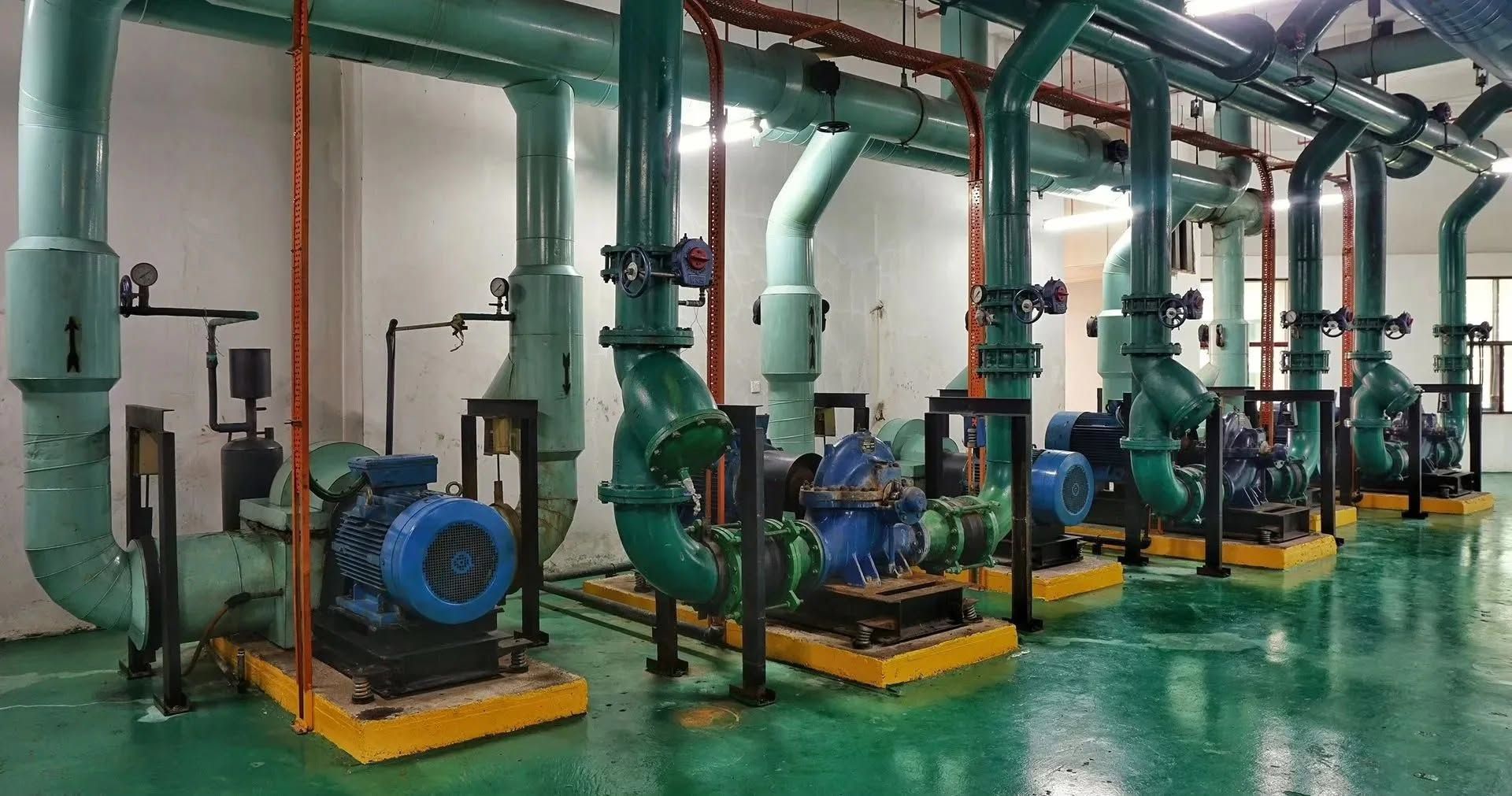
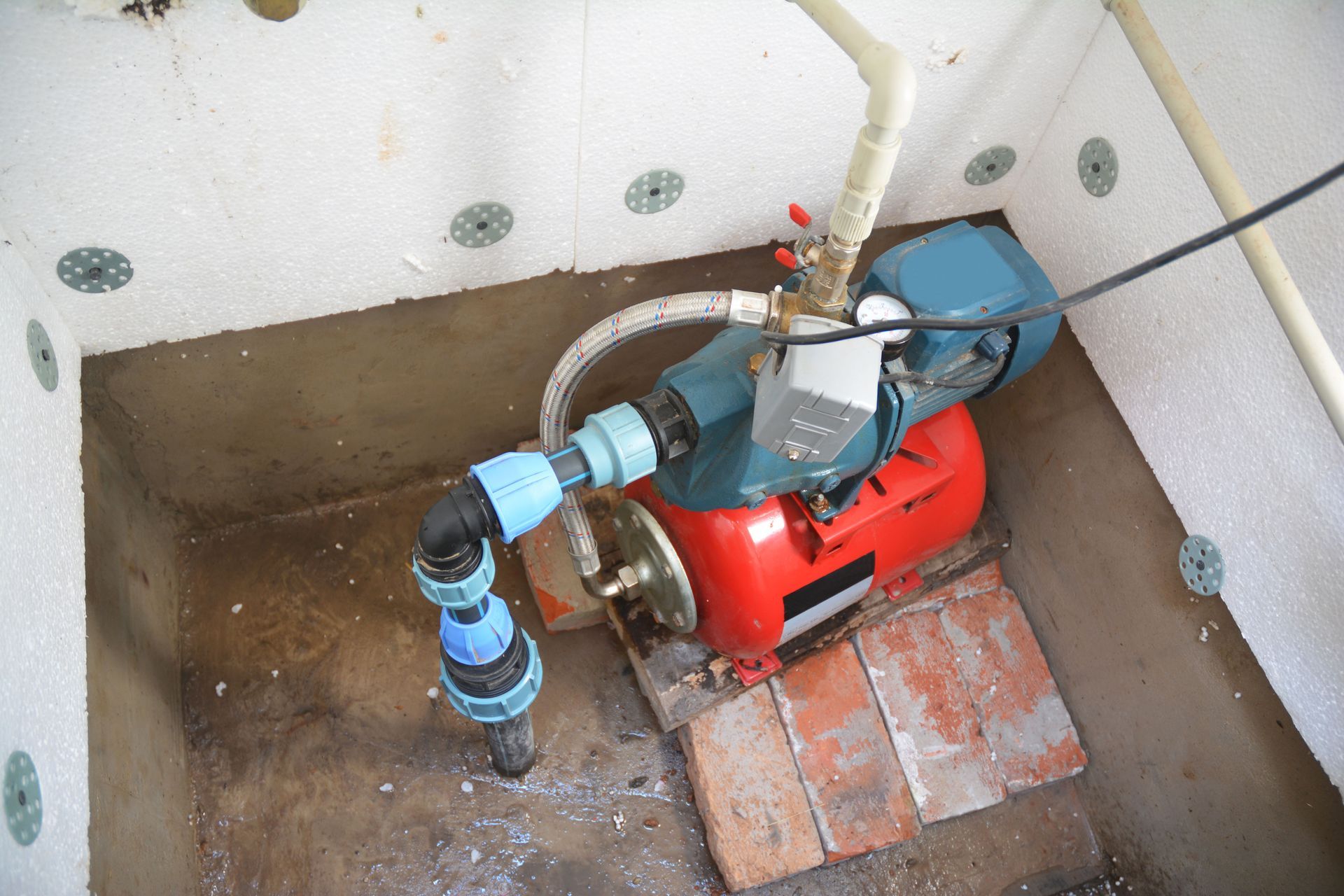
Every commercial pumping system is engineered to handle massive fluid movement by converting mechanical energy into hydrodynamic energy. Centrifugal units rely on rotating impellers to create fluid velocity, making them popular for continuous fluid transport across flat terrains. Positive displacement units capture discrete fluid volumes and force them through discharge pipes, making them effective when dealing with viscous fluids or high pressures.
Essential components of these heavy-duty networks function together to maintain smooth hydraulic performance. Beyond the primary driver and pump casing, pipe arrays, control valves, and specialized fittings guide fluid movement with minimal friction loss. High-volume setups require precise monitoring devices and dynamic controllers to track operational variables, ensuring that internal components operate in harmony to protect overall transport process integrity.
Evaluating system capability relies on measuring flow throughput, dynamic head pressure, and total power consumption across varied operational cycles. Facilities must balance volumetric requirements against electrical energy demands to control operating expenses. Selecting equipment built from durable, corrosion-resistant materials ensures sustained performance, preventing premature wear and minimizing sudden emergency repairs in high-demand environments.
Evaluate Key Design Considerations for Heavy Fluid Flow
Designing an efficient commercial pumping system requires precise calculations regarding volumetric flow rates and system pressure demands. Engineers evaluate maximum peak demands to select equipment operating within optimal parameters without overloading internal motors. Proper capacity planning prevents pump cavitation, reduces internal mechanical stress, and ensures that fluid velocity remains stable throughout the entire distribution line.
Material selection plays a vital role in extending operational lifespan and preserving equipment integrity under demanding service conditions. High-volume applications frequently involve abrasive slurries, corrosive chemicals, or extreme temperature fluctuations that rapidly degrade standard metals. Utilizing stainless steel alloys, heavy cast iron, or specialized synthetic coatings shields internal components from erosion, lowering maintenance frequency and safeguarding continuous facility productivity.
Industry requirements drive distinct architectural choices for fluid handling systems across various commercial facilities. According to research from Market and Markets, roughly 14% of the pump industry is driven by commercial and residential uses, boosted by rising integration in climate control, agricultural watering, and structural water networks. Integrating tailored equipment ensures long-term operational resilience, enabling facilities to meet strict safety guidelines while controlling overall life-cycle expenditure.
Implement Advanced Technologies to Enhance System Efficiency
Integrating modern technology into a commercial pumping system dramatically improves energy management and process automation. Smart pumping platforms combine internet-connected sensors with real-time monitoring tools to track temperature, pressure, and vibration levels continuously. These intelligent systems automatically adjust operational settings to match changing demands, preserving energy while preventing mechanical overload during peak usage periods.
Variable speed controllers represent another major technological advancement for continuous fluid management. By dynamically altering motor speed to match real-time demand, these controllers eliminate the energy waste associated with running pumps at full power constantly. This flexibility reduces mechanical wear on impellers and bearings, substantially extending system life while lowering monthly electrical costs across industrial operations.
Automated control software and predictive diagnostic platforms transform how maintenance teams manage high-volume equipment. Machine learning algorithms analyze historical performance data to spot subtle signs of wear long before mechanical failure occurs. This proactive approach allows technicians to schedule repairs during planned maintenance windows, avoiding unscheduled downtime and optimizing overall productivity across the enterprise.
Address Operational Challenges in Demanding Environments
Operating a high-volume commercial pumping system under severe thermal or pressure conditions presents constant mechanical challenges. Extreme internal pressure accelerates component wear, while elevated fluid temperatures cause seal degradation and thermal expansion issues. Implementing heavy-duty mechanical seals, robust heat exchangers, and automated pressure relief mechanisms ensures that machinery remains safe and operational during heavy continuous duty.
Excessive vibration and mechanical noise represent persistent issues that threaten component alignment and structural integrity. Unchecked vibration leads to bearing failure, shaft misalignment, and pipe fatigue over extended operating cycles. Engineers address these issues by installing heavy isolation bases, flexible pipe connectors, and dynamic balancing mechanisms that absorb mechanical shock and maintain quiet operations.
Managing operating expenses while remaining fully compliant with strict environmental regulations requires constant diligence. High-volume fluid transport consumes vast amounts of electrical power, making energy optimization crucial for maintaining profitability. Employing efficient equipment design, waste-heat recovery, and leak-prevention protocols allows facilities to adhere to environmental standards, protect surrounding ecosystems, and maximize return on equipment investment.
Analyze Successful Application Examples Across Major Industries
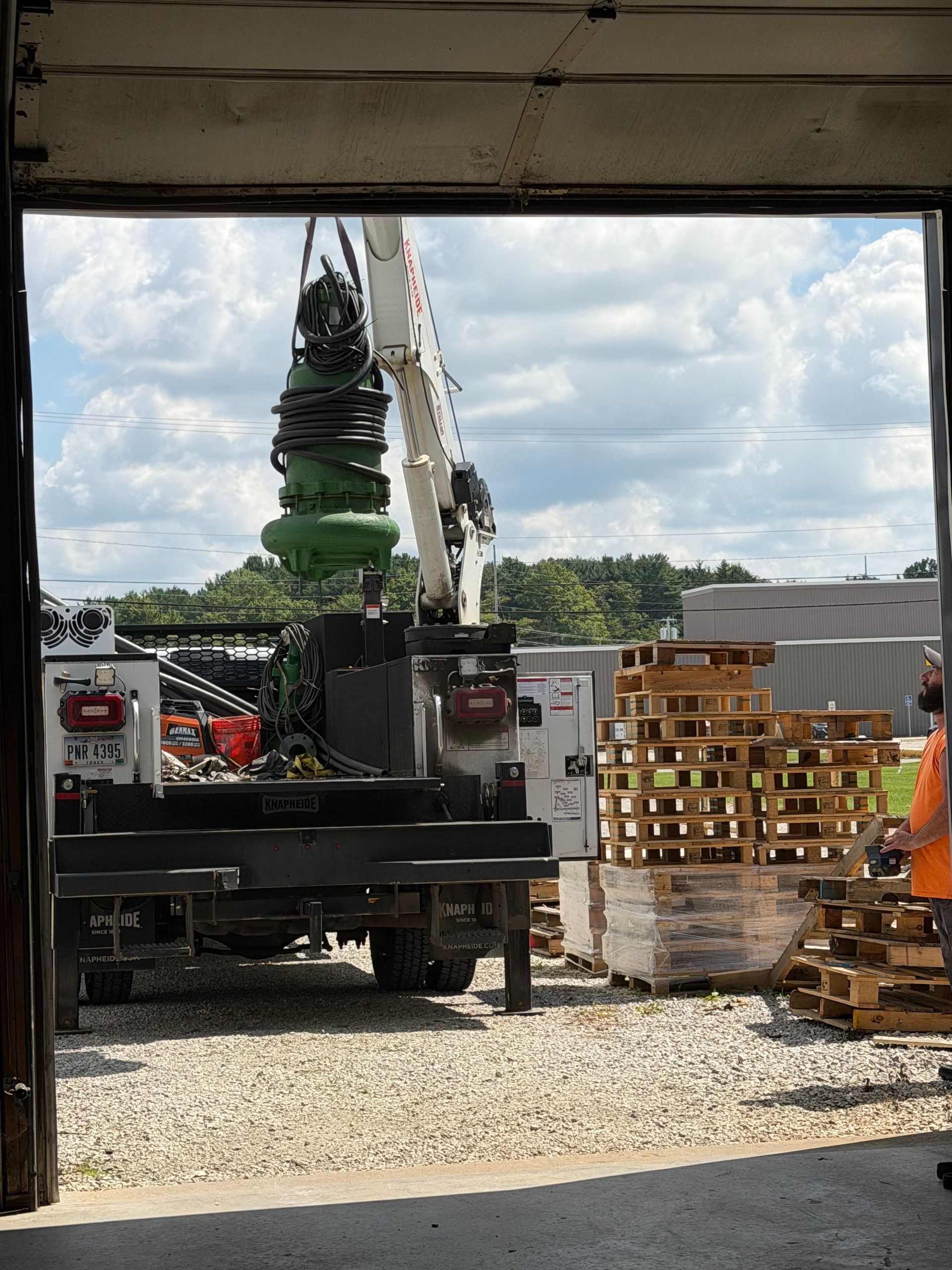
Municipal water and wastewater management facilities depend on a heavy-duty commercial pumping system to process vast liquid volumes daily. These plants utilize large centrifugal and submersible units to move raw water through filtration stages and deliver clean drinking water across municipal distribution grids. Automated monitoring guarantees consistent pressure, while energy-efficient equipment controls long-term municipal operating expenses.
Energy extraction and refining sectors rely heavily on specialized high-pressure pumps to transport crude oil, chemicals, and process fluids through vast pipeline networks. These rugged pumps endure harsh environmental conditions and volatile materials without sacrificing operational reliability. Advanced automation and variable speed technology help these operations adjust flow rates dynamically, protecting critical pipeline infrastructure while maintaining steady production output.
Agricultural enterprises and manufacturing plants utilize high-capacity fluid movement systems to support crop irrigation and industrial production cycles. Modern agricultural setups use smart monitoring tools to adjust water delivery based on soil moisture levels, conserving precious water resources. Manufacturing facilities utilize tailored pumping setups to circulate cooling water, manage chemical processing, and maintain uniform product quality across production lines.
Explore Future Innovations Shaping Next-Generation Fluid Delivery
Artificial intelligence and modern machine learning are redefining how a commercial pumping system is controlled and optimized. Intelligent algorithms continuously process operational data, making instantaneous adjustments to maximize fluid throughput while minimizing power consumption. These self-learning systems adapt to changing operational conditions, offering unprecedented levels of automated control and operational efficiency for modern industrial facilities.
Breakthroughs in materials science are expanding the capabilities and durability of high-volume fluid transport equipment. Advanced composite materials, ceramic coatings, and high-strength alloys offer exceptional resistance to corrosion, high heat, and abrasive wear. Implementing these lightweight, highly durable materials reduces rotational inertia, lowers energy requirements, and significantly extends operational lifespans under severe operating conditions.
Sustainability goals continue to drive design innovations across the entire pump manufacturing sector. Modern manufacturing processes, including additive manufacturing and precision hydraulic modeling, enable the creation of highly efficient impeller geometries that minimize internal fluid friction. These eco-friendly design advances reduce carbon emissions and align industrial operations with evolving global environmental regulations.
Modernizing pumping infrastructure ensures reliable fluid delivery, enhanced environmental compliance, and long-term cost protection for growing industrial facilities. Selecting robust equipment and incorporating state-of-the-art control systems positions operations for continuous success in a competitive market. If you are ready to enhance your commercial pumping system in your facility, contact our team of experts at Pump Systems LLC so we can help you build the ideal solution.