February 3, 2026
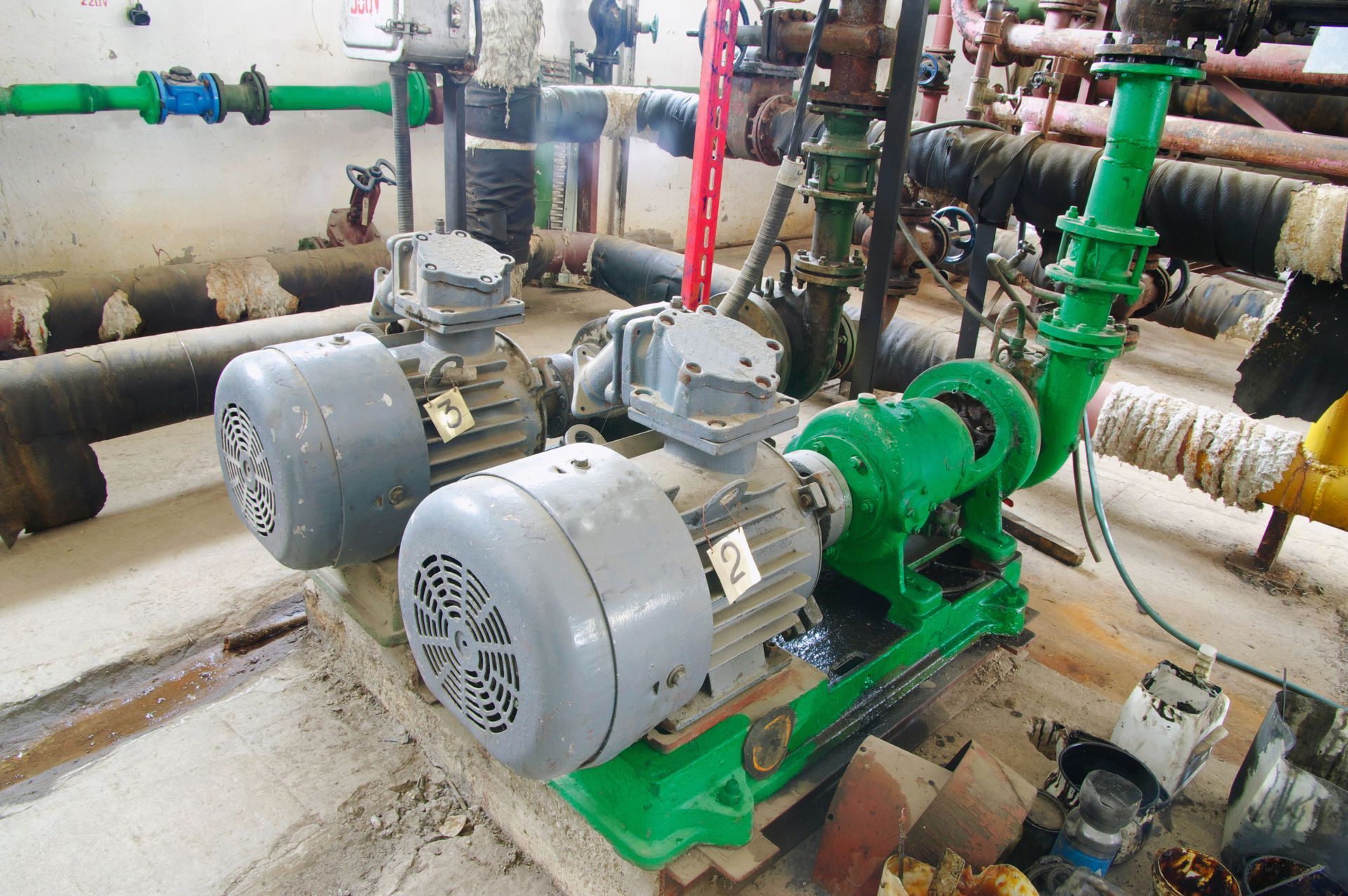
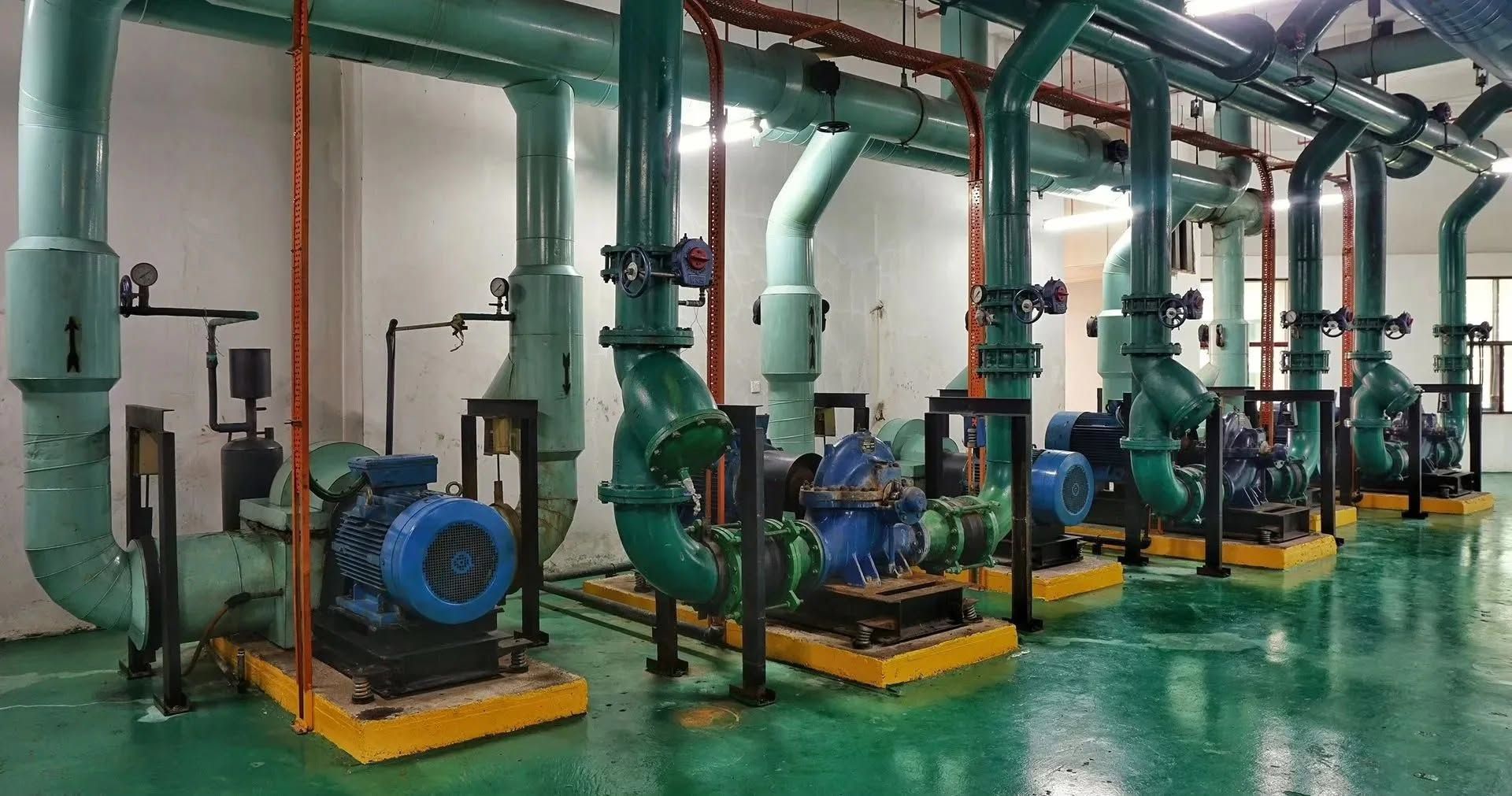
Industrial pumps keep operations running smoothly, but when they fail, the impact can ripple through production schedules, safety procedures, and energy costs. Facility managers need a solid understanding of industrial pump repair, so they can recognize early warning signs, address issues quickly, and avoid costly downtime. This guide breaks down the essentials of industrial pump restoration and helps managers make informed decisions that support reliability and efficiency. Understanding these fundamentals also helps managers communicate repair needs clearly to service providers and internal teams. With the right approach, pump repairs can be handled in a way that reduces long-term costs and keeps systems stable.
Understand Why Industrial Pump Restoration Matters
Industrial pumps often run continuously under heavy loads, making them prone to wear and tear. When a pump fails, the consequences can include lost production time, increased energy use, and equipment damage. Understanding industrial pump restoration helps facility managers identify common problems early and schedule repairs before they escalate. This proactive approach reduces emergency downtime and protects the broader system. Facility managers also gain better control over maintenance budgets when they understand repair needs and frequency. Proper repair planning also supports compliance and safety standards across the facility.
Identify Common Pump Failure Causes
Many pump failures occur due to predictable issues such as worn seals, damaged bearings, or clogged impellers. In industrial environments, pumps also face harsh conditions like high temperatures, corrosive fluids, and constant vibration. Recognizing the most common causes of failure helps facility managers target repairs more effectively and avoid repeated breakdowns. It also helps teams decide whether a repair is sufficient or if replacement is necessary. Knowing common causes also supports better planning for spare parts and maintenance schedules.
Inspect Pumps Regularly for Warning Signs
A simple inspection routine can catch pump problems early. Common warning signs include unusual noise, vibration, leaking, overheating, or reduced flow rates. When facility managers notice these symptoms, they should schedule industrial pump repair before the issue worsens. Early intervention can prevent damage to surrounding equipment and save time and money in the long run. Regular inspections also help build a performance history that can be used to identify recurring issues. A documented inspection process supports accountability and improves communication across teams.
Evaluate the Role of Efficiency in Pump Performance
Efficiency is a key factor in pump performance, and even small drops can have a big impact on energy costs. According to the Department of Energy, a centrifugal pump can operate at an efficiency of 90%. This means that maintaining proper pump performance is essential not only for reliability but also for energy savings. Industrial pump restoration plays a direct role in restoring efficiency by addressing wear, alignment issues, and internal damage. Facility managers should view pump repair as an investment that supports long-term cost control. Efficient pumps also reduce strain on other system components and improve overall facility performance.
Maintain Proper Alignment and Installation
Many pump problems begin with improper alignment or installation. Misaligned pumps can cause vibration, bearing wear, and seal failure. Facility managers should ensure pumps are mounted correctly and aligned to manufacturer specifications. When alignment issues are detected, industrial pump repair should include realignment and inspection of the surrounding system to prevent repeat failures. Proper installation also helps prevent leaks and reduces the risk of sudden shutdowns. Alignment checks should be part of routine maintenance to avoid long-term damage.
Choose Repairs Based on Long-Term Reliability
When repairing an industrial pump, facility managers must consider the long-term impact of the repair. Replacing worn parts with quality components and following proper repair procedures helps prevent future breakdowns. Industrial pump restoration should focus on restoring the pump to its original performance level, rather than using temporary fixes that can lead to repeated failures. Facility managers should also consider the total cost of ownership, including energy and downtime expenses. Long-term repair planning also supports consistent performance across the entire facility.
Monitor Pump Performance With Data
Data-driven maintenance can prevent unexpected failures. Facility managers can track pump performance through pressure, flow, temperature, and vibration readings. Monitoring trends over time helps identify issues before they become critical. Industrial pump repair becomes more effective when repairs are guided by performance data rather than reactive response. Using data also helps teams prioritize repairs and allocate resources more efficiently. Consistent monitoring improves communication between operations and maintenance teams.
Plan Maintenance to Minimize Downtime
Scheduling repairs during planned maintenance windows helps reduce disruption to operations. Facility managers should coordinate industrial pump restoration with production schedules, ensuring repairs are completed efficiently and safely. Planning also allows time to source replacement parts and prepare the necessary tools and personnel.
Protect Your Pump Investment With Professional Support
Industrial pumps are major investments, and repairs should be handled with care. Facility managers should work with a service provider that understands industrial pump repair and can support ongoing maintenance needs. When repair needs arise, choosing experienced professionals ensures the pump is restored correctly and efficiently. A professional provider can also support ongoing inspection programs and long-term maintenance planning. Working with a reliable provider reduces the likelihood of repeat failures and extends pump life.
Expand Your Maintenance Strategy With Condition Monitoring
Condition monitoring can extend the life of industrial pumps and reduce the frequency of emergency repairs. This includes periodic vibration analysis, thermal imaging, and performance trend tracking. These tools help facility managers detect developing issues such as bearing wear or misalignment before they cause a failure. By using data to guide maintenance decisions, industrial pump repair can be scheduled at the most effective time, minimizing disruption and reducing repair costs. Condition monitoring also helps identify issues that might not be visible during routine inspections. Over time, it supports continuous improvement and more accurate repair planning.
Reduce Energy Waste With Proper Pump Selection
Even when a pump is repaired correctly, it may still consume more energy than necessary if it is oversized or undersized for the application. Facility managers should review pump selection and system requirements regularly. Ensuring the pump is matched to the system reduces strain and prevents premature wear. When a pump is not operating at its designed point, it may require industrial pump restoration more frequently, and energy costs can rise without visible signs of failure.
Address Common Fluid Issues That Affect Pump Performance
The fluid being pumped can play a major role in pump performance and longevity. Abrasive fluids, high temperatures, and corrosive chemicals can accelerate wear and cause internal damage. Facility managers should verify that the pump materials and seals are compatible with the fluid in use. When fluid-related damage is suspected, industrial pump repair should include inspection of internal components and replacement of any parts that show signs of corrosion or erosion. Monitoring fluid conditions also helps identify when changes in the process are affecting pump performance. Addressing fluid issues early can prevent costly internal damage and extend pump life.
Develop a Spare Parts Strategy for Faster Repairs
Having critical spare parts on hand can dramatically reduce downtime when a pump fails. Facility managers should create a parts inventory that includes seals, bearings, and other wear components. When industrial pump restoration is needed, a prepared inventory allows technicians to complete repairs faster, reducing the time the pump is offline. This strategy is especially important for facilities that rely on continuous production. A spare parts plan also helps reduce emergency ordering and shipping delays. It supports consistent maintenance schedules and faster turnaround times.
Train Staff on Proper Pump Operation
Pump failures are sometimes caused by improper operation, such as running the pump dry, operating at the wrong speed, or allowing debris to enter the system. Facility managers should ensure staff understand proper pump operation and the risks associated with improper use. When staff are trained to recognize early warning signs, industrial pump restoration can be requested sooner, preventing more serious damage.
Industrial pump restoration is a vital part of maintaining reliable facility operations. By understanding common failure causes, recognizing warning signs, and using data to guide maintenance, facility managers can prevent unexpected downtime and protect equipment performance. When repair needs arise, facility managers can rely on professional support to restore pump performance quickly and safely. At Pump Systems LLC, we work with facility teams to keep pumps running efficiently and reduce the risk of costly breakdowns. For reliable industrial pump repair, contact Pump Systems LLC and keep your systems running at peak performance.