April 2, 2026
Commercial pumping systems are critical components in various industrial and municipal applications, providing the backbone for fluid transport. The efficiency of a pumping system hinge on proper sizing, which ensures optimal performance and cost-effectiveness. Incorrect sizing can lead to operational inefficiencies, increased energy use, and higher maintenance demands for the facility.
Correctly sized pumping systems contribute to sustainable operations, minimizing energy consumption and reducing equipment wear. Understanding the fundamentals of a pumping system is essential to achieve efficiency and long-term operational savings. This article explores the components, challenges, and benefits associated with accurate sizing of a pumping system.
Basic Commercial Pumping Systems
Identify Components of Pumping Systems
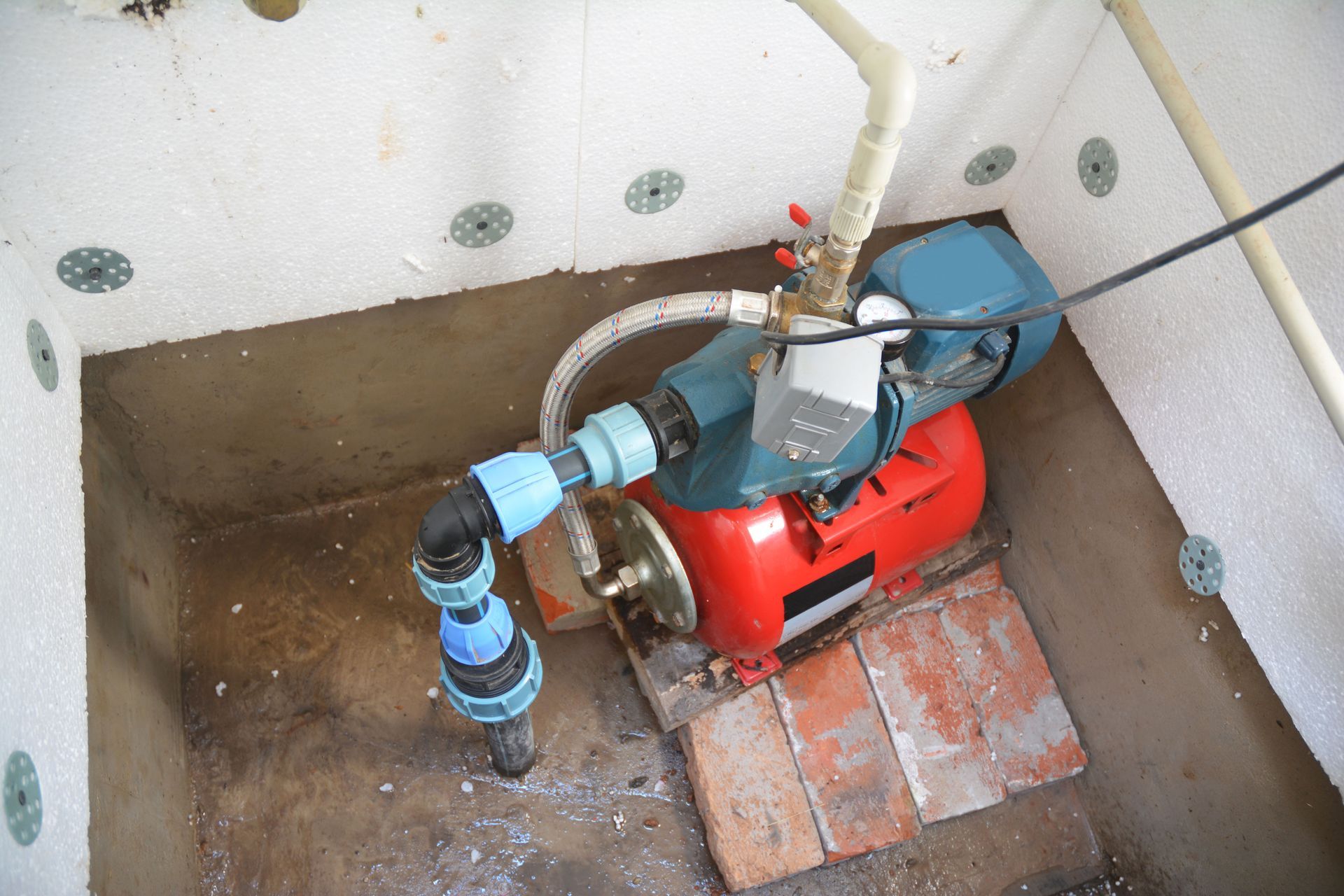
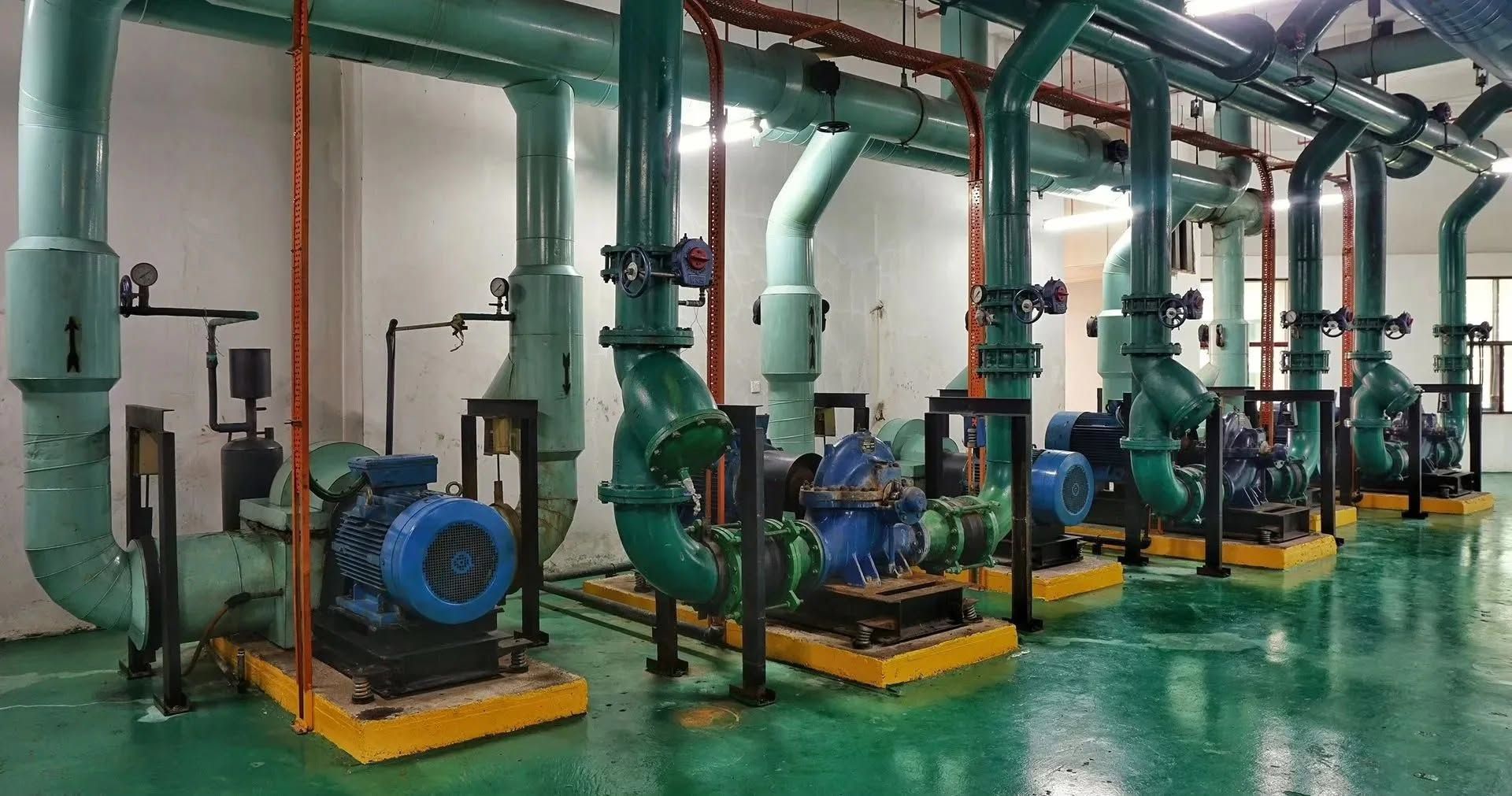
Overall, pumping systems comprise several key components that work together to move fluids efficiently. The primary component is the pump, which moves liquids through the system by mechanical action. Valves regulate flow and pressure within the piping network, maintaining operational stability under varying conditions.
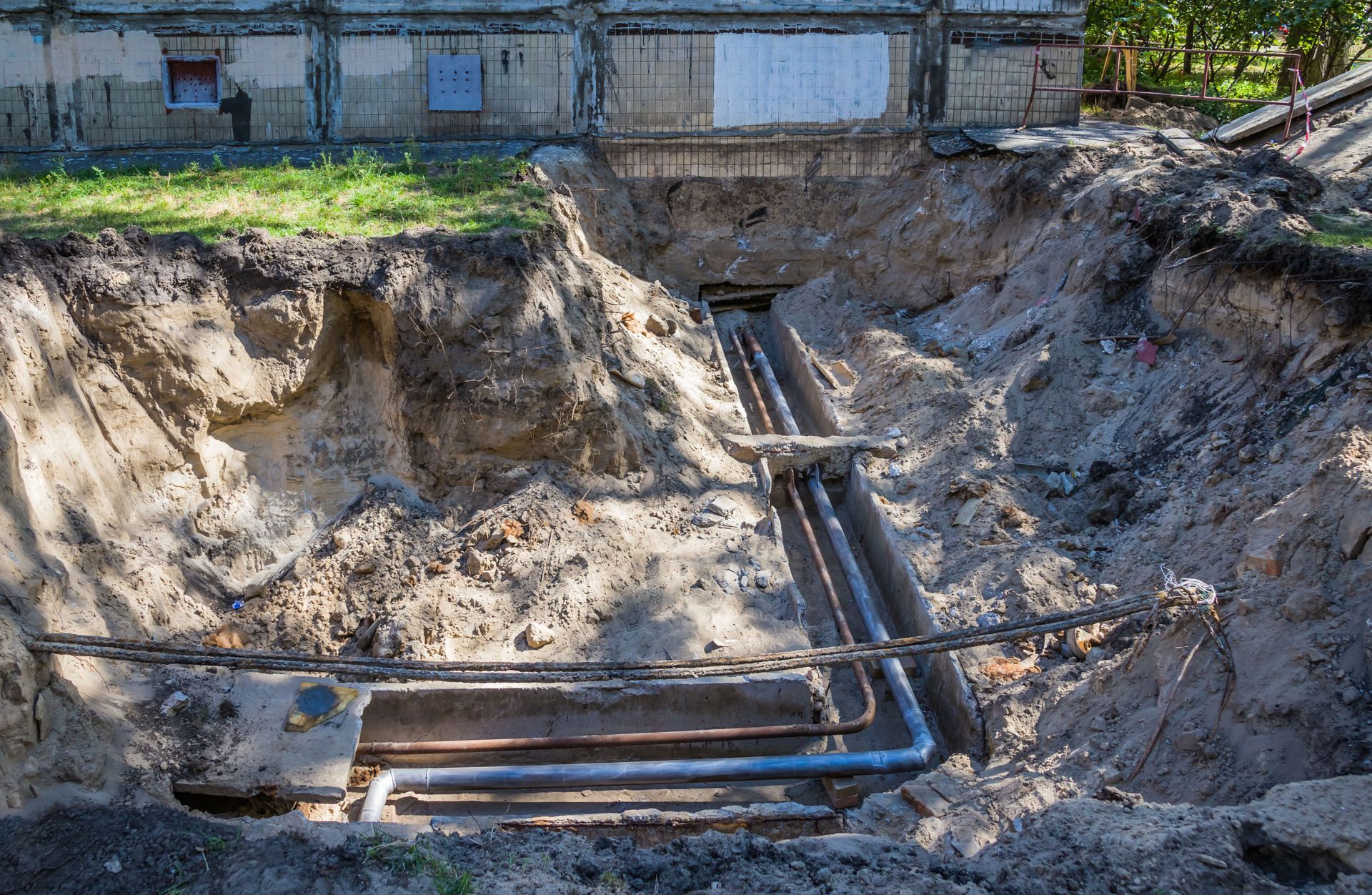
Piping serves as the conduit linking pumps to system endpoints, ensuring fluids are transported reliably across the system. Proper selection and sizing of these components are essential to prevent operational disruptions and reduce the frequency of repairs. When components are correctly integrated, a pumping system achieves optimal functionality and longevity, ensuring consistent service delivery.
Choose Types of Commercial Pumping Systems
Usually, pumping systems vary based on application needs and required performance. Common types include centrifugal pumps, which use rotational energy to move fluids and are suitable for transporting large volumes, and positive displacement pumps, which move fluids by trapping a fixed volume and forcing it through the discharge pipe. Each type is designed to handle specific operational demands efficiently.
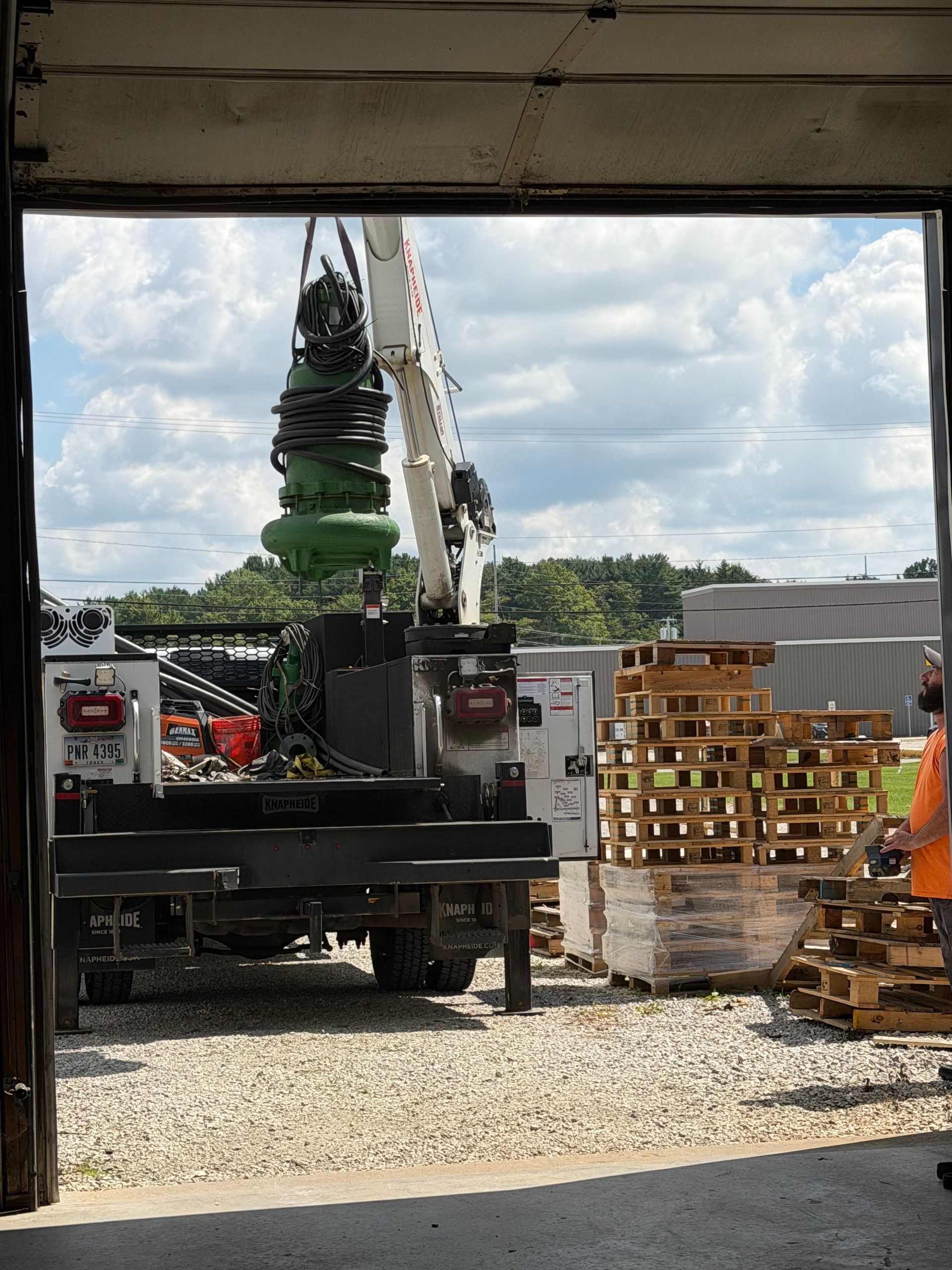
Submersible pumps are built to operate fully submerged in fluid, making them ideal for wastewater and water transport applications. Selecting the appropriate type of pump requires careful evaluation of fluid characteristics, flow rate requirements, and environmental conditions. A properly selected pumping system ensures both operational efficiency and reliability over time.
Apply Pumping Systems in Water and Wastewater
Pumping systems play a vital role in municipal water supply and wastewater management. Pumps transport potable water to communities, remove wastewater for treatment, and support flood control and stormwater management. Properly sized systems maintain consistent flow rates, enhance energy efficiency, and prevent operational disruptions in water infrastructure.
Large-scale municipal operations benefit from tailored pumping systems that account for variable demand and environmental conditions. By understanding the applications and requirements of each setting, facility managers can ensure that systems operate reliably and efficiently, minimizing downtime and maintenance costs.
Address Challenges of Commercial Pumping Systems
All in all, pumping systems face operational challenges such as mechanical wear, high energy consumption, and potential system failures. Maintenance issues arise from component degradation, emphasizing the importance of regular inspections and timely repairs to avoid costly downtime. Environmental conditions and fluctuating demand further complicate system performance.
Addressing these challenges proactively through careful design and routine maintenance is essential. Facilities that implement systematic oversight of a pumping system can extend equipment lifespan, enhance safety, and maintain consistent operational output across the network.
Maintain Pumping System Efficiency
Regular inspections and preventive maintenance help monitor pump performance and detect issues early, reducing the likelihood of unexpected breakdowns. Ensuring components are sized correctly and maintained appropriately strengthens system reliability. These practices allow facilities to optimize operational efficiency while maintaining safe working conditions for personnel.
Beneficial Commercial Pumping System Sizing
Reduce Energy Consumption and Costs
Properly sized pumping systems operate within optimal parameters, reducing energy consumption and lowering operational costs. Correct sizing also minimizes wear on components, reducing the frequency of part replacements and system maintenance. Energy efficiency gained through proper sizing translates directly to long-term financial savings for facilities.
Investing in accurate sizing supports sustainable growth and operational control, allowing facilities to allocate resources more efficiently while maintaining reliable performance. Over time, these benefits contribute to both cost savings and improved environmental outcomes through reduced energy usage.
Extend Performance and Equipment Longevity
Accurate sizing ensures that pumps and associated components operate within their designed capacities, minimizing mechanical stress and extending service life. Well-sized commercial pumping systems experience fewer breakdowns and require less frequent maintenance, allowing facilities to maintain consistent operational output. Extending equipment lifespan also reduces waste and supports environmentally responsible practices.
Improve Operational Safety
Properly sized pumping systems reduce mechanical strain and the risk of equipment failure, promoting a safer environment for personnel. Minimizing unexpected malfunctions protects both staff and facility infrastructure from potential hazards. Safety is enhanced when systems are carefully designed, maintained, and operated within their intended parameters.
Demonstrate Efficiency Gains in Real-World Applications
According to Strategic Market Research, in U.S. municipal wastewater networks, deployment of real-time pump performance optimization software in Rotterdam's sewage transport system improved energy efficiency by 18% in a referenced case study, illustrating the scale of efficiency gains possible when software is applied to large municipal pump fleets. This example highlights the potential improvements that can be achieved through system optimization and proper sizing of commercial pumping systems.
Negative Impacts of Incorrect Pumping System Sizing
Limit Increased Operational Costs
Undersized pumps may struggle to meet system demands, while oversized pumps can consume excessive energy. Both scenarios increase operational costs and elevate maintenance needs. Facilities that fail to account for correct sizing risk frequent interruptions and reduced system efficiency, which can impact service reliability.
Ensure System Reliability
Improper sizing can cause pumps to operate outside their optimal performance range, leading to more frequent breakdowns and higher maintenance requirements. Ensuring components are properly sized is crucial for maintaining consistent performance. A dependable pumping system minimizes downtime and supports facility operations continuously.
Minimize Equipment Wear and Maintenance
Incorrectly sized pumps accelerate wear on components, increasing the frequency of repairs or replacements. Proper sizing reduces mechanical stress and helps maintain the integrity of equipment over time. By implementing correct sizing strategies, facilities can extend equipment lifespan and optimize maintenance schedules effectively.
Implement Mitigation Strategies
Regular system assessments, preventive maintenance, and collaboration with experienced pump service professionals help identify sizing issues early. Implementing these strategies ensures efficient operation, minimizes downtime, and extends the life of equipment. Proactive management is essential for achieving consistent performance from a commercial pumping system.
Practical Steps for Proper Pumping System Sizing
Conduct Initial Assessment and Requirements
The first step in proper sizing involves evaluating system requirements, including fluid type, volume, travel distance, and pressure constraints. A detailed assessment establishes operational parameters necessary for selecting the correct pump type. This ensures that the pumping system meets both current and anticipated operational needs effectively.
Optimize System Design
Designing a commercial pumping system requires careful attention to pipeline layout, valve selection, and pump type. Including flexibility for future adjustments allows systems to adapt without major overhauls. Considering these factors ensures the system operates efficiently and reliably over its lifespan.
Engage Professional Support and Service
Working with experienced pump service professionals ensures systems are sized correctly, installed properly, and maintained for optimal performance. Our expertise helps maintain operational efficiency and extends the life of equipment, providing consistent performance for the facility's needs.
Perform Regular Monitoring and Adjustments
Routine inspections and ongoing maintenance help detect component wear or inefficiencies, allowing timely adjustments. Continuous monitoring ensures that a pumping system maintains peak performance, operates safely, and reduces the risk of unexpected downtime. Facilities benefit from enhanced reliability and operational consistency.
Conclusion
Proper sizing in commercial pumping systems is critical for energy efficiency, operational reliability, and equipment longevity. By evaluating system requirements, designing carefully, and performing regular maintenance, facilities can optimize performance and reduce costs. Partnering with experienced professionals for installation, maintenance, and inspections ensures that pump systems operate safely and efficiently over the long term.
For guidance, service, and solutions in water and wastewater pumping systems, consider reaching out to Pump Systems LLC, a provider of pumps, pre-packaged stations, and maintenance services. Our commitment is to deliver reliable solutions that support optimal performance and efficiency for every facility.