April 3, 2026
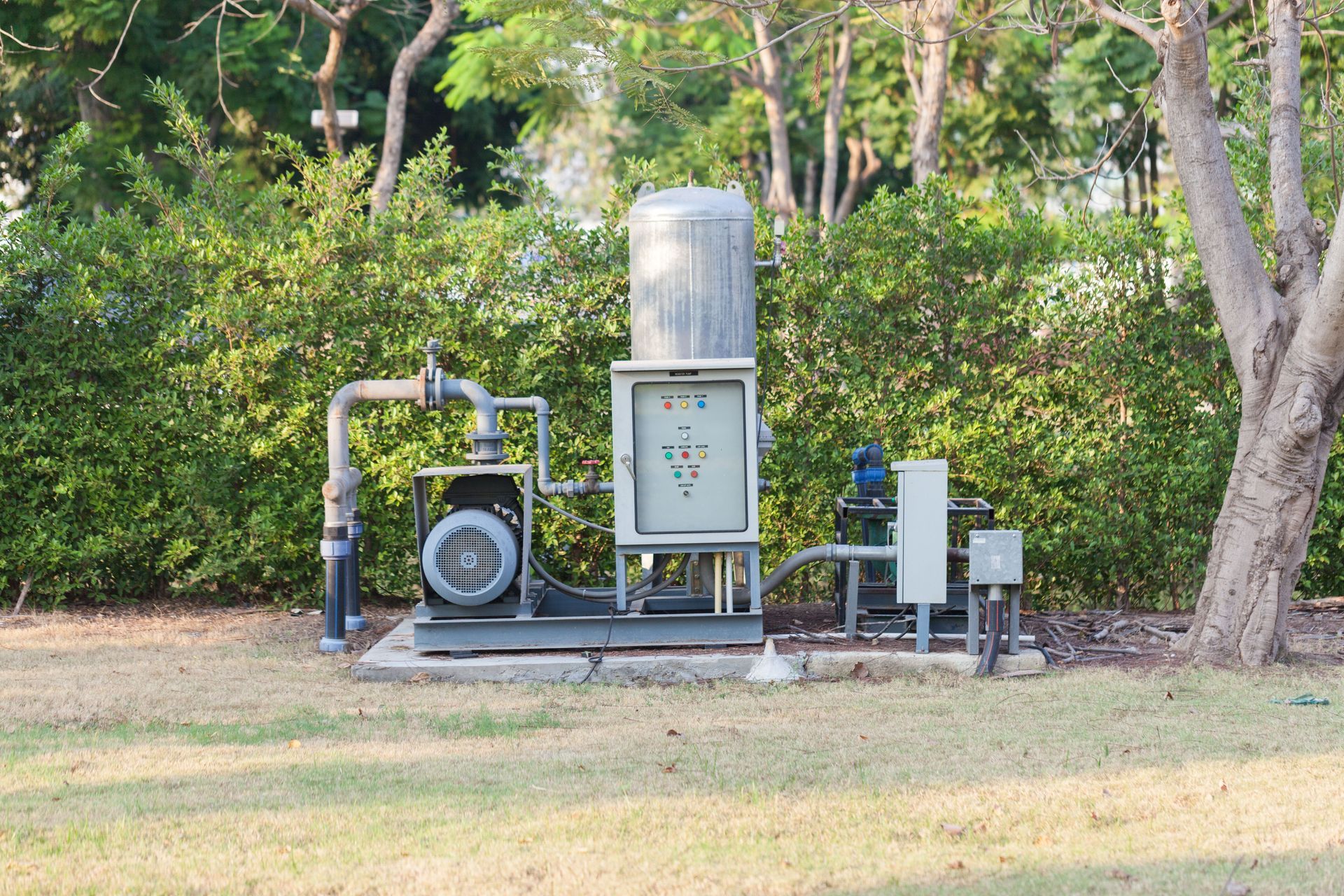
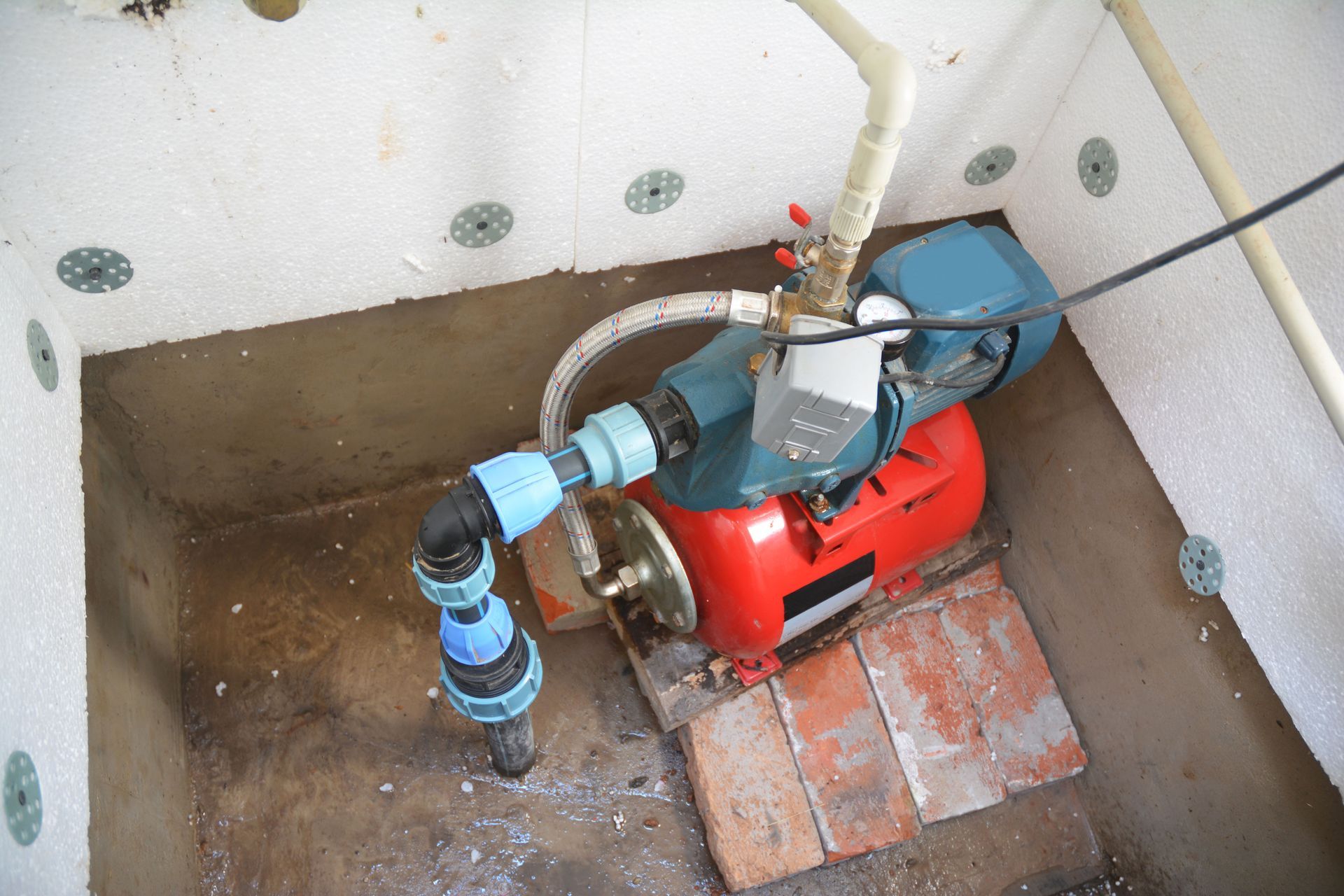
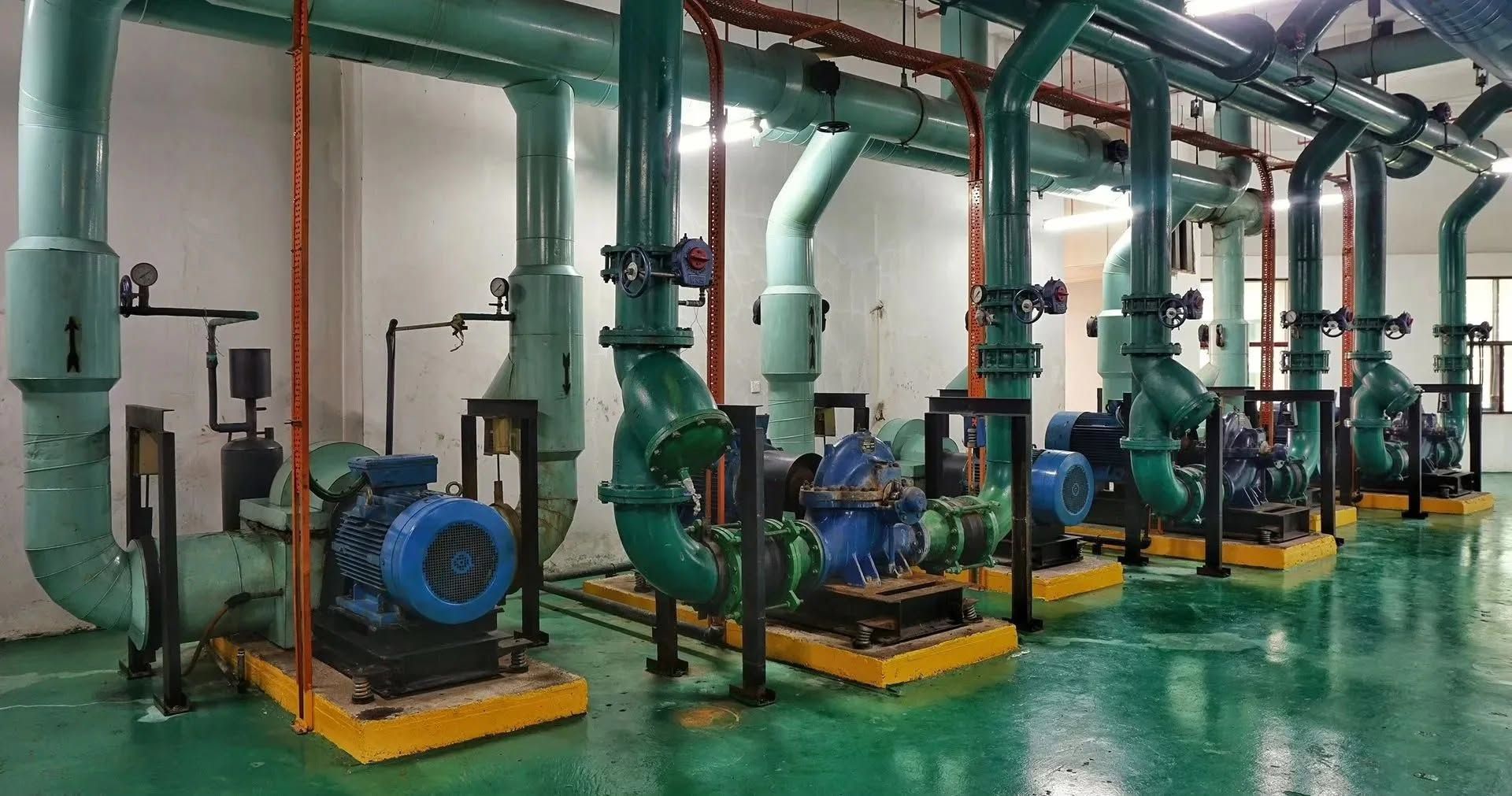
Wastewater lift stations play a critical role in moving sewage from lower to higher elevations when gravity alone isn’t enough. These systems are essential in areas with flat terrain or where the natural slope does not allow wastewater to flow efficiently. By using pumps, valves, and control systems, lift stations ensure that wastewater reaches treatment facilities without interruption.
Because they operate continuously and often under demanding conditions, lift stations are subject to wear and tear over time. When components begin to fail, the consequences can be serious, including backups, overflows, and environmental hazards. This is why lift station repair becomes an essential service for municipalities, commercial properties, and industrial facilities that rely on consistent wastewater management.
In addition to their operational importance, lift stations contribute to public health and environmental protection. Properly functioning systems prevent untreated wastewater from entering natural waterways, reducing the risk of contamination and ecosystem damage. By investing in routine inspections and timely lift station repair, property owners and municipalities can maintain compliance with regulations while ensuring their systems continue to operate safely and efficiently.
Recognizing the Common Causes of System Failure
Several factors can contribute to lift station failure, and understanding these causes is the first step toward prevention. Mechanical wear is one of the most common issues, as pumps and motors operate for extended periods and eventually degrade. Electrical failures can also occur, particularly when control panels or wiring systems become outdated or damaged.
Clogging is another major concern. Debris such as grease, wipes, and other non-biodegradable materials can accumulate within the system, restricting flow and placing additional strain on pumps. Over time, this can lead to breakdowns that require immediate attention and lift station repair to restore proper function. Environmental conditions also play a role. Heavy rainfall, flooding, or groundwater infiltration can overwhelm the system, increasing pressure on components and accelerating deterioration. When multiple factors combine, the risk of failure becomes even greater.
Identifying Warning Signs Before Failure Occurs
Early detection is key to avoiding major disruptions. Lift stations often exhibit warning signs before a complete failure happens, and recognizing these indicators can help property owners take action sooner rather than later.
Unusual noises coming from pumps or motors may signal mechanical issues, while frequent cycling can indicate inefficiencies within the system. Foul odors are another red flag, often pointing to blockages or improper ventilation.
Additionally, alarm systems or sudden increases in energy usage can suggest that the station is not operating as it should. By paying attention to these warning signs, operators can schedule lift station repair before problems escalate. This proactive approach not only minimizes downtime but also reduces the overall cost of repairs.
Evaluating the Impact of Delayed Maintenance
Ignoring maintenance needs can lead to significant consequences for lift station systems. Small issues, such as minor clogs or worn components, can quickly develop into major failures if left unaddressed. This can result in system shutdowns, costly emergency repairs, and potential regulatory violations.
Delayed maintenance also increases the risk of environmental contamination.
Wastewater overflows can pose serious health hazards and lead to fines or legal issues for property owners. In addition, prolonged system inefficiencies can drive up energy costs and reduce the overall lifespan of equipment. Regular inspections and timely lift station repair help mitigate these risks. By addressing problems early, operators can maintain system reliability and avoid the cascading effects of neglect.
Applying Professional Diagnostic and Repair Methods
When a lift station begins to malfunction, accurate diagnosis is essential for effective repair. Professionals use a combination of visual inspections, performance testing, and advanced diagnostic tools to identify the root cause of the issue.
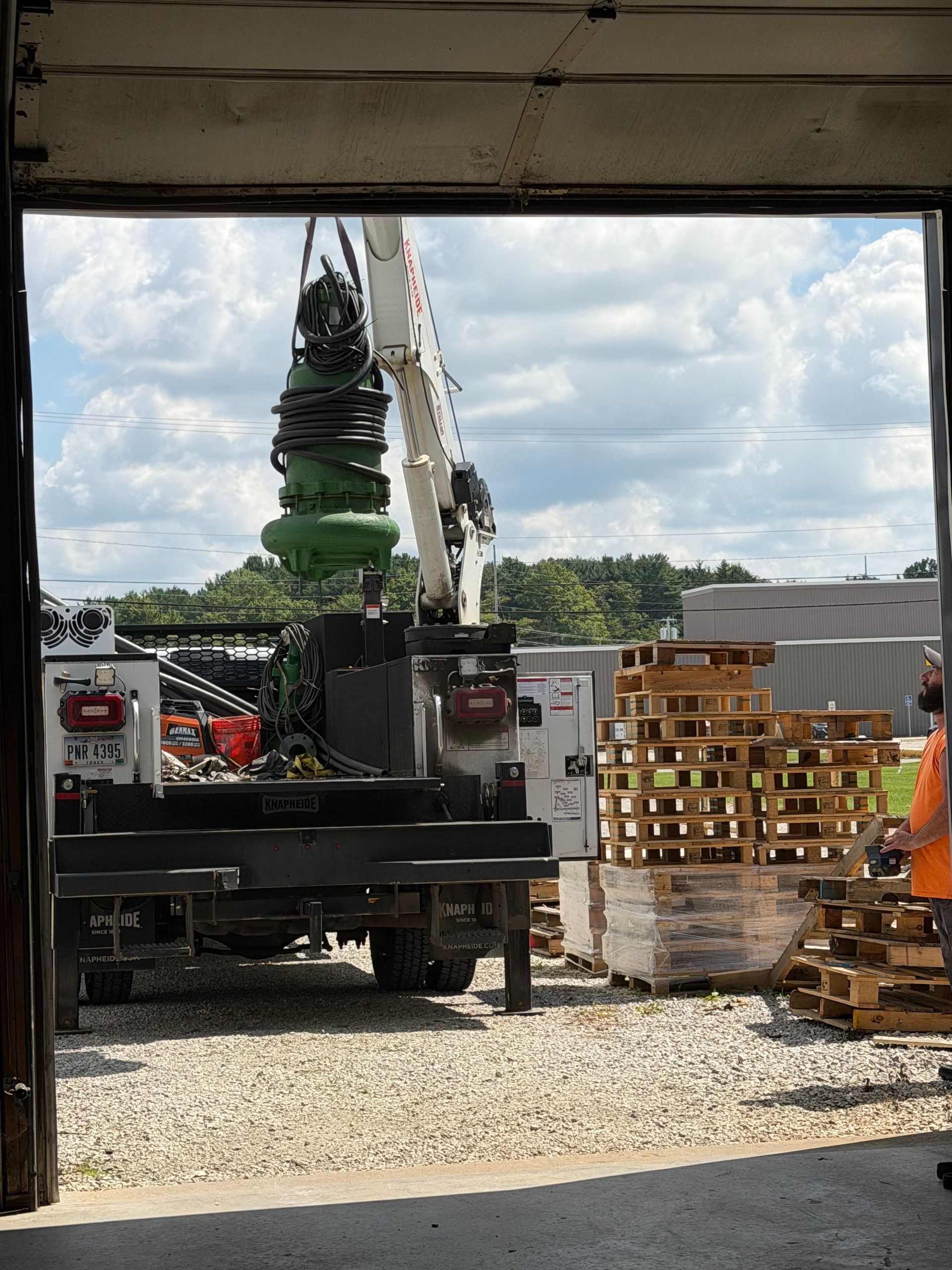
Once the problem is identified, the repair process may involve replacing worn components, clearing blockages, or upgrading outdated systems. In some cases, technicians may recommend retrofitting the station with newer technology to improve efficiency and reliability. Experienced providers of lift station repair understand that each system is unique. They tailor their approach to the specific needs of the station, ensuring that repairs are both effective and long-lasting. This level of precision helps restore functionality while preventing recurring issues.
Improving System Performance Through Modern Solutions
Advancements in technology have significantly improved the way lift stations are monitored and maintained. Modern systems often include smart sensors, remote monitoring capabilities, and automated controls that provide real-time data on system performance.
According to Strategic Market Research, a smart control and optimization solution for municipal wastewater pumps had already been tested across more than 30 wastewater stations throughout the United States by early 2024, demonstrating that digital upgrades are expanding beyond isolated trials into broader, multi-location implementations. This trend highlights the growing importance of integrating technology into wastewater management systems. By incorporating these innovations, lift station repair professionals can enhance system efficiency and reduce the likelihood of future failures. Real-time monitoring allows for quicker response times, while data-driven insights help identify patterns and optimize performance.
Preventing Future Failures With Routine Maintenance
Preventative maintenance is one of the most effective ways to reduce the risk of lift station failure. Regular inspections, cleaning, and component testing help ensure that the system operates smoothly and efficiently.
Maintenance tasks may include removing debris, checking pump performance, inspecting electrical systems, and verifying that alarms and controls are functioning properly. These routine measures help identify potential issues before they become serious problems. Incorporating a maintenance plan alongside lift station repair services provides a comprehensive approach to system care. This not only extends the lifespan of equipment but also improves reliability and reduces unexpected downtime.
Extending Equipment Lifespan Through Strategic Upgrades
Over time, even well-maintained lift stations may require upgrades to keep up with evolving demands. Aging components can become less efficient and more prone to failure, making replacement a practical option.
Upgrading pumps, control systems, and monitoring technology can significantly improve performance and reliability. These enhancements often lead to energy savings, reduced maintenance needs, and better overall system efficiency. By combining upgrades with regular lift station repair, operators can extend the lifespan of their systems and ensure that they continue to meet operational requirements. This strategic approach helps maximize the value of existing infrastructure.
The quality of repair work plays a major role in the long-term performance of a lift station. Choosing experienced professionals ensures that repairs are completed correctly and that potential issues are thoroughly addressed. Reputable service providers prioritize detailed assessments, clear communication, and high-quality workmanship. They take the time to understand the unique challenges of each system and develop solutions that align with specific needs.
Working with a dependable team for lift station repair helps build confidence in the reliability of the system. It also ensures that future maintenance and repairs are handled with the same level of care and expertise.
Lift station failures can disrupt operations, increase costs, and create serious environmental concerns. Understanding the causes of failure and the importance of timely repairs is essential for maintaining a reliable system. From identifying warning signs to implementing preventative maintenance and modern upgrades, every step plays a role in ensuring long-term performance.
Lift station repair is not just about fixing problems — it’s about protecting infrastructure and supporting efficient wastewater management. If your system is showing signs of wear or you want to prevent future issues, now is the time to act. Contact Pump Systems LLC today to schedule an inspection and learn how our team can provide dependable solutions tailored to your lift station’s needs.