April 6, 2026
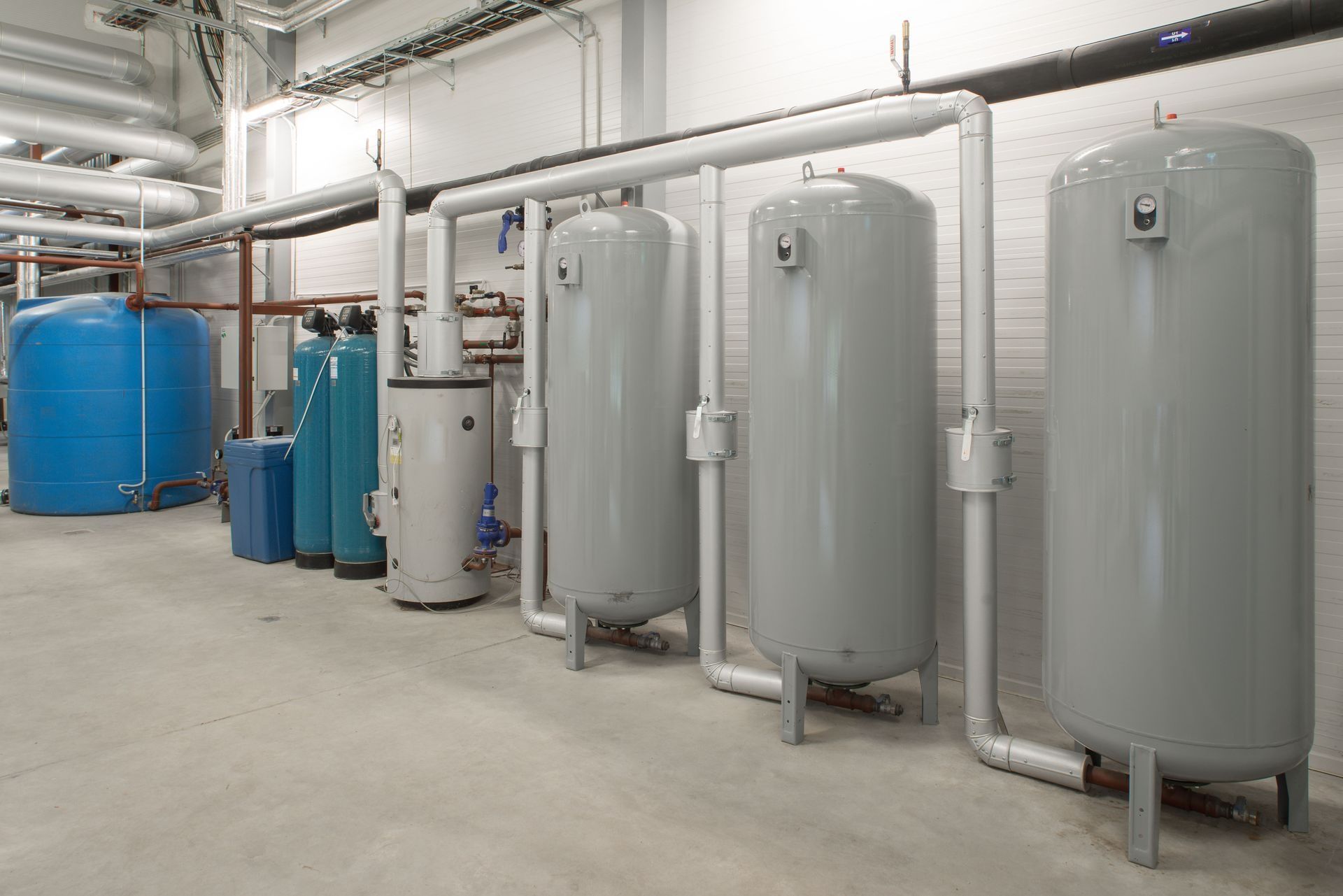
Understanding the maintenance of commercial pumping systems is crucial for facility managers. These systems are essential to building operations, supporting HVAC, water supply, and wastewater management. This article provides the knowledge and strategies needed to maintain efficiency, reliability, and longevity while minimizing downtime and costs.
The Role of Pumping Systems in Modern Facilities
Commercial pumping systems form the backbone of modern infrastructure. They enable consistent water delivery, heating and cooling circulation, and wastewater removal. When properly managed, they support energy efficiency and help avoid costly disruptions. Facility managers must recognize that these systems directly affect operational performance and safety.
Aging infrastructure poses significant challenges for facility managers. According to the Center for Sustainable Systems, about 44% of sewer pipes were estimated to be deteriorated in 2020, increasing from only 10% in 1980. This growing issue underscores the importance of proactive maintenance and timely upgrades.
Additionally, efficient pumping operations align with environmental sustainability goals. Optimizing energy use and reducing waste benefit both the facility’s reputation and its bottom line. Integrating green practices into daily operations not only ensures compliance with evolving regulations but also enhances overall performance.
Understanding the Main Types of Pumping Systems
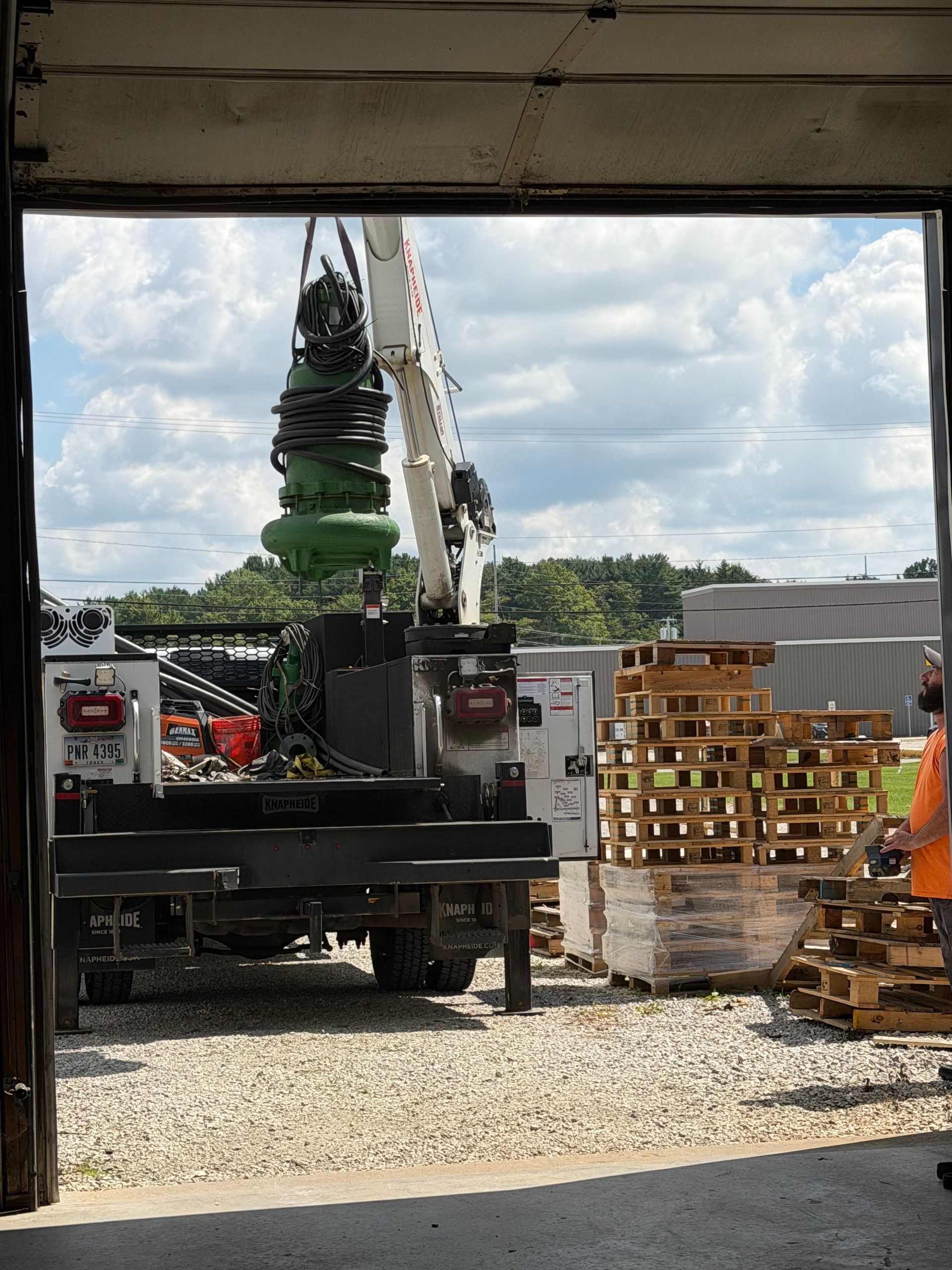
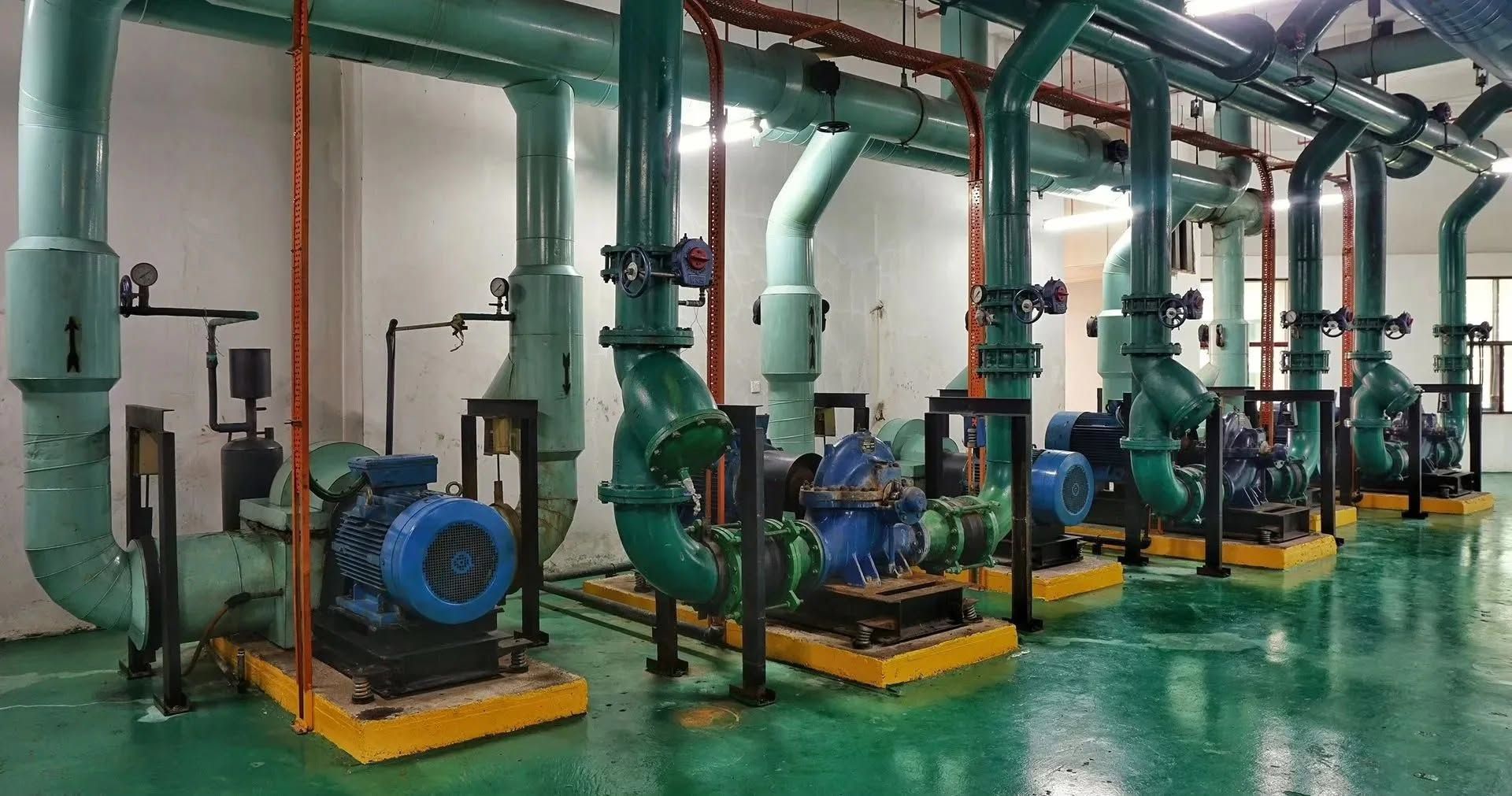
Facility managers often oversee multiple types of commercial pumping systems, each suited to specific purposes. Centrifugal pumps are common for water circulation due to their efficiency, while positive displacement pumps handle precise flow requirements in high-viscosity applications. Submersible pumps are ideal for wastewater or groundwater systems.
Selecting the right pump begins with evaluating operational needs—pressure, flow rate, and fluid characteristics. Collaborating with engineers helps ensure that chosen systems are appropriately sized and optimized for the intended use. Proper selection reduces long-term energy costs and ensures consistent performance.
Maintenance requirements vary across pump types. Understanding these differences enables facility managers to create targeted maintenance schedules, minimizing breakdowns and extending equipment life. Knowledge-driven planning is essential for operational resilience and cost control.
By tailoring maintenance routines to each specific pump type, facilities can also optimize energy usage and system performance. For instance, centrifugal pumps may require frequent impeller cleaning to maintain efficiency, while positive displacement pumps benefit from regular seal inspections to prevent leaks. Establishing a proactive maintenance plan based on manufacturer recommendations and real-time performance data allows managers to detect wear patterns early, schedule necessary repairs efficiently, and avoid costly unplanned downtime.
Key Components and Their Maintenance
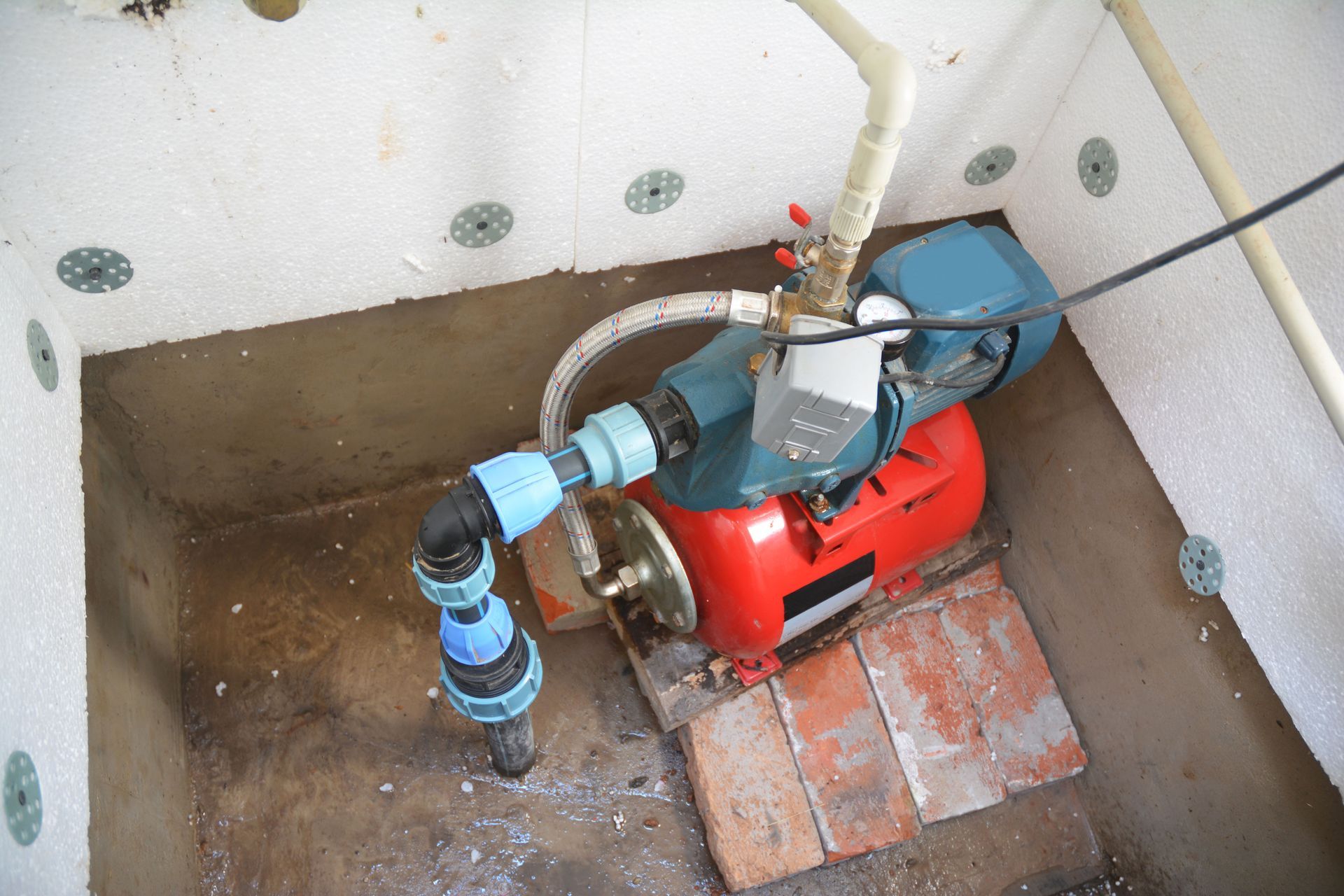
A commercial pumping system consists of interconnected components—pumps, motors, seals, bearings, and valves—that work together to move fluids efficiently. Each part requires regular inspection to ensure system integrity. Faulty seals can lead to leaks and pressure loss, while bearing wear can cause friction, noise, and eventual system failure.
Ensuring all parts function harmoniously reduces the risk of cascading mechanical issues. Managers should develop maintenance plans that track performance trends and address small irregularities before they escalate. Monitoring and adjusting component interactions maintain reliability and improve operational stability.
Understanding how these elements interact also helps with troubleshooting. Maintenance teams that grasp system interdependencies can quickly identify and resolve issues, keeping systems running efficiently and safely.
Fundamental Operational Principles
Operating commercial pumping systems effectively requires managing pressure, flow rate, and energy use. These parameters determine system efficiency and the quality of fluid transfer. Facility managers who understand these fundamentals can fine-tune operations to maximize performance and reduce wear.
System efficiency depends heavily on variables such as fluid viscosity and temperature. Regularly monitoring these factors allows managers to make precise adjustments. Many facilities now employ real-time analytics and smart controls to maintain optimal flow and pressure.
Continued education is vital for staff to stay current on operational best practices. Professional training and certification programs strengthen technical skills and encourage data-driven decision-making, resulting in smoother operations and longer system life.
Incorporating ongoing education also helps teams adapt to emerging technologies in the water and wastewater industry. Modern pump systems increasingly rely on automation, smart sensors, and digital monitoring platforms that require updated technical knowledge to operate effectively. Training programs that address these innovations empower employees to detect inefficiencies early, interpret performance data accurately, and implement timely corrective measures—ultimately enhancing both reliability and productivity.
Additionally, prioritizing staff development fosters a culture of accountability and continuous improvement within the organization. Well-trained employees are more confident in troubleshooting complex issues, maintaining compliance with safety regulations, and optimizing system performance. This commitment to professional growth not only reduces downtime and repair costs but also positions the facility as a leader in operational excellence and environmental responsibility.
Common Applications and Industry Relevance
The versatility of commercial pumping systems extends across industries—supporting HVAC, wastewater management, and water treatment. In HVAC applications, pumps regulate temperature by circulating fluids, while wastewater pumps ensure sanitation and compliance with environmental standards. Water treatment systems rely on pumps for filtration, chemical dosing, and purification.
Facility managers must adapt their maintenance practices to each application’s demands. For example, wastewater pumps require frequent inspection to prevent clogs and contamination. In contrast, HVAC pumps need alignment and balance checks to maintain energy efficiency.
The aging of national infrastructure—evidenced by the Center for Sustainable Systems’ data on deteriorated sewer pipes—highlights the need for proactive management. Anticipating wear and planning upgrades helps sustain operational capacity and public safety while preventing system failures.
Essential Maintenance Practices for Reliability
Routine inspections are the foundation of successful maintenance programs. Regular assessments detect early signs of leaks, vibration, or inefficiency before major failures occur. Detailed inspection logs help track performance and support predictive maintenance scheduling.
Lubrication and wear management are equally important. Bearings, seals, and rotating parts must be lubricated properly to minimize friction and overheating. Selecting the correct lubricant for environmental and operational conditions extends component life.
Proper alignment between pumps and motors also ensures efficient operation. Misalignment increases vibration, power consumption, and wear. Using precision laser tools for alignment verification minimizes energy loss and prolongs component longevity.
Cleaning and flushing procedures prevent sediment buildup, ensuring unobstructed fluid flow and compliance with industry standards. Automated flushing and filtration systems can streamline these processes, reducing manual intervention while enhancing effectiveness.
Troubleshooting and Problem Prevention
Flow irregularities, cavitation, and vibration are common problems that can compromise commercial pumping systems. Installing flow meters and pressure sensors helps identify these issues early. Quick action prevents small deviations from escalating into mechanical failures.
Cavitation, often caused by improper suction conditions, can erode impellers and degrade performance. Adjusting operating parameters and monitoring inlet pressures can reduce the risk. Vibration problems may result from imbalanced rotors or misalignment; regular vibration analysis helps detect these issues before they become severe.
Electrical problems, such as power fluctuations or faulty wiring, also affect pump reliability. Regular testing using thermal imaging and voltage monitoring ensures safe, efficient operation. Partnering with qualified electrical specialists enhances system diagnostics and prevents costly downtime.
The successful management of
commercial pumping systems requires a balance of technical expertise, proactive maintenance, and strategic planning. By understanding system components, selecting appropriate equipment, and applying modern monitoring tools, facility managers can prevent failures, improve energy efficiency, and extend system lifespan.
Routine inspections, precise lubrication, accurate alignment, and data-driven diagnostics all contribute to a reliable and efficient pumping infrastructure. For expert assistance in maintaining and optimizing your systems, contact Pump Systems LLC today. Their comprehensive services and proven expertise ensure that your facility’s pumping operations continue to perform at peak efficiency and reliability.