July 28, 2026
The modern world relies on unseen infrastructure to keep operations running smoothly across various sectors. Whether it involves moving water, chemicals, or other essential fluids, mechanical networks do the heavy lifting behind the scenes. Without these powerful mechanisms, civilization would quickly grind to a highly disruptive halt.
Among these mechanisms, a commercial pumping system stands as the backbone of countless operational facilities. This industrial equipment is specifically designed to handle immense volumes of liquid with incredible efficiency and unwavering reliability. As global infrastructure continues to expand rapidly, the urgent demand for these advanced mechanical solutions grows exponentially every single year.
The financial data surrounding this particular sector clearly illustrates just how critical fluid movement technology has become globally. According to Mordor Intelligence, market analysts project that the global pump industry's overall valuation will climb to $70.82 billion by 2026. This immense financial projection highlights the increasing reliance that multinational corporations place on dependable liquid transport technology.
Understanding the applications of this machinery helps illuminate why capital is invested in fluid dynamics. Different sectors face unique challenges that require highly specialized equipment to overcome daily operational and logistical hurdles. By examining specific fields, we can truly appreciate the incredible versatility and sheer power of modern fluid transport machinery.
Supplying Water for Agricultural Operations
The agricultural industry serves as the foundation of our complex global food supply chain. To produce enough crops to feed billions of people, farmers must constantly manage massive amounts of essential water resources. Irrigation networks rely entirely on continuous fluid movement to deliver life-sustaining moisture to parched fields during dry summer seasons.
Implementing a commercial pumping system allows agricultural enterprises to transport water across vast expanses effortlessly. These mechanical units draw from deep underground aquifers or distant reservoirs to ensure vulnerable crops receive consistent, daily hydration. Without this powerful machinery, large-scale farming would simply be impossible in arid regions that lack frequent natural rainfall.
Modern farming operations also utilize these mechanisms to distribute liquid fertilizers and pesticides across their acreage. By mixing chemical nutrients with water, farmers can efficiently nourish their crops while simultaneously defending them from destructive insect infestations. This particular method of distribution dramatically reduces manual labor costs while significantly increasing the overall yield of the annual harvest.
Furthermore, livestock management requires a continuous supply of clean drinking water to maintain animal health. Dairy farms and massive cattle ranches utilize automated troughs that refill automatically whenever the liquid levels drop below a specific threshold. These automated feeding environments depend entirely on reliable fluid transport equipment to function seamlessly without requiring constant human supervision.
Dewatering Sites in the Construction Field
Before the foundation of any massive skyscraper can be successfully laid, construction crews must prepare the surrounding earth thoroughly. Groundwork often reveals subterranean water tables that can quickly flood a freshly excavated site if left completely unmanaged by the crew. Excess moisture severely destabilizes the soil, creating incredibly hazardous working conditions for both heavy machinery operators and manual laborers.
To resolve these critical flooding issues, contractors will temporarily install a heavy-duty commercial pumping system directly into the open trench. This specialized equipment rapidly evacuates the encroaching groundwater, directing it safely away from the highly vulnerable structural excavation zone. By actively removing the intrusive moisture, construction crews can safely pour solid concrete foundations without fearing catastrophic structural compromises.
Urban construction projects face even more complex logistical challenges due to the dense proximity of existing municipal underground infrastructure. Broken city pipes or sudden torrential downpours can quickly submerge a subterranean parking garage project in mere minutes if ignored. Emergency fluid extraction units must be readily available on-site to swiftly mitigate these sudden catastrophic liquid inundations before damage occurs.
Beyond simple groundwater management, the modern construction industry heavily relies on advanced fluid mechanics to transport highly viscous building materials. Specialized concrete delivery units push heavy cement mixtures vertically up the exterior sides of towering skyscrapers during the initial framing process. This vital mechanical assistance eliminates the urgent need for slow, highly dangerous manual material transport via elevated construction cranes.
Processing Fluids Within Manufacturing Plants
The global manufacturing sector encompasses a massive variety of production facilities that create everything from consumer electronics to life-saving pharmaceuticals. Regardless of the specific product being actively produced, almost every factory utilizes complex networks of internal industrial piping. These intricate pipe layouts seamlessly facilitate the rapid movement of essential chemical compounds, cooling liquids, and industrial cleaning solvents.
In the competitive food and beverage industry, complete sanitation and precise liquid measurement are absolutely critical to the manufacturing process. Facilities that bottle soft drinks or pasteurize milk require specialized equipment that can be easily sterilized between daily production runs. Incorporating a sanitary commercial pumping system ensures that consumable liquids are quickly moved without ever risking dangerous bacterial or viral contamination.
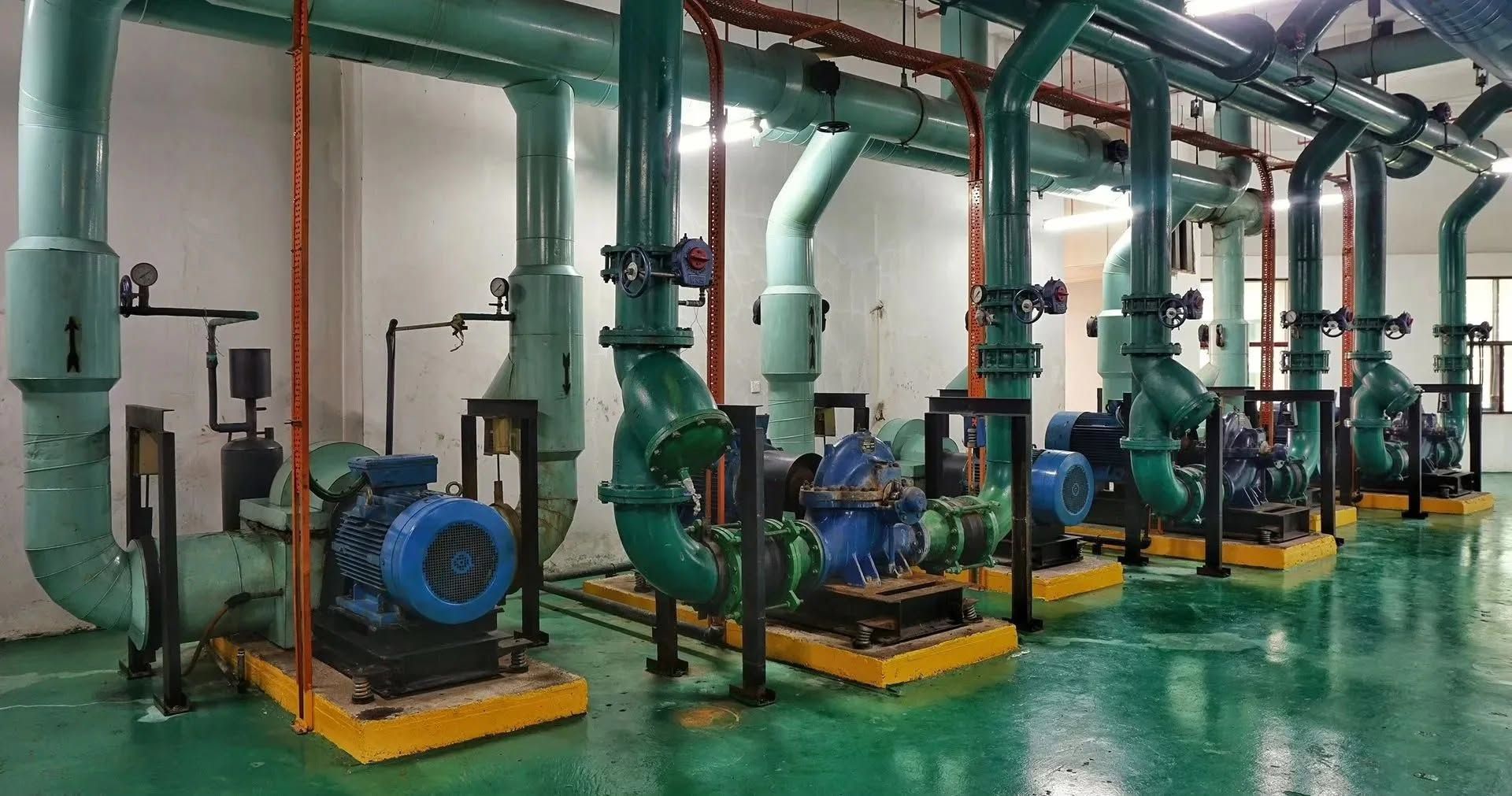
Heavy industrial manufacturing, such as structural steel production or automotive assembly, faces a completely different set of extreme fluid management challenges. These massive factories consistently generate incredible amounts of heat, requiring the continuous circulation of cooling water to prevent catastrophic machinery meltdowns. A specialized commercial pumping system pushes freezing water through the active equipment, quickly absorbing the dangerous thermal energy before cycling away.
The chemical synthesis industry also relies heavily on customized mechanical solutions to safely transport highly corrosive acids and volatile organic solvents. Standard metal pipes and traditional valves would rapidly dissolve if consistently exposed to these aggressively toxic industrial substances over time. Therefore, engineering teams deliberately construct another specialized commercial pumping system using advanced durable polymers and highly corrosion-resistant metal alloys exclusively.
Managing Wastewater in Municipal Facilities
Every major city heavily depends on hidden subterranean infrastructure to keep urban environments completely clean and highly sanitary for residents. Whenever a citizen washes their hands, takes a long shower, or flushes a toilet, the resulting wastewater must go somewhere immediately. Complex municipal networks quietly carry this massive volume of dangerous biological waste away from densely populated suburban neighborhoods and commercial districts.
Because these sprawling underground sewer pipelines cannot constantly rely on natural gravity alone, massive civic treatment plants must mechanically assist the flow. A centralized commercial pumping system applies immense directional pressure to push millions of gallons of raw sewage toward the designated filtration facilities. Without this vital directional force, raw biological waste would quickly back up into residential homes, causing a massive public health crisis rapidly.
Once the wastewater arrives at the regional treatment facility, it must undergo several rigorous stages of intense chemical and biological purification. Specialized extraction units violently churn the contaminated liquid, separating heavy solid waste materials from the murky water. This initial mechanical separation is absolutely crucial for allowing the subsequent bacterial treatments to successfully neutralize the remaining invisible biological hazards.
After the intensive purification process is finally complete, the freshly sanitized water is safely released back into local rivers, lakes, or oceans. Municipal engineers must constantly monitor the powerful mechanical units that manage this final environmental discharge to prevent accidental localized flooding events. Maintaining this vital civic equipment ensures that growing urban populations can continue expanding without ultimately destroying their own surrounding natural ecosystems.
The sheer complexity of modern industrial operations clearly dictates an absolute necessity for highly reliable fluid management technologies across the board. Whether it is watering vast agricultural fields or safely treating hazardous municipal sewage, fluid transport mechanisms are the undeniable lifeblood of civilization. Upgrading and actively maintaining a
commercial pumping system remains a top priority for any organization looking to maintain long-term operational success.
As the global economy continues to expand rapidly, the technological advancements in this crucial sector will undoubtedly become even more incredibly impressive. Companies that fail to heavily invest in robust liquid transport infrastructure will inevitably fall behind their more forward-thinking and heavily prepared industrial competitors. Fortunately, securing the absolute best mechanical solutions for your specific operational needs has never been easier or more financially accessible than today.
If you are ready to revolutionize your industrial operations, we at Pump Systems LLC are here to expertly guide you. Our dedicated team of mechanical professionals will help you select the perfect equipment to maximize your facility's fluid management efficiency. Please contact us today to schedule a comprehensive consultation and take the first step toward optimizing your liquid transport infrastructure!