July 7, 2026
With the increasing strain on wastewater infrastructure, optimizing pump performance ensures sustainability, regulatory compliance, and environmental protection. Pump maintenance is a cornerstone in managing costs, improving operational efficiency, and reducing environmental impacts associated with wastewater operations. As municipalities face increased challenges related to urbanization and climate change, proper maintenance helps to uphold system integrity. Join us as we delve into the complexities and importance of scheduled pump maintenance, types of pumps, common problems, training, and their broader economic and environmental impact.
Understanding Municipal Wastewater Systems
The Role of Pumps in Wastewater Management
Pumps are essential components of wastewater systems, facilitating the transportation of effluent through various treatment stages. They ensure the continuous flow of wastewater from residential, commercial, and industrial sources. In treatment plants, pumps are used to move water between different treatment chambers. The effective functioning of these pumps determines the efficiency and reliability of the entire wastewater treatment system. Regular maintenance is therefore critical to prevent inefficiencies and operational disruptions.
Importance of Efficient Pump Operations
Efficient pump operations mitigate the risk of equipment failure and service interruptions. When pumps operate efficiently, energy consumption is reduced, leading to lower operational costs. Additionally, efficient pumps contribute to environmental sustainability by minimizing the carbon footprint of the treatment process. Properly maintained pumps can also extend the lifespan of wastewater infrastructure, delaying costly replacements. Ultimately, effective pump operations support seamless wastewater management, contributing to public health and safety.
Types of Pumps Used in Wastewater Systems
Centrifugal Pumps
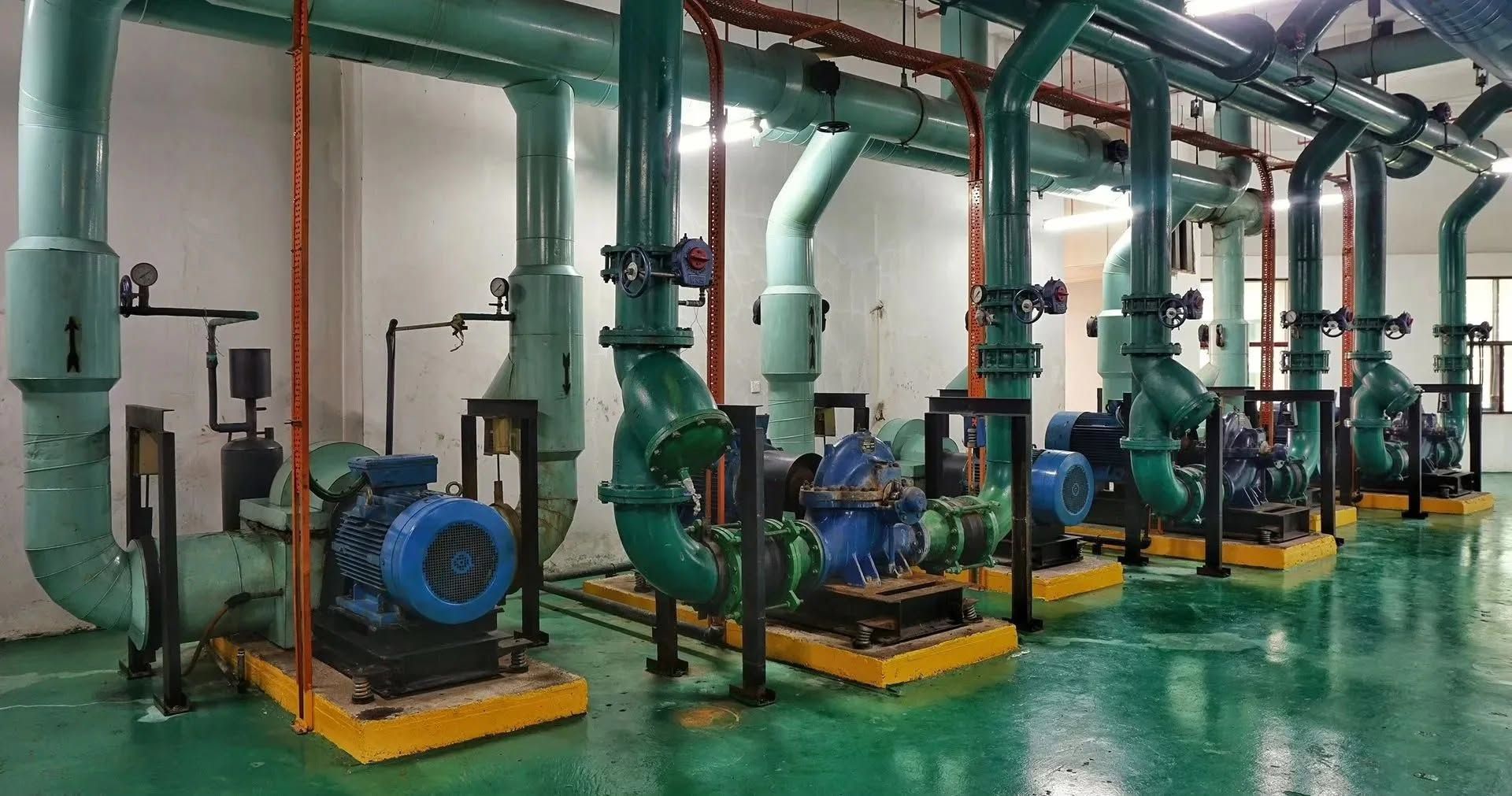
Centrifugal pumps are commonly used in wastewater systems due to their simplicity and effectiveness in transporting large volumes of water. They operate by converting rotational kinetic energy into hydrodynamic energy. These pumps are known for their reliability and are often used in applications where continuous and heavy-duty service is required. However, they can be prone to issues such as cavitation, necessitating regular inspections and maintenance. Upgrading to more efficient centrifugal pump models can offer operational savings and reduce energy consumption.
Positive Displacement Pumps
Positive displacement pumps are vital in handling high-viscosity fluids and applications requiring precise flow control. They work by trapping a fixed amount of fluid and forcing it through the pump's outlet, making them suitable for sludge and slurry transfer in wastewater treatment. Maintenance procedures for these pumps include checking seals and bearings regularly. Their ability to maintain a steady flow regardless of pressure changes makes them reliable in challenging operational environments. Regular maintenance is critical to preventing problems such as leaks and reduced efficiency.
Submersible Pumps
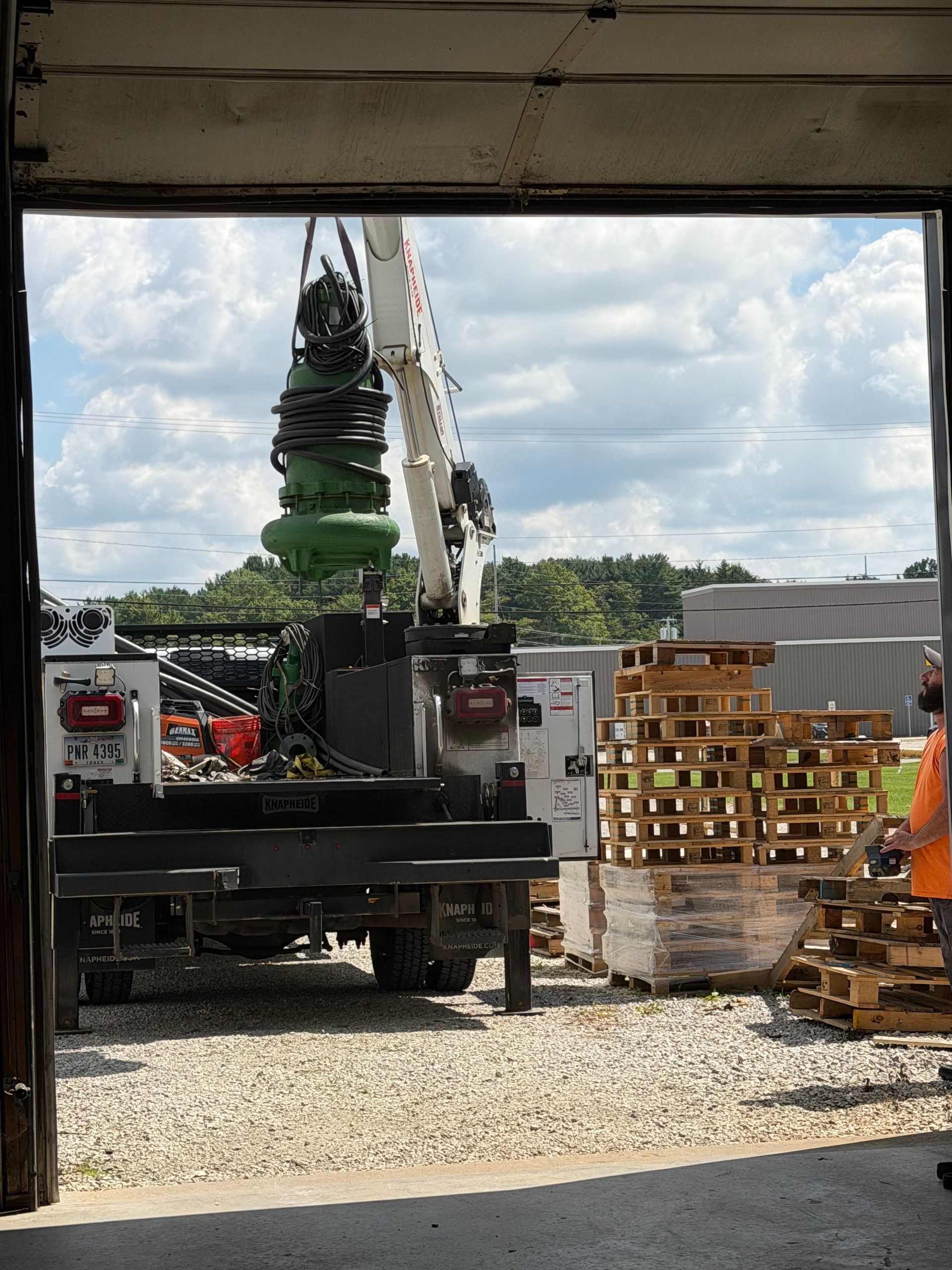
Submersible pumps are installed directly into the wastewater medium, making them ideal for applications where space is a constraint. They are sealed units designed to prevent water ingress, ensuring reliable operation in submerged conditions. The primary advantage of submersible pumps is their quiet operation and efficient use of space. Nevertheless, improper maintenance can lead to electrical issues and reduced operational lifespan. Routine inspections and adherence to manufacturers’ guidelines are vital to preserving submersible pump performance.
Scheduled Maintenance Practices for Pumps
Routine Inspection Procedures
Scheduled maintenance begins with regular inspections to identify wear and tear early. Visual inspections often reveal leaks, loose fittings, and other potential problems. Regularly scheduled inspections should include checking for unusual vibrations, noises, and temperature fluctuations in pump operations. These inspections can prevent minor issues from escalating into major failures, thus reducing downtime. Detailed record-keeping during each inspection session aids in diagnosing recurring issues and forms the basis of an effective preventive maintenance plan.
Preventive vs. Predictive Maintenance
Preventive maintenance involves routine servicing at pre-determined intervals regardless of pump condition, focused on minimizing the risk of failure. Predictive maintenance, on the other hand, relies on real-time data to predict when a pump is likely to fail, allowing for maintenance to be performed just in time. Sensors and IoT technologies are increasingly enabling predictive maintenance, offering substantial cost savings. This approach minimizes unnecessary maintenance activities and enhances resource allocation. Both strategies, when properly implemented, can extend pump lifespan and reduce operational costs significantly.
Lubrication and Replacement Schedules
Lubrication is crucial to maintaining moving parts within pumps, reducing friction, and preventing overheating. Regular lubrication schedules prevent wear and reduce the risk of bearing failure. Replacement of critical components like seals, bearings, and impellers at scheduled intervals can assure continued performance. Adhering to the manufacturer's guidelines for lubrication and parts replacement extends the operational life of pumps. Neglecting these practices can lead to increased operational costs from unplanned downtimes and repairs.
Common Pump Problems and Solutions
Cavitation and Its Prevention
Cavitation is a common issue where vapor bubbles form in the pump, causing noise and damage to components. It typically results from low-pressure conditions within the pump and can lead to severe operational inefficiencies. Maintaining the correct pressure levels and ensuring adequate supply flow can prevent cavitation. Installing proper valves and using advanced sensors for flow and pressure monitoring are also critical prevention measures. Regular checks on pump systems can help in the early detection and resolution of cavitation-related issues.
Seal and Bearing Failures
Seal and bearing failures are notorious for causing operational disruptions in wastewater pumps. The failure of seals can lead to leaks, contamination, and increased maintenance costs. Bearings, when worn out, can produce excessive vibration and noise, leading to even greater damage over time. Routine inspections, timely lubrication, and using high-quality components can mitigate these issues. Implementing a predictive wastewater pump repair strategy can further help to detect early signs of wear and schedule timely repairs.
Clogging and Blockages
Clogging is a prevalent problem in wastewater systems, caused by solids and debris obstructing the flow. This can lead to increased energy usage and potential pump damage. Regular maintenance and inspections are crucial to clearing blockages and maintaining efficient operations. Installing effective screening mechanisms and regular cleaning schedules can help to minimize clogging incidents. Training personnel on proper system monitoring and reporting can also play a significant role in preventing and resolving blockages.
Training and Workforce Development
Importance of Skilled Technicians
Skilled technicians are the backbone of effective wastewater pump repair in wastewater management systems. Their ability to diagnose and resolve issues quickly can prevent system downtimes. Continuous training ensures they are familiar with the latest technologies and best practices in pump maintenance. Investments in upskilling can lead to improved pump performance and reduced operational costs. According to Data Horizon Research, with the global wastewater pump repair services market expected to grow to $12.5 billion by 2033, there is a clear demand for skilled technicians.
Educational Programs and Certifications
Educational programs and certifications are critical for equipping technicians with the necessary skills for wastewater pump repair. These programs often cover fundamentals of pump technologies, troubleshooting, and maintenance strategies. Certifications provide a structured path for developing professionalism and expertise. Municipalities and wastewater facilities often collaborate with educational institutions to offer tailored courses and certification programs. Such initiatives are crucial in maintaining a skilled workforce capable of meeting the industry's evolving needs.
Effective wastewater pump repair is integral to the management of municipal wastewater systems. By understanding pump technology, practicing regular maintenance, solving common issues, and investing in workforce development, municipalities can achieve economic savings, regulatory compliance, and environmental sustainability. As the global pump repair services market continues to grow, the emphasis on skilled maintenance personnel and advanced technologies will only increase. Through strategic maintenance practices, municipalities can ensure the longevity and reliability of their wastewater infrastructure. This investment in maintenance ultimately supports public health, environmental protection, and operational efficiency. To learn even more about municipal wastewater management or request quality service, the pros over at Pump Systems LLC are happy to help.