July 29, 2026
Pump systems are among the most critical components of any industrial, commercial, or municipal operation, and their failure rarely happens without warning if the people responsible for maintaining them know what to look and listen for during routine operations. The challenge is that the earliest warning signs of developing pump failure are often subtle enough to be dismissed as normal operating variation rather than recognized as meaningful indicators that a problem is taking shape beneath the surface. Facilities throughout Ohio that develop the habits and the professional relationships needed to catch these signs early consistently avoid the emergency shutdowns, environmental compliance issues, and costly unplanned repairs that reactive maintenance approaches produce when problems are not identified until they have fully manifested. Understanding what the most reliable early warning signs look like gives every maintenance team a better toolkit for protecting the systems that their operations genuinely cannot afford to have fail.
Understanding the Scale of What These Systems Support
According to the Center for Sustainable Systems, over 17,000 Publicly Owned Treatment Works manage wastewater, with nearly 2 million miles of piping serving over 270 million people, which illustrates the extraordinary scale of the infrastructure that pump systems support and the critical importance of maintaining them to a standard that prevents the system-wide consequences of individual pump failures. An industrial pump repair service that is engaged as a proactive maintenance partner rather than called only in crises gives facilities access to expert diagnostic expertise that early warning sign identification consistently requires to be acted on correctly before developing problems have progressed to the failure stage. Understanding that the scale of the infrastructure these systems support makes every individual pump's reliable performance a genuinely consequential operational priority helps maintenance managers make the case for proactive inspection and service investment to leadership teams evaluating maintenance budgets.
Monitoring for Unexplained Reductions in Flow Rate
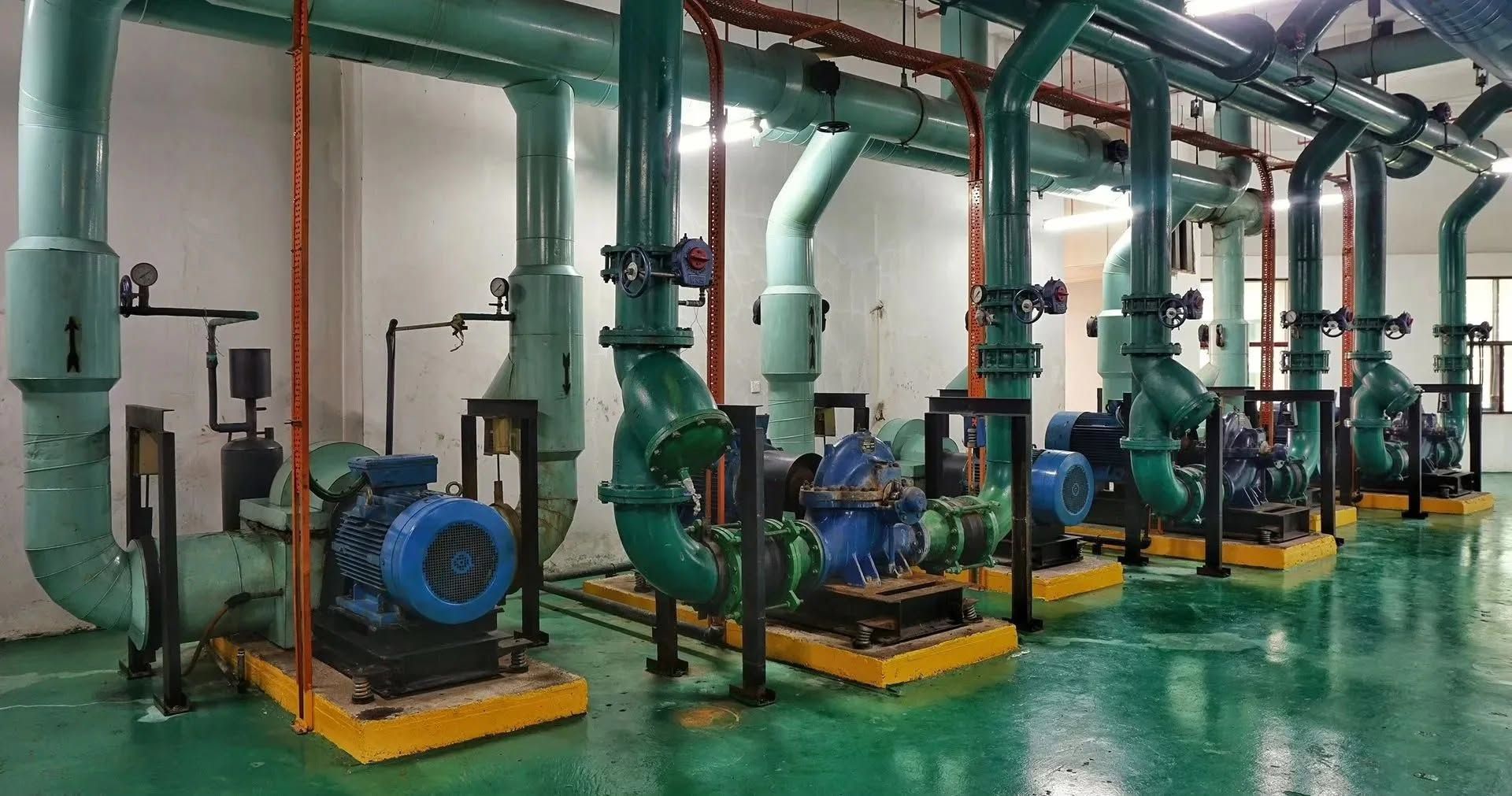
Reduced flow rate is one of the earliest and most measurable signs that something has changed within a pump system, and a decline in output that cannot be explained by changes in the process being served is one of the most reliable indicators that wear, blockage, or mechanical degradation has begun affecting the pump's performance capability. An industrial pump repair service that performs on-site pump inspections and pump troubleshooting can distinguish between the various causes of reduced flow — including impeller wear, cavitation damage, seal deterioration, and partial blockage of the inlet or outlet pathways — and identify which specific condition is responsible for the performance decline rather than relying on guesswork that may produce the wrong repair response. Monitoring flow rate against a documented baseline established when the system was last serviced to a known good condition gives maintenance teams the most actionable data for identifying when a decline has become significant enough to warrant professional evaluation.
Investigating Unusual Vibration or Noise During Operation
Unusual vibration or noise that was not present when the pump was operating normally is a physical indicator that the mechanical balance, the bearing condition, or the hydraulic performance of the unit has changed in a way that the system's normal operating parameters were not designed to accommodate on a sustained basis. An industrial pump repair service that specializes in pump inspections and VFD inspections and repairs understands how to distinguish between vibration patterns that indicate bearing failure, those that suggest impeller imbalance, and those that reflect cavitation — three distinct conditions that each require a different repair approach and a different assessment of urgency. Cavitation in particular is a destructive condition that damages impeller surfaces rapidly during continued operation, and the characteristic rattling noise it produces should be treated as an urgent signal to investigate and address the hydraulic conditions causing it rather than a normal operating sound that can be tolerated until the next scheduled maintenance interval.
Taking Elevated Operating Temperature Seriously
Elevated operating temperature that exceeds the normal range for the specific pump and application is a warning sign that should never be ignored, because the thermal conditions within an overheating pump accelerate seal degradation, bearing wear, and lubricant breakdown in ways that dramatically shorten the remaining service life of the affected components. An industrial pump repair service with steam trap survey capability and access to thermal diagnostic tools can evaluate the operating temperature profile of the pump system and identify whether the overheating is being caused by insufficient flow, seal failure, bearing damage, or an environmental condition producing heat accumulation above what the system was designed to manage. Addressing an elevated temperature condition promptly through targeted inspection and repair consistently costs far less than the bearing seizure, seal failure, or pump rebuild that occurs when a thermal warning sign is allowed to continue developing unchecked through multiple operating cycles.
Addressing Seal Leaks Before They Become Compliance Concerns
Seal leaks are among the most visible and most commonly underestimated early warning signs in any pump system, and the progressive nature of seal degradation means that a small, manageable leak observed at an early stage can become a significant environmental, safety, and compliance concern if it is not addressed through professional repair or replacement before the sealing surface has deteriorated beyond the point where a minor intervention would have been sufficient. An industrial pump repair service that handles pump rebuilds and pump field service can evaluate the condition of the mechanical seals throughout a system, identify the specific failure mode affecting each unit, and perform the seal repair or replacement that restores the sealing integrity before the leak volume and the associated contamination risk reach the level that triggers a formal response requirement. For municipal and industrial systems that handle wastewater or process chemicals, even a small seal leak represents a compliance exposure that makes prompt professional seal service one of the most defensible and most financially protective responses available to the facility's operations team.
Investigating Increased Power Consumption Without Increased Output
Increased power consumption that is not explained by a corresponding increase in the workload being demanded of the pump is a sign that something within the system is requiring the motor to work harder than it should to produce the expected output, and investigating this energy signature promptly can reveal developing mechanical resistance, worn wear rings, or hydraulic inefficiency before it progresses to the component failure that would produce a more disruptive operational event. An industrial pump repair service that offers VFD inspections and repairs alongside pump troubleshooting gives facilities the tools to evaluate both the pump's mechanical condition and the control system governing its operation, which together determine whether the elevated power draw is a pump issue, a drive issue, or a combination of both that requires coordinated intervention across the full system. Monitoring energy consumption against a documented baseline gives operations teams one of the most reliable and most continuously available indicators of developing pump system inefficiency without requiring the team to be physically present at the pump for continuous observation.
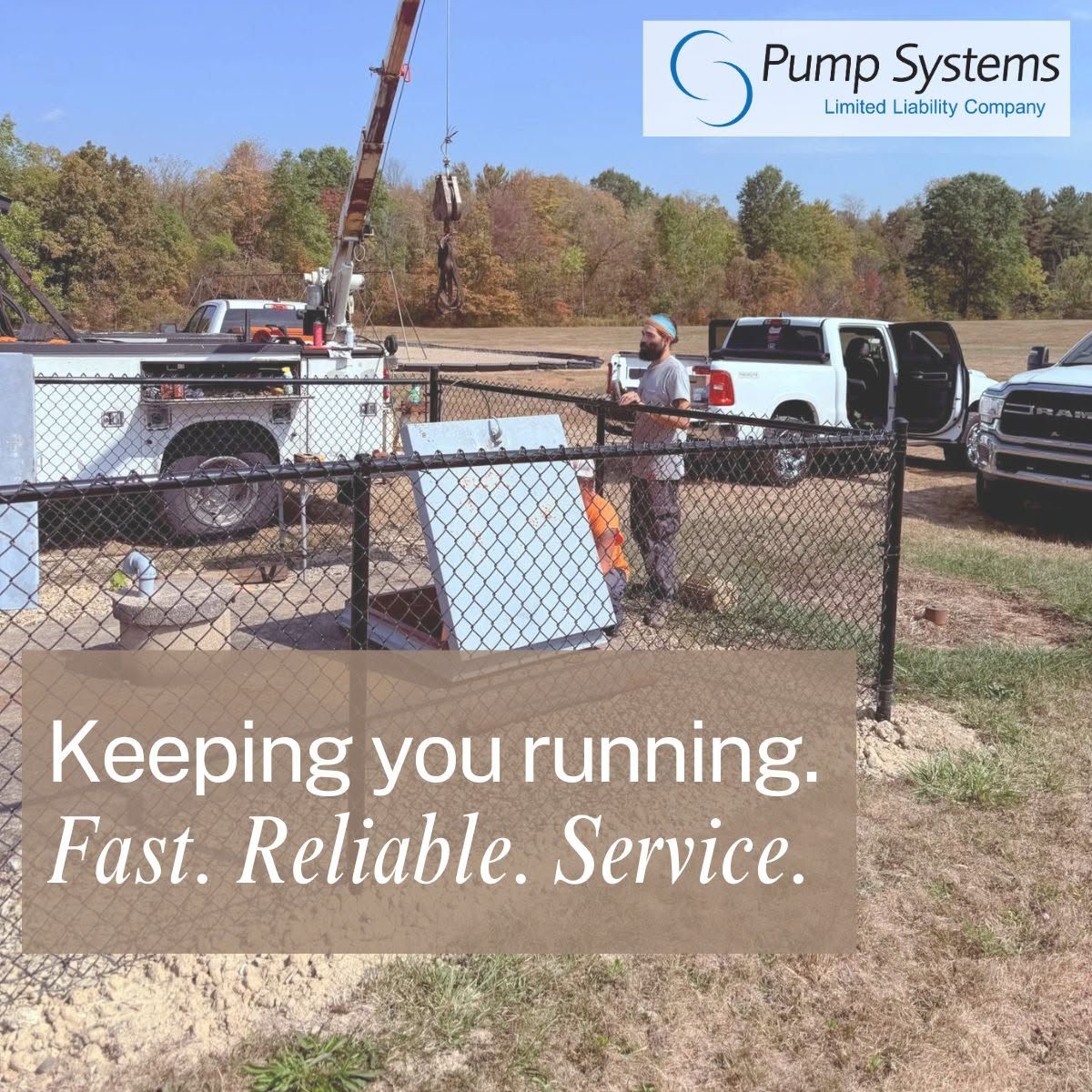
Recognizing early warning signs and responding to them with professional evaluation rather than continued operation is the practice that most effectively protects pump system assets, maintains regulatory compliance, and prevents the operational disruptions that unplanned failures consistently produce for Ohio's municipal and industrial facilities. Pump Systems LLC proudly serves all of Ohio from locations in Toledo, Medina, Groveport, and Ashland, bringing over 300 years of combined expertise to municipal pump services, commercial pump services, preventative maintenance programs, pump inspections and troubleshooting, pump rebuilds and lift station rehabilitation, and remote monitoring solutions, all backed by free estimates, a 90-day workmanship warranty, authorized warranty facility status, engineering and consulting services, and an industrial pump repair service commitment that keeps Ohio's most critical water and wastewater infrastructure running reliably every day. For more information, contact us today!