July 30, 2026
Every industrial, municipal, and commercial facility relies heavily on a functioning wastewater management system. When these complex systems run smoothly, they are largely invisible to the public and staff. However, when the critical equipment falters, it quickly becomes a top-tier emergency. The global reliance on these systems is massive and constantly expanding. In fact, according to Mordor Intelligence, water and wastewater led 2025 pump market revenue at 52.11%, with projected 5.85% annual growth.
With such a vast amount of capital invested in moving water and waste across the globe, protecting your specific equipment is not just an operational necessity; it is a critical financial priority. Unfortunately, many facility managers treat pump maintenance as a reactive task rather than a proactive strategy. Waiting for a system to break down completely before scheduling a wastewater pump repair is a dangerous game. Small, seemingly insignificant issues can rapidly snowball into catastrophic mechanical failures, costly operational downtime, and severe environmental hazards.
Explore five common problems that can drastically escalate if they are ignored, highlighting exactly why timely intervention is essential for your facility's safety and bottom line.
1. Minor Clogs Transforming into Complete System Blockages
One of the most frequent issues encountered in submersible and dry-pit applications is the accumulation of solid debris. Wastewater inherently carries rags, fibrous materials, flushable wipes, and other heavy particulates that can easily become entangled around the pump’s impeller or lodged tightly within the volute casing. Initially, a minor clog might only cause a slight reduction in flow rate or a marginal increase in operational vibration. Because the system generally continues to operate, these early warning signs are easily overlooked or dismissed as temporary anomalies by maintenance staff.
However, without prompt wastewater pump repair, this small internal accumulation acts as a net, catching more and more passing debris with every minute of operation. What begins as a partial obstruction rapidly transforms into a complete blockage. When a pump is deadheaded against a solid mass of waste, the fluid inside the casing heats up rapidly, leading to thermal expansion and potential casing fracture. Furthermore, the motor continues to draw excessive current as it struggles to turn the jammed impeller, which can quickly lead to an overloaded motor and blown electrical fuses. By the time the system completely stops, what could have been a simple, low-cost clean-out procedure has escalated into a major system overhaul requiring significant downtime.
2. Worn Mechanical Seals Causing Catastrophic Motor Flooding
Mechanical seals serve as the critical barrier between the harsh fluid being pumped and the internal electrical components of the motor. Over time, these seals naturally experience wear and tear due to constant mechanical friction, abrasive particles suspended in the wastewater, and extreme thermal fluctuations. In a well-maintained system, regular inspections will identify early seal wear before it compromises the motor's integrity. The first indication of a failing seal might be a very slow leak or trace moisture detected in the seal chamber—issues that are easily and affordably resolved with a standard wastewater pump repair service.
If left unattended, the structural integrity of the mechanical seal will eventually fail completely. When this happens, highly pressurized wastewater forcefully breaches the motor housing. Submersible motors rely entirely on a dry, secure environment for their electrical windings; the introduction of conductive wastewater causes immediate, massive electrical shorts, completely destroying the stator and rotor. Instead of replacing a relatively inexpensive mechanical seal and changing the barrier fluid, the facility is now faced with the exorbitant cost of a complete motor rewind or an entire pump replacement. The escalation from a routine maintenance task to a major capital expense occurs in the blink of an eye once the seal gives way.
3. Bearing Wear Leading to Severe Mechanical Damage
Bearings are meticulously designed to support the rotating shaft and ensure the smooth, friction-free operation of the impeller. Like all moving mechanical parts, bearings have a finite lifespan and will eventually degrade, especially under the heavy radial and thrust loads that are common in demanding wastewater applications. The earliest signs of bearing wear are usually audible or physical: an unusual whining, a deep grinding noise, or a noticeable increase in operational vibration. At this early stage, professional wastewater pump repair can safely swap out the deteriorating bearings, rebalance the assembly, and restore the pump to optimal condition with minimal financial disruption.
Ignoring these early noises allows the bearing to disintegrate further within the housing. As the bearings lose their structural integrity, the rapidly rotating shaft loses its precise central alignment. This severe misalignment causes the heavy impeller to wobble violently, scraping against the stationary wear rings and the interior of the volute casing. The violent friction not only destroys the impeller and wear rings but can also snap the shaft entirely due to advanced metal fatigue. The escalation here is dramatic: a localized issue with a single, affordable component spreads mechanically throughout the entire wet end of the pump, turning a straightforward fix into a complex and time-consuming reconstruction.
4. Decreased Operating Efficiency Resulting in Skyrocketing Energy Costs
Pumps are engineered to operate at a specific Best Efficiency Point (BEP). When internal components begin to wear down—whether it is due to increased clearances between the impeller and wear rings, internal fluid recirculation caused by minor blockages, or slight bearing drag—the pump deviates from this ideal operating zone. Initially, the pump may still meet the basic system demands, moving the required volume of fluid to keep the facility running. However, it requires significantly more electrical power to achieve the exact same output. Facility managers might not notice the mechanical degradation immediately on the floor, but the evidence will slowly appear on the monthly utility bills.
Without proactive wastewater pump repair, this drop in efficiency compounds over time. The system works harder, runs hotter, and continuously draws more amperage. Because wastewater pumps often run continuously or in heavy-duty cycles, even a ten percent drop in efficiency can result in thousands of dollars in wasted electricity over a single year. The escalation in this scenario is strictly financial. The money lost to exorbitant energy consumption often far exceeds the cost of the repair itself. Waiting for a complete mechanical failure means you are voluntarily paying a premium on electricity every single day the degraded pump is allowed to operate.
5. System Overflow Causing Environmental and Health Hazards
The most severe and public consequence of ignoring pump maintenance is a total system failure during a period of peak demand. Wastewater lift stations and treatment plants are designed with a very specific, limited holding capacity. When a pump operates at a diminished capacity due to internal wear, or fails completely due to ignored mechanical warnings, the incoming flow rapidly outpaces the outgoing discharge. This leads to rising sewage levels in the wet well, eventually triggering high-level alarms. If a secondary backup pump is also compromised or simply cannot handle the full load, the inevitable result is a system overflow. Calling for emergency wastewater pump repair at this late stage is often too late to prevent the spill.
A wastewater overflow is a catastrophic event for any facility. It releases raw, untreated sewage into the surrounding environment, contaminating local soil, groundwater, and nearby water bodies. The escalation shifts rapidly from a localized mechanical issue to a severe public health and environmental crisis. Regulatory agencies consistently levy massive fines for unauthorized discharges, and the facility must bear the astronomical costs of emergency environmental cleanup, sanitation, and remediation. The damage to a company’s or municipality's reputation can be permanent. Tragically, all of this can stem from simply ignoring a minor vibration, a small seal leak, or a partial clog weeks prior.
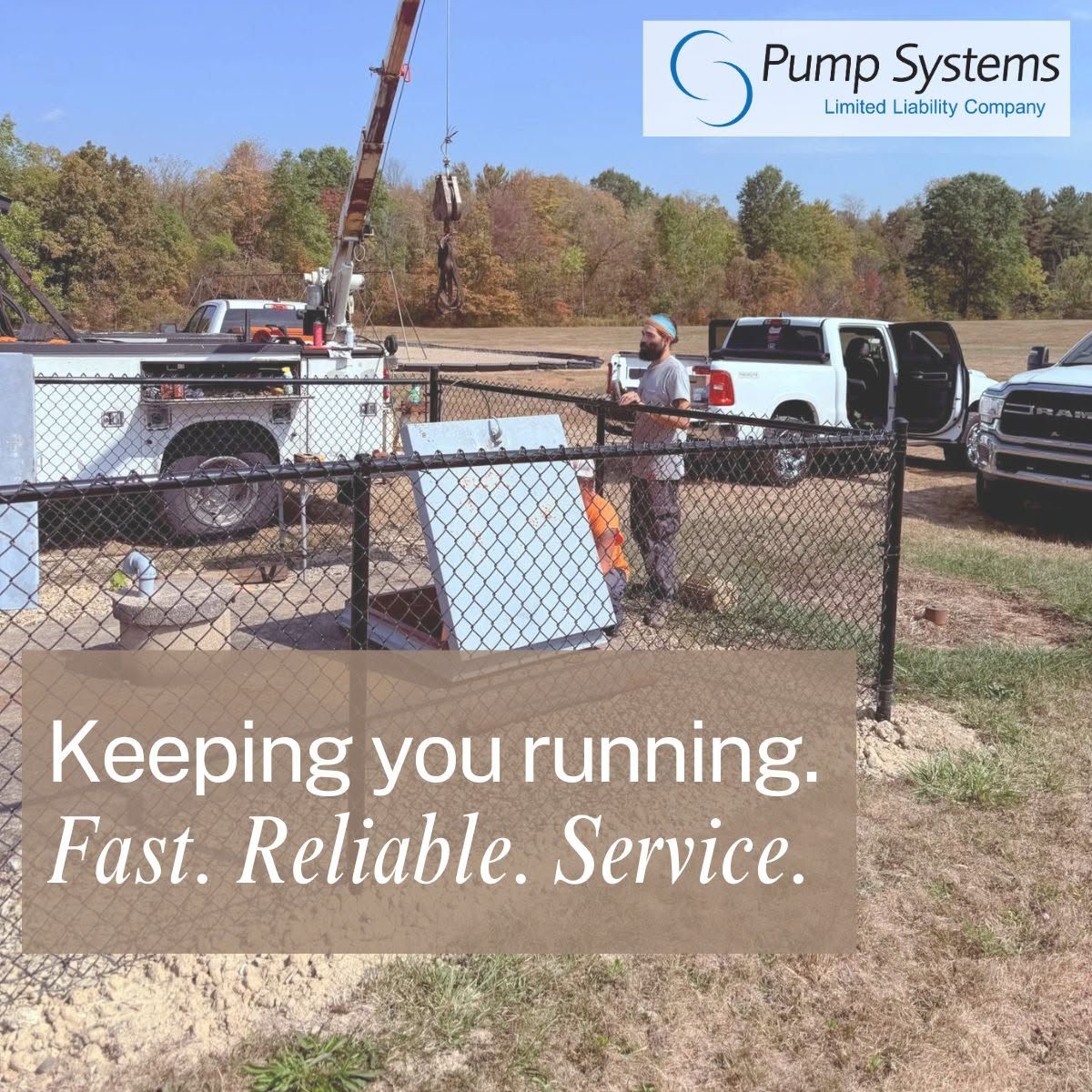
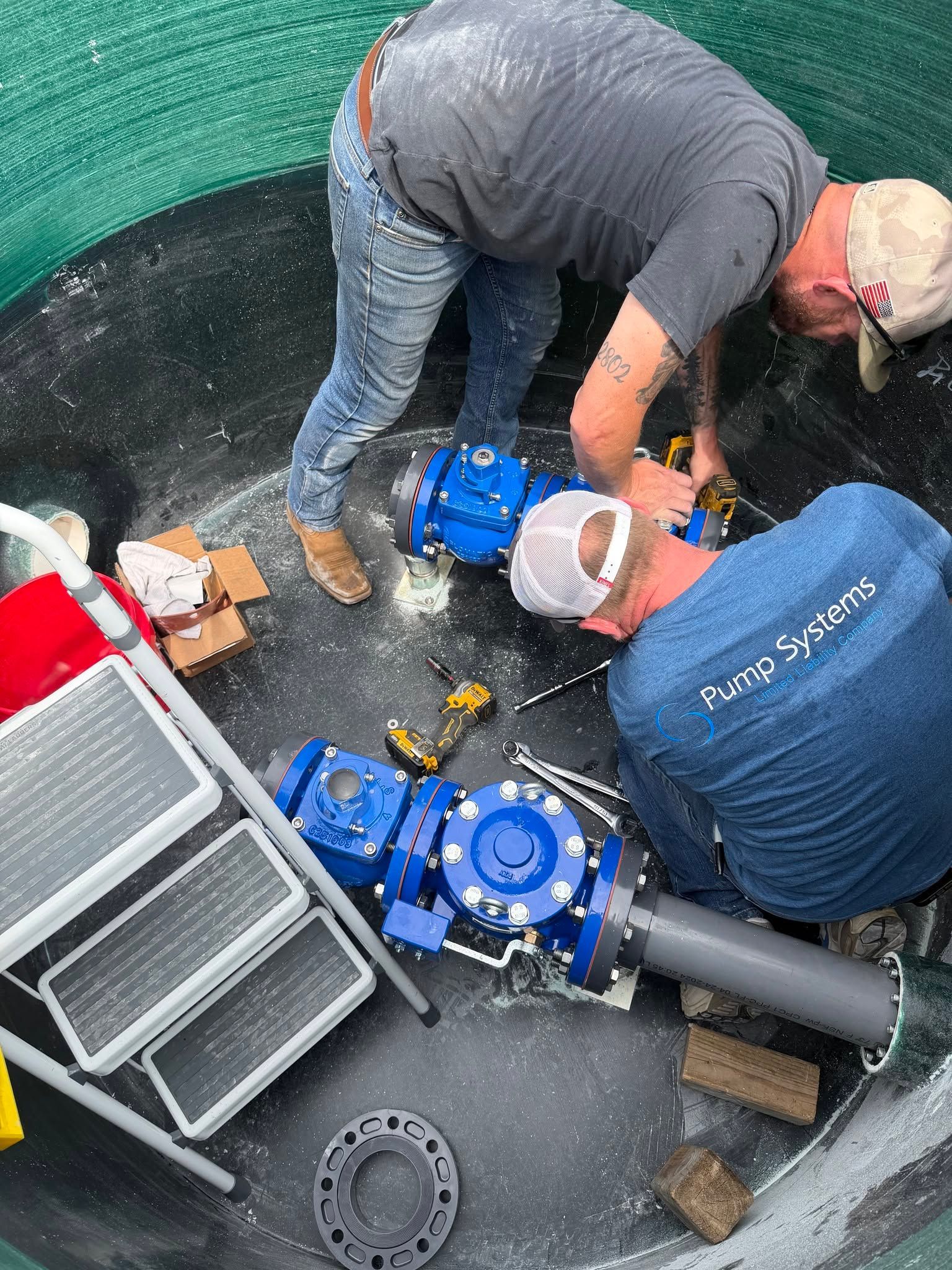
If you suspect your system is underperforming or displaying any early warning signs of failure, do not hesitate. Schedule a comprehensive inspection and wastewater pump repair with Pump Systems LLC today.