August 26, 2026
Wastewater management pumps play a critical role in contemporary sanitation infrastructure, helping move wastewater safely and efficiently from residential, commercial, and industrial sources to treatment facilities. Reliable pumping systems reduce the risk of backups, overflows, environmental contamination, and interruptions in treatment processes. As communities expand and infrastructure ages, properly selected municipal water wastewater equipment becomes increasingly important for maintaining dependable collection and treatment networks. Pumps must be matched to expected flow rates, solids content, system pressure, and operating conditions to provide consistent performance. Understanding the major pump types, system components, applications, challenges, and maintenance practices can help operators make informed decisions while supporting long-term infrastructure reliability.
Wastewater Pumps and Pump Types
Centrifugal pumps are among the most common types used in wastewater management because they can move large volumes of fluid efficiently. They use a rotating impeller to increase fluid velocity and convert that energy into pressure, pushing wastewater through the system. These pumps are frequently used in municipal sewage applications where continuous or high-volume flow is required. Different impeller configurations can also help centrifugal pumps accommodate sewage, sludge, and fluids containing suspended solids.
Positive displacement pumps operate differently by trapping a specific volume of liquid and forcing it through the system during each operating cycle. This design provides a consistent flow rate even when system pressure changes. These pumps are useful when handling viscous liquids, slurries, chemicals, or applications requiring accurate dosing. Their ability to provide controlled discharge makes them an important option within municipal water wastewater equipment used for specialized treatment processes.
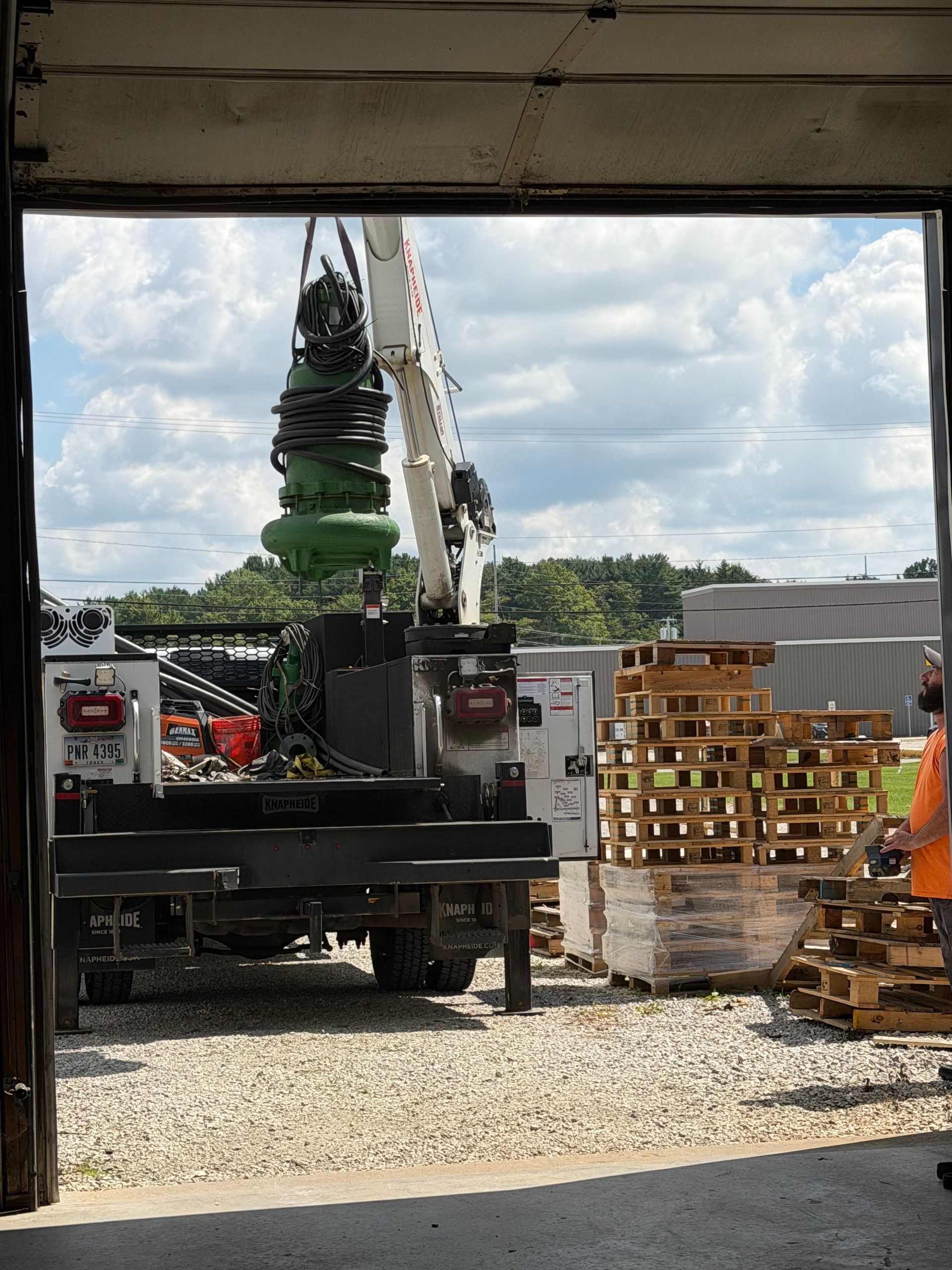
Submersible pumps are designed to operate while completely submerged in wastewater. They are commonly installed in wet wells, lift stations, sewage collection systems, and stormwater facilities. Because the pump and motor are located beneath the fluid surface, submersible systems require less above-ground space and typically produce less operating noise. Their configuration also reduces certain suction-related problems, including cavitation, while allowing them to handle demanding environments.
Grinder pumps are specifically designed for wastewater containing solids. Before pumping the wastewater, an integrated cutting mechanism reduces larger solids into smaller particles that can travel through narrow piping. Grinder pumps are particularly useful in pressure sewer systems, residential applications, and locations where gravity-based sewage transport is impractical. By reducing the size of solid materials, these pumps can help decrease the likelihood of blockages throughout downstream piping.
Diaphragm pumps use a flexible membrane that moves back and forth to draw fluid into a chamber and discharge it through the system. Because wastewater can remain separated from many mechanical components, these pumps are well suited for handling corrosive substances, chemicals, sludge, and abrasive fluids. They can also provide strong sealing performance, making them valuable where leakage must be carefully controlled.
Pumping Systems and System Components
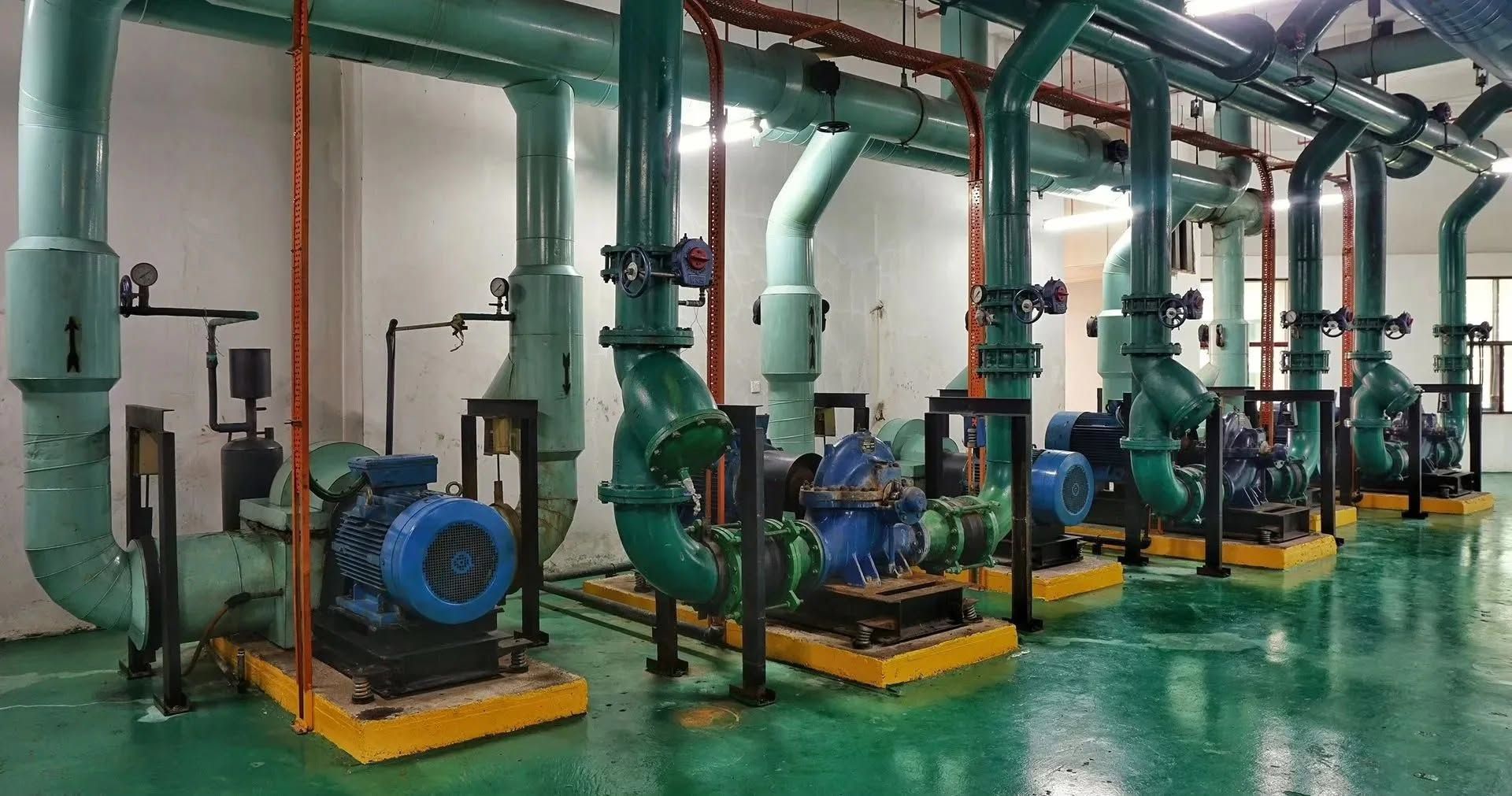
The motor and drive mechanism supply the energy needed to operate a wastewater pump. Motors must be appropriately sized for the expected hydraulic load, duty cycle, operating environment, and desired efficiency. Variable frequency drives can adjust motor speed according to changing flow demands, allowing operators to avoid unnecessary energy consumption during periods of lower demand. Modern municipal water wastewater equipment may also incorporate motor monitoring technology that provides information about temperature, current draw, vibration, and operating conditions.
Impellers and rotors perform much of the physical work involved in moving wastewater. Their shape, size, and material can influence flow capacity, energy efficiency, and resistance to clogging. Components that regularly encounter abrasive or corrosive wastewater may be manufactured from stainless steel, hardened alloys, or other durable materials. Selecting the proper impeller design is especially important when wastewater contains solids, fibers, grit, or other debris.
Casings and seals protect internal pump components and help contain the fluid being transported. Pump casings must withstand pressure while maintaining appropriate flow characteristics through the equipment. Seals prevent wastewater from escaping around rotating shafts and other moving components. Mechanical seals, specialized elastomers, and corrosion-resistant materials can reduce leakage risks and help extend equipment life when pumps operate in aggressive environments.
Control systems and sensors give operators greater visibility into pump performance. Sensors can measure flow rate, pressure, liquid level, temperature, vibration, and other operating conditions. Controllers use this information to start or stop pumps, adjust operating speeds, trigger alarms, or alternate between multiple pumps. Remote monitoring capabilities can further improve response times when abnormal operating conditions develop.
Piping and valves complete the pumping system by directing and controlling wastewater flow. Pipe diameter, layout, elevation changes, and material selection can all affect energy requirements and system performance. Valves allow operators to isolate equipment, control discharge, prevent reverse flow, and safely perform maintenance. Carefully designed piping can also reduce pressure surges, excessive friction, and unnecessary energy losses.
Municipal Systems and Industrial Applications
Municipal sewage systems depend on pumps to transport wastewater from collection networks to treatment plants, particularly where gravity alone cannot maintain adequate flow. Lift stations may move sewage across long distances or elevate it so that gravity flow can resume. Because these installations frequently operate around the clock, reliability is essential. Municipal water wastewater equipment must therefore be selected with expected peak flows, solids content, redundancy, and accessibility for maintenance in mind.
Industrial facilities also depend on pumps to transport wastewater generated by manufacturing, processing, cleaning, and other operations. Industrial effluent can contain chemicals, suspended solids, oils, abrasive particles, or corrosive compounds that require specialized pump materials and designs. Selecting equipment compatible with the waste stream helps reduce premature deterioration and supports regulatory compliance.
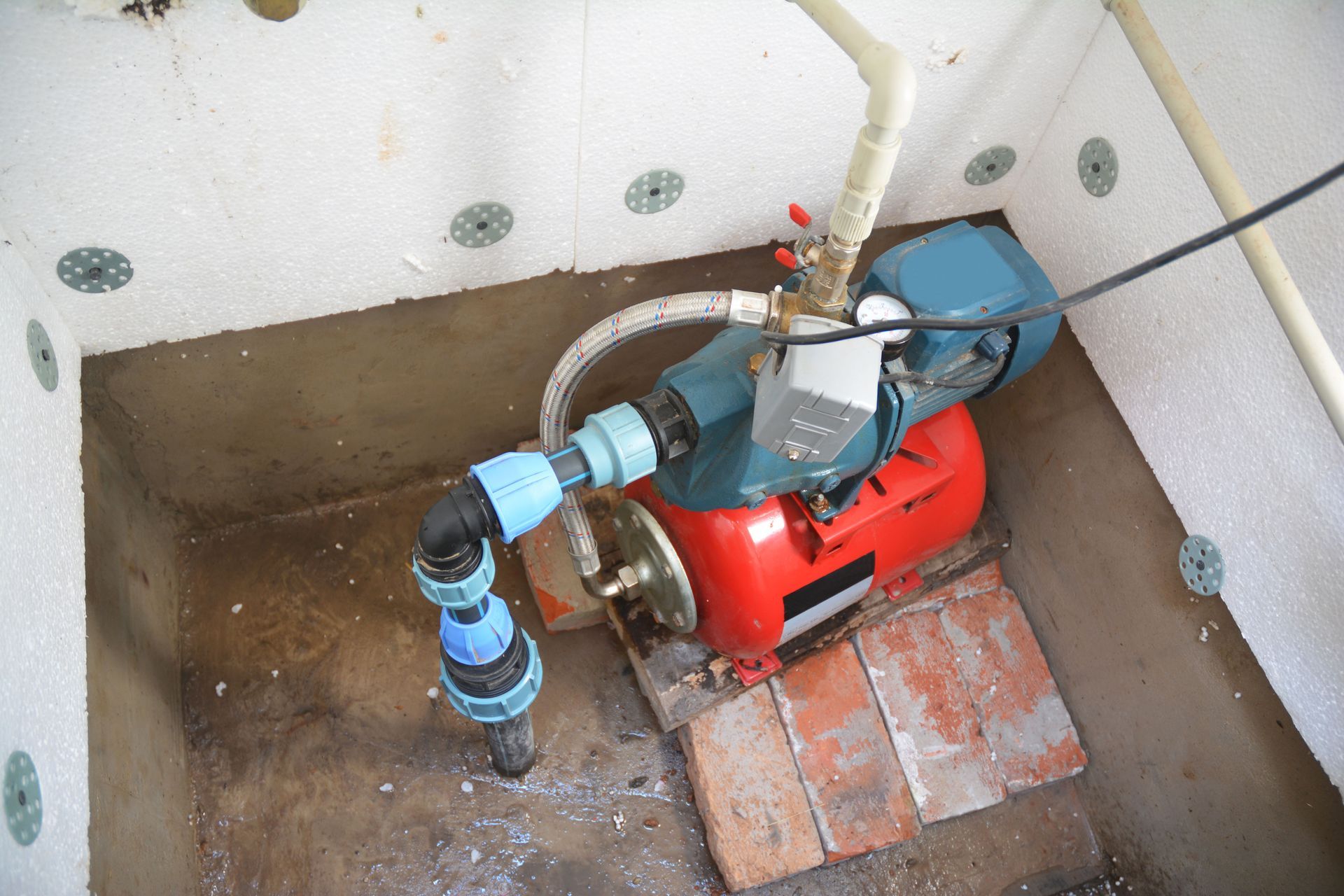
Residential wastewater applications often involve grinder pumps, sewage ejector pumps, or smaller lift systems. These installations may be necessary when a property is located below the elevation of a municipal sewer or where conventional gravity drainage is unavailable. Correct sizing is especially important because an undersized system may run excessively, while an oversized pump can create unnecessary costs and operational complications.
Stormwater Management and Agricultural Effluents
Stormwater systems use pumps to manage runoff during periods of heavy rainfall and reduce the likelihood of flooding. Submersible and high-capacity centrifugal pumps are commonly used because they can move significant volumes of water. Automated controls may activate pumps as water levels rise, while sensors provide operators with information about current system conditions. Reliable municipal water wastewater equipment can be particularly valuable in low-lying communities where stormwater must be moved quickly during severe weather.
Agricultural wastewater creates different operating challenges because it can contain sediment, organic matter, nutrients, manure, pesticides, and other materials. Pumps used in agricultural applications must tolerate changing fluid characteristics without experiencing frequent blockages or excessive wear. Appropriate equipment selection helps farms manage wastewater effectively while reducing the potential for runoff into nearby waterways.
Clogging Prevention and Equipment Wear
Clogging remains one of the most common operational problems affecting wastewater pumps. Wipes, plastics, rags, grease, fibrous materials, and other debris can become wrapped around rotating components or block narrow passages. Pumps with non-clog impellers, cutting systems, or grinder mechanisms can reduce these risks. Routine inspection and cleaning are still necessary because even specialized designs can eventually accumulate debris.
Abrasive materials such as sand, grit, and small stones can gradually wear pump casings, impellers, seals, and piping. Severe abrasion may reduce hydraulic efficiency and eventually cause component failure. Operators can address these conditions through durable material selection, protective coatings, grit removal systems, and scheduled inspections. Monitoring changes in pump performance can also provide early evidence of excessive wear.
Long-term wastewater reliability depends on combining appropriate pump selection with careful system design, monitoring, preventive maintenance, and emergency planning. Pumps must operate as part of an integrated network that includes motors, controls, piping, valves, sensors, and treatment infrastructure. By evaluating complete system performance rather than individual components alone, municipalities and facility operators can improve efficiency, reduce unexpected failures, and support dependable wastewater management as community and industrial demands continue to evolve. Contact our team at Pump Systems LLC today and learn more about our wastewater equipment services.