August 25, 2026
Industrial and municipal operations rely on fluid movement equipment to maintain daily production, water management, and processing tasks. Selecting, operating, and maintaining this equipment requires understanding the mechanical dynamics that dictate output and system health. Operating under improper conditions causes efficiency to drop, energy usage to spike, and component wear to accelerate. Understanding physical variables that influence fluid movement is essential for operators striving for dependable performance in processing applications.
Widespread adoption highlights the critical role this technology plays across industrial infrastructure. According to market research published by Mordor Intelligence, centrifugal pumps accounted for 56.97% of total pump market revenue in 2025 and are expected to grow at a 6.00% annual rate through 2031. Evaluating key operating conditions is vital for preventing equipment breakdowns and avoiding costly downtime. This guide examines how the operational dynamics of a centrifugal pump dictate system reliability, detailing practical steps to protect equipment integrity, optimize fluid movement, and extend service lifespans across processing environments.
1. Prevent Internal Cavitation
Cavitation occurs when liquid pressure drops below its vapor pressure inside the housing, forming vapor bubbles that collapse violently against internal components. This collapse generates shockwaves capable of pitting metal surfaces, eroding impellers, damaging seals, and weakening structural integrity over time. Triggers for this destructive condition include excessive shaft rotation speeds, elevated fluid temperatures, clogged suction strainers, or restricted intake lines that create pressure drops. Beyond physical destruction, cavitation reduces fluid flow in a centrifugal pump, increases energy consumption, and creates vibration that rattles surrounding pipe networks.
Early identification of cavitation is essential for preventing breakdown and preserving operational continuity. Field technicians rely on acoustic measurements and vibration inspection tools to isolate cracking sounds and erratic oscillations caused by imploding vapor bubbles. Resolving these pressure imbalances requires verifying that intake lines remain unobstructed, adjusting operating parameters, or performing field repairs. Proper equipment sizing, intake inspections, and professional pump rebuilds ensure internal pressure remains above the liquid vapor threshold, safeguarding components against premature mechanical degradation.
2. Control Fluid Flow Rates
Flow rate represents the volume of fluid moved through a system during a specified period, serving as a key metric for operational success. Every industrial unit operates along a precise performance curve where fluid velocity, pressure, and energy consumption remain balanced. Pumping below capacity creates internal recirculation, thermal buildup, and shaft deflection, whereas pushing fluid far beyond capacity leads to motor overload and rapid wear. Maintaining consistent flow rates within designated parameters prevents mechanical stress, preserves seals, and protects drive motors from chronic overworking.
Multiple factors dictate fluid movement, including liquid viscosity, system layout friction, piping diameter, and fluid temperature. Installing mechanical flow meters and inline pressure gauges allows operators to monitor fluid movement continuously and detect performance drops before severe damage occurs. Implementing variable frequency drives enables smooth speed adjustments to match process demands, eliminating energy losses from throttling valves. Regular line inspections, pipe cleaning, and routine VFD testing optimize flow velocities in a centrifugal pump and maintain steady output across complex piping systems.
3. Maximize Overall Pump Efficiency
Overall efficiency reflects how effectively an electric motor converts electrical energy into mechanical fluid head, directly affecting operating expenditures. Mechanical losses from bearing friction, hydraulic friction within channels, and fluid recirculation reduce total energy conversion. Manufacturers map these operational characteristics on efficiency curves, pinpointing the best efficiency point where the unit delivers maximum work with minimal energy consumption. Operating far from this optimal design point increases power consumption, generates excess heat, and subjects shafts and bearings to mechanical fatigue.
Maintaining peak operating efficiency requires an active maintenance program focused on minimizing friction and fluid resistance. Over time, wear rings expand, surface roughness increases, and mechanical seals degrade, slowly draining operational efficiency. Scheduled mechanical inspections, shaft alignments, bearing lubrication, and component reconditioning restore tight internal tolerances and smooth flow paths. Partnering with service technicians for routine VFD inspections, preventative maintenance, and overhaul services ensures every centrifugal pump operates at peak efficiency throughout its lifespan.
4. Balance Net Positive Suction Head
Net positive suction head represents the absolute pressure available at the intake port of a centrifugal pump relative to the vapor pressure of the liquid being pumped. Achieving balance requires keeping available suction head higher than the required suction head specified by the manufacturer. Calculating available suction head involves measuring static fluid head, atmospheric pressure, line friction losses, and liquid vapor pressure. If available pressure drops below required levels, fluid flashes into vapor before entering the impeller, initiating cavitation, flow instability, and performance loss.
Resolving suction head problems requires modifying physical intake configurations or altering operating parameters. Raising supply tank levels, shortening intake line lengths, increasing suction pipe diameters, and eliminating unnecessary elbows reduce intake line friction losses. Selecting low-head equipment configurations or installing booster units can compensate for challenging suction conditions. Engineering evaluations during system layout and routine intake line maintenance ensure proper pressure balance, protecting equipment from suction starvation and fluid vaporization.
5. Select Appropriate Impeller Designs
Impeller geometry serves as the core driver of fluid motion, directly dictating discharge pressure, flow volume, and handling capabilities. Closed impellers move clean liquids with high hydraulic efficiency, semi-open impellers handle light solids, and open impellers suit heavy slurries or wastewater applications. Selecting construction materials like cast iron, stainless steel, or corrosion-resistant alloys depends on fluid abrasiveness and operating temperature. Installing an incorrectly configured impeller leads to rapid surface erosion, chronic clogging, and severe performance degradation.
Routine physical inspections are critical for identifying impeller vane wear, surface pitting, corrosion, and rotational imbalance before major failure occurs. Computer modeling techniques allow engineers to design refined vane angles and smooth fluid passages that boost hydraulic performance. When impellers show material loss or physical damage, timely replacement or precision rebalancing restores proper hydraulic balance and prevents destructive shaft vibration. Professional maintenance technicians inspect internal components, recondition worn surfaces, and install precision replacement impellers to preserve centrifugal pump reliability.
6. Optimize Total System Configuration
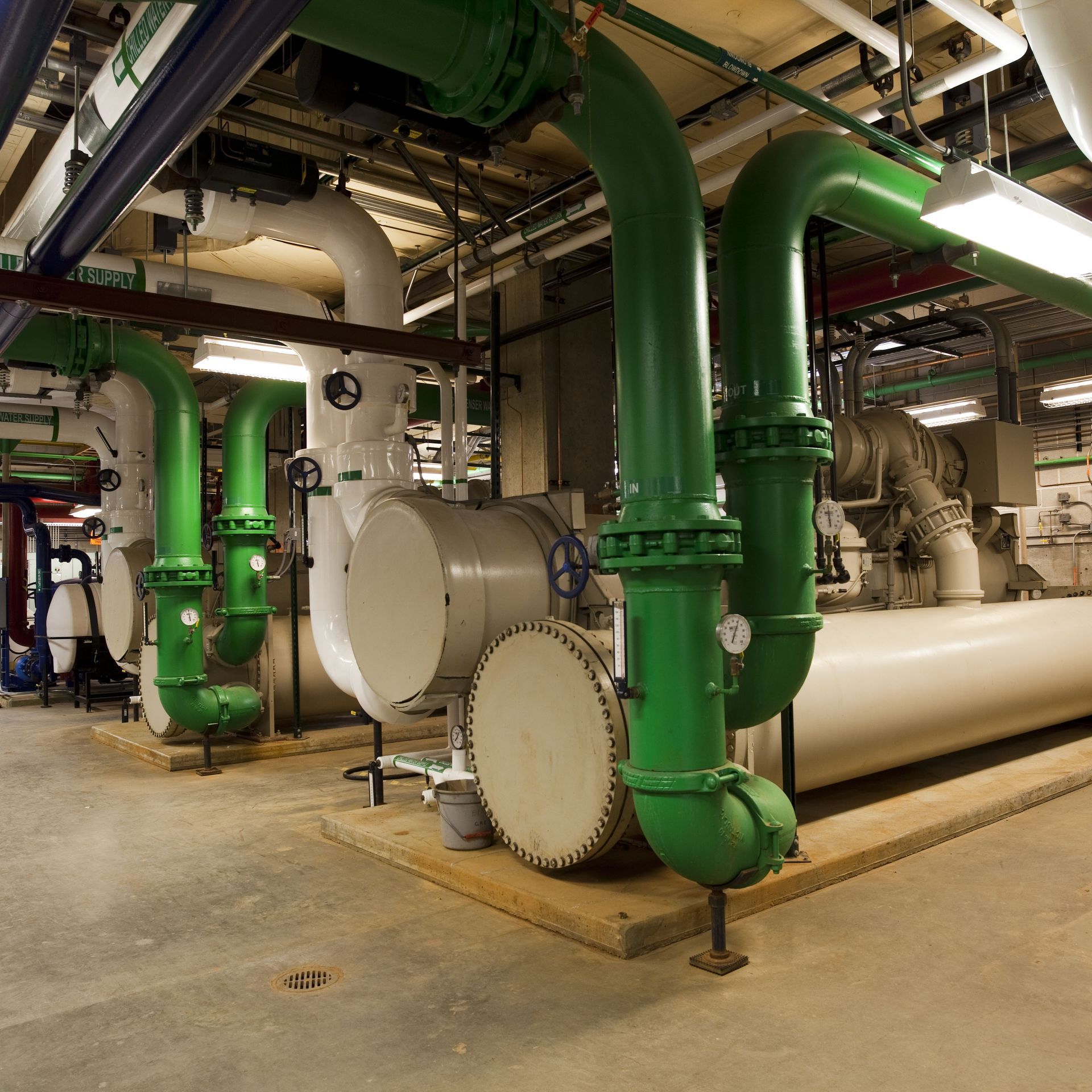
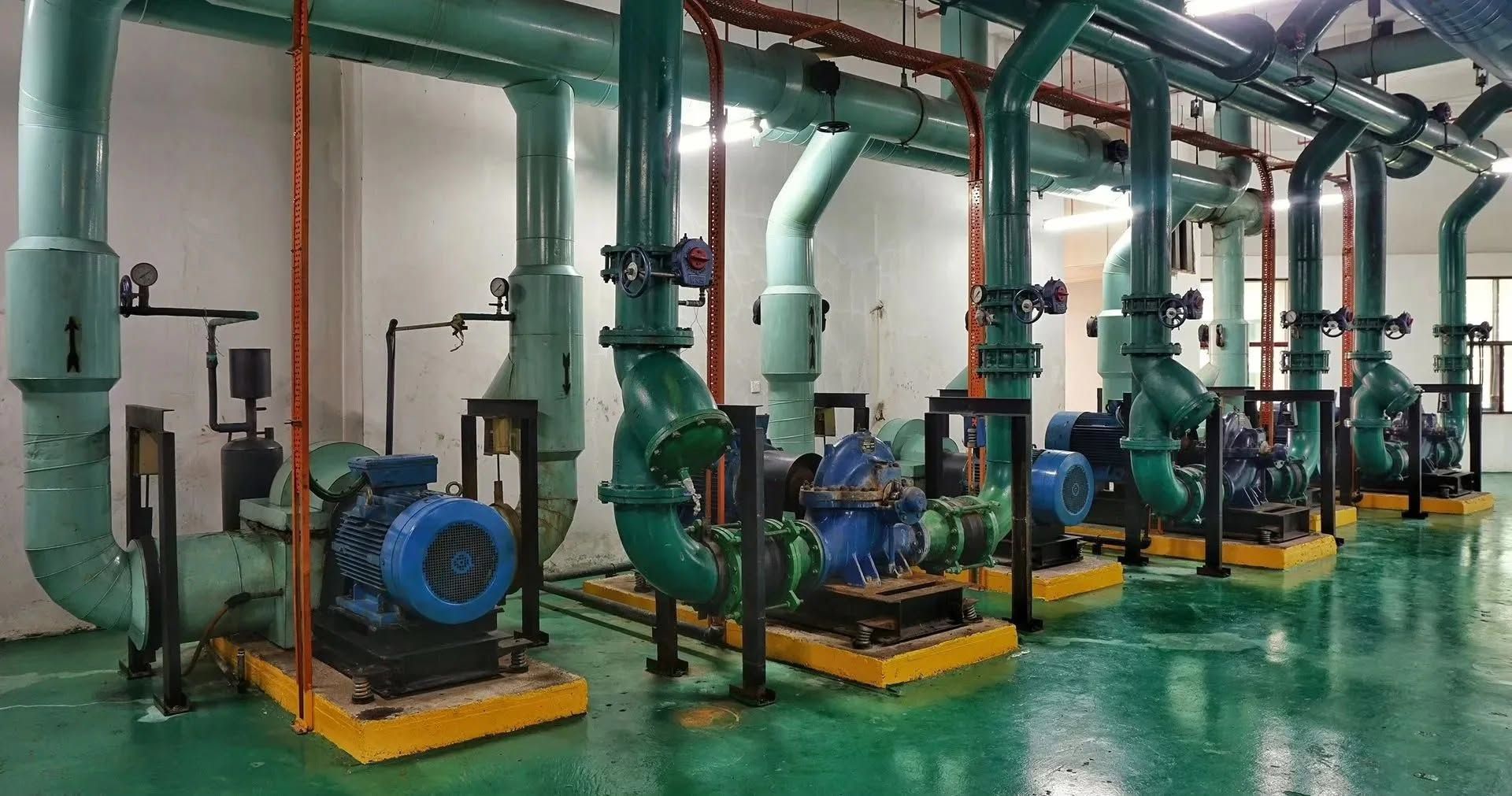
A complete pumping configuration relies on a synchronized network of piping, isolation valves, check valves, drive motors, and supports. Improperly sized piping or sudden diameter reductions create friction losses, turbulent fluid flow, and pressure drops across the system. Sharp pipe elbows placed close to intake nozzles cause uneven fluid distribution across impeller faces, leading to axial instability and bearing failure. Installing high-quality check valves and isolation valves allows operators to manage fluid direction safely and perform line maintenance without draining entire piping networks.
Environmental factors like ambient temperature extremes, high humidity, outdoor exposure, and corrosive conditions influence system longevity and reliability. Protecting pipe networks, valve vaults, and lift stations from environmental degradation requires robust enclosures, high-grade protective coatings, and routine structural rehabilitation. Comprehensive field inspections, lift station rehabilitation, and system testing ensure mechanical components work harmoniously under varying operational loads. Integrated system configurations eliminate chronic operating bottlenecks and extend overall centrifugal pump service life significantly.
Achieving reliable, energy-efficient fluid movement requires continuous attention to internal hydraulics, pressure dynamics, and mechanical configurations. By controlling cavitation, maintaining target flow rates, maximizing efficiency, balancing suction head, selecting proper impellers, and optimizing system architecture, operators protect critical infrastructure from unexpected breakdowns. Proactive care and regular system evaluations prevent minor operational deviations in a centrifugal pump from escalating into costly equipment failures or extended facility downtime.
Partnering with skilled industry specialists ensures every component within your processing facility operates at peak reliability and efficiency. From field troubleshooting and preventative maintenance programs to system redesigns and equipment rebuilds, expert support keeps fluid handling systems running smoothly. To optimize your equipment performance and protect your operations from unnecessary downtime, contact our experienced team at Pump Systems LLC today.